
We meet science lead for the Sussex Kelp Partnership Chris Yesson
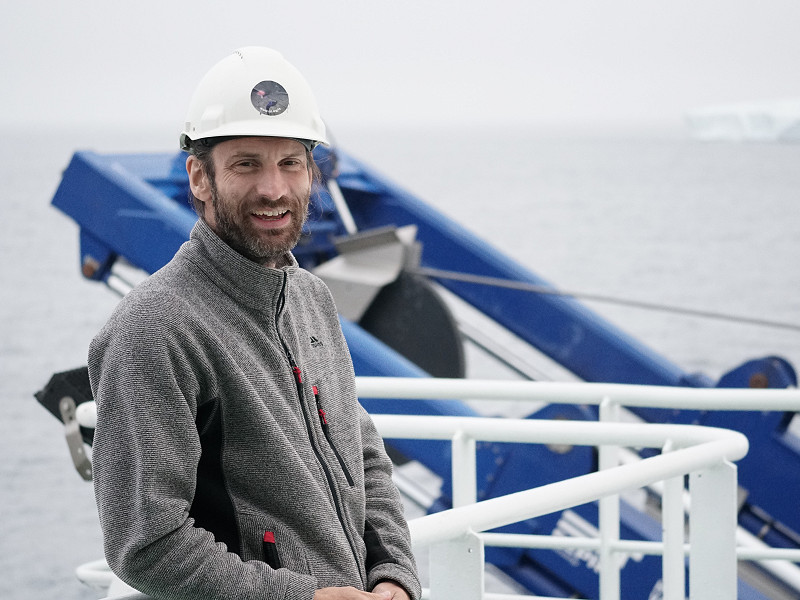
Can you give us a potted history of how you got into marine work?
By accident. I was a management consultant sometimes working 48 hours straight. I gave up and retrained in biology, doing a PhD in terrestrial botany (carnivorous plants). There are transferable skills – in both cases you risk-assess a lot of data, in the case of biology it’s about the risk of species extinction rather than businesses going bust. I fell into a job at London Zoo 13 years ago where I applied what I’d learnt to the marine realm. I mostly worked on corals, but when I saw an opportunity to work with kelp, it was a chance to come full circle back to (almost) plants.
What’s it like working for the Zoological Society of London?
It’s amazing to be at a place dedicated to how we can turn science into something beyond the ivory tower of academia and do positive work for conservation. Also it’s a great venue. Lots of people want to visit you to see the animals. For example, our new Director General has just given his introductory speech to staff in front of the penguin enclosure and everyone was watching what the penguins leaping in and out of the water behind him.
Tell us how you came to be science lead for the Sussex kelp partnership?
A few years ago a then science officer at Sussex IFCA invited me to help on some camera surveys of the seabed, assessing the habitats we can see in the area, and my involvement it grew from there. I felt fortunate to be working with such a great team of people including enthused and skilled local researchers. At ZSL lots of my research has taken place in Greenland, so I jumped at the opportunity to be part of something closer to home, and the pandemic made me thankful for that choice.
You specialise in genetics I understand. Can you tell us a bit more about this?
One of my specialisms is population genetics of habitat forming marine organisms, such as corals and seaweeds. We can use genetics to tell us about how habitats are related and connected to each other. From a restoration perspective it is valuable to know where are the potential sources of population recovery.
It’s a challenge to get a picture of how things are in the marine environment, there are many practical limitations. For example, in Greenland I've been taking pictures of the seabed every year for a decade, but that has barely shown me a tiny fraction of the seabed, as marine researchers we have to accept that we can't directly observed the vast majority of our area of study. Furthermore, we can't easily see or track the different life stages of seaweeds, but we can use genetic analyses to understand how different kelp patches are related and this helps us understand these habitats a bit better.
When did you start diving?
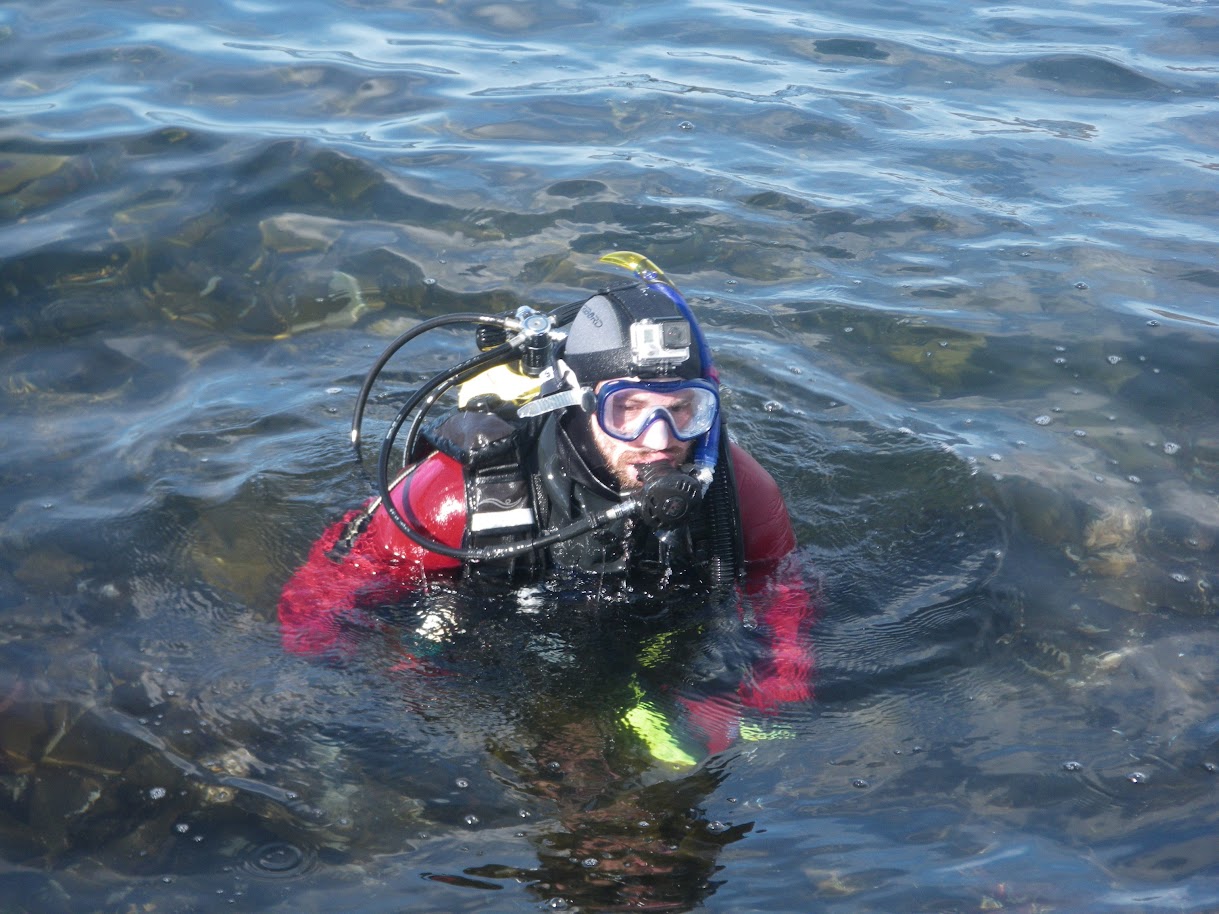
For a marine biologist I'm quite late to diving as most of my work is boat-based. I do lots of deep-sea work where diving is not possible. But having said that, it's great to get in water and directly observe what I normally only see on a screen. You get a greater sense of connection by physically experienced the habitats and that is any reason why its great working in Sussex. I tip my hat to colleagues Ray Ward and Mika Peck who have my back when we dive. It can be challenging, especially in Sussex where there are such strong tidal swells and a narrow window to dive before being washed away. It gives you a greater appreciation of the hardiness of the animals living in this environment. It's a dangerous pursuit that needs a lot of training and experience to do safely. We've been lucky to have so many people willing to do dives for us from a team of navy divers to the Sussex Wildlife Trust's Seasearch volunteer divers.
What have you been discovering about kelp since the trawler ban?
I guess the biggest thing is the scope and scale of the loss and just what a big and long-running job we have to see seabed recovery happen. We need to maintain interest, enthusiasm and funding for the long haul.
What inspires you most about your work?
The opportunity to make a difference and secure a long term changes to the health of marine habitats. Under the water is (understandably) a little out of sight/out of mind with many people, so really value every opportunity we have to showcase our amazing marine life.
If you were allowed to create one law – what would it be?
I'm not sure there are any easy wins. While it can be frustrating at times to make changes happen, the delays are often about due process and finding the right balance between peoples livelihoods and conservation. I think its important to give everyone connected with the marine environment an opportunity to contribute.
More information about the Kelp Partnership here