
We meet Chris Corrigan - Interim CEO

Give us a potted version of your life up to now…
I'm from Burnley in Lancashire from a family who weren't into nature. I had my first thrilling wildlife encounter when I accidentally caught a White-clawed Crayfish in my net while fishing in the River Wharfe near Bolton Abbey. I didn't know such a thing existed and was blown away. I only thought such creatures lived in the sea! I joined a local newspaper Nature Club run by a great guy who organised trips for local kids. All of this sparked my interest in nature and has been a driving passion ever since.
I always said I'd never work in an office, never live in the south-east of England and never teach. Not quite how my life turned out!
I went to university at Loughborough, then studied countryside management in Bangor. I spent two years in rural Zimbabwe, teaching science for VSO, where I met my now-wife. When I returned, I became a summer warden at the seabird colony at Hermaness, Shetland, the northern most headland of the island of Unst (and the UK). Then got a job in Shoreham for the RSPB, and was with them for 30 years, becoming Director for England. After that a spell as a Policy Officer at Butterfly Conservation, before becoming Acting CEO of BirdWatch Ireland.
How are you finding your role as Interim CEO of Sussex Wildlife Trust?
Absolutely fantastic. Every day has been really good. I'm working with such a dedicated and committed group of people who want to make a difference. It is an absolute privilege to be leading such a talented and like-minded team of staff and volunteers.
What’s your favourite spot, anywhere?
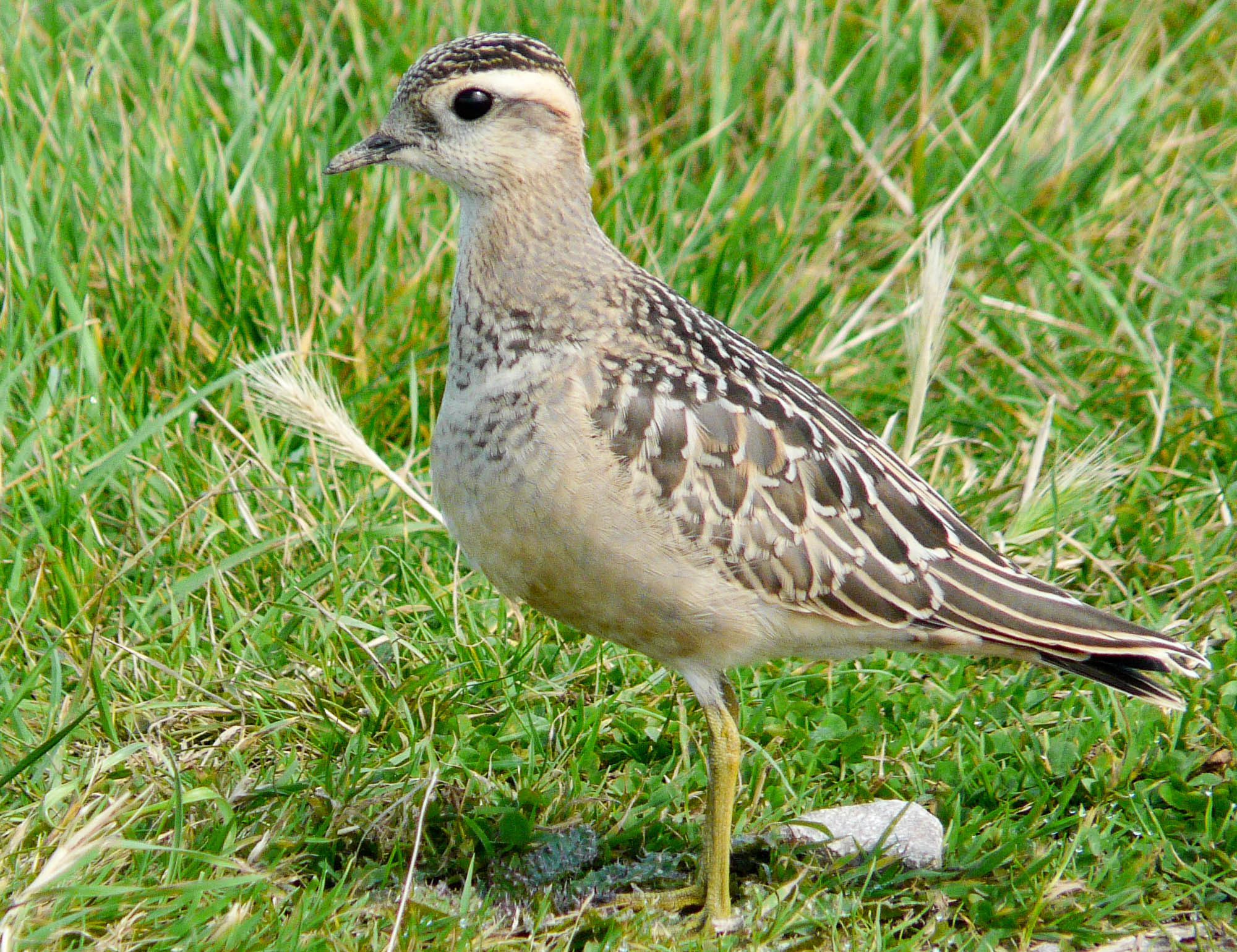
Pendle Hill in Lancashire. Famous for witches! Classic uplands habitats and if you were lucky, migrating Dotterel in spring.
And in Sussex?
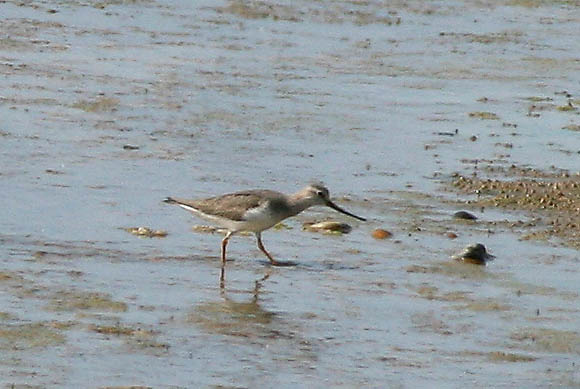
Quite urban, but the Adur Estuary because it's on my doorstep, local and accessible. You get fantastic birds, some really rare (I once found a Terek Sandpiper when out on an evening stroll).
Do you have a favourite species?
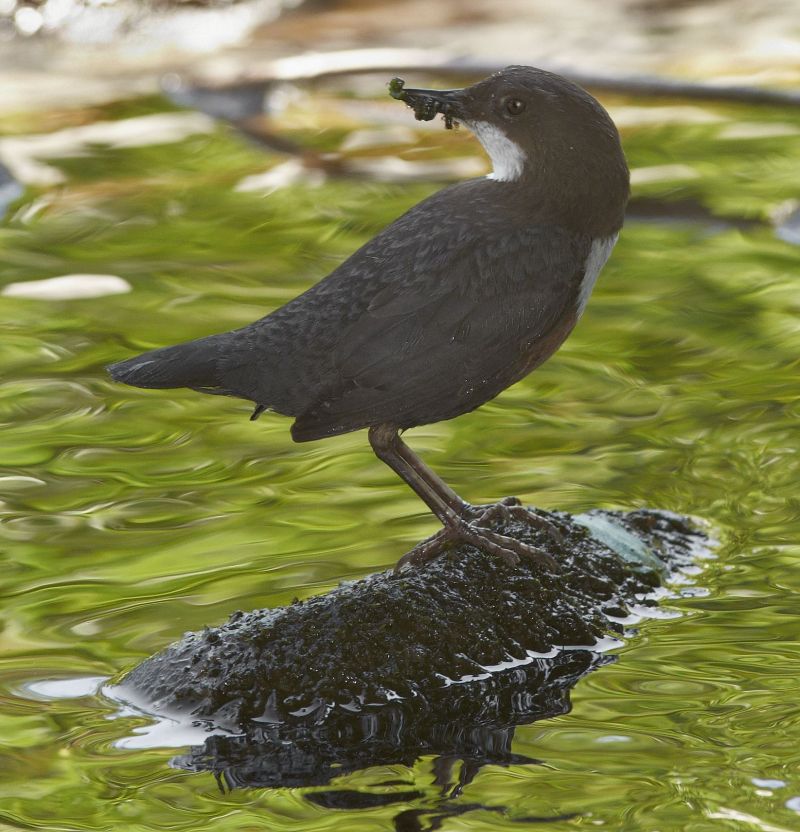
Dipper - a bird that reminds me of the tumbling upland rivers and streams of my early birdwatching days.
How do you relax?
I go walking and I watch wildlife.
What do you think are the key issues in conservation right now?
Stopping biodiversity decline and the climate crisis. Less obvious, but equally important and challenging - to connect more people with nature. If people don’t understand or know about nature, why should they protect it?
Can you tell us something about yourself that people might not know?
When I lived in Zimbabwe, I lived without running water or electricity for two years, which was a challenge, in terms of living and trying to teach science.
I discovered that I rather like problem-solving and projects and jobs where there is stuff that needs sorting out.