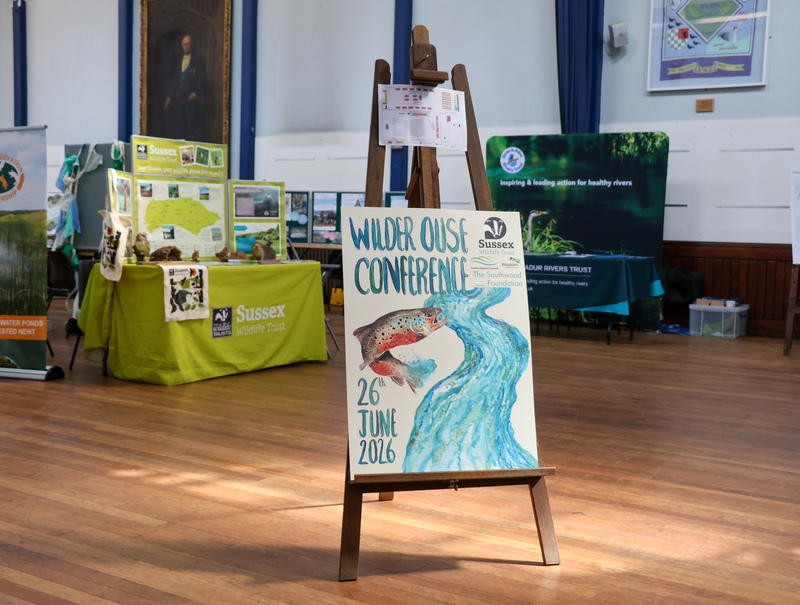
We are the river, the river is us: joining up action at the Wilder Ouse Conference
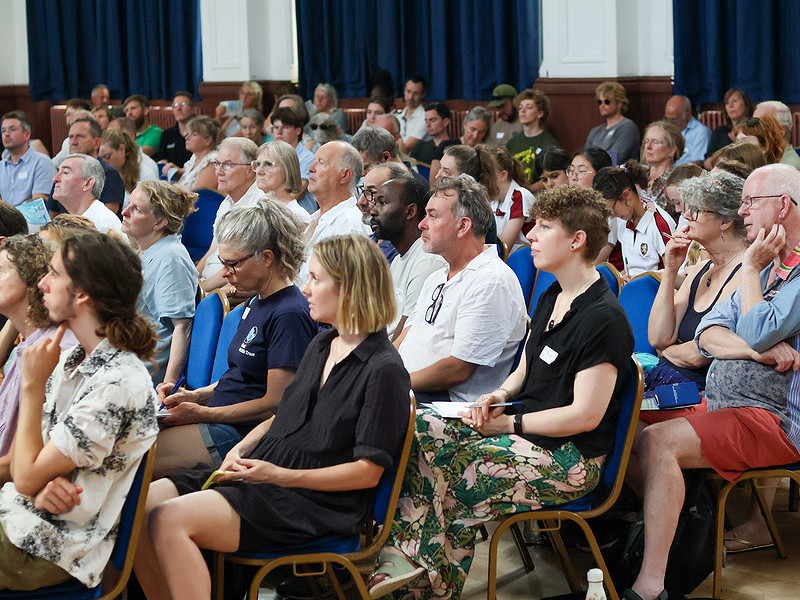
Opportunities for closer collaboration, better pathways for young people into conservation and more support for grassroots community actions were among the themes flowing through a one-day conference in Lewes last week.
Despite soaring temperatures, the Wilder Ouse Conference brought 140 people to Lewes Town Hall on Friday 26 June.
Organised by Sussex Wildlife Trust and The Southwood Foundation, the day was packed with presentations, conversations and displays, representing a kaleidoscope of actions to reverse the decline of one of Sussex’s most beloved rivers and its catchment.
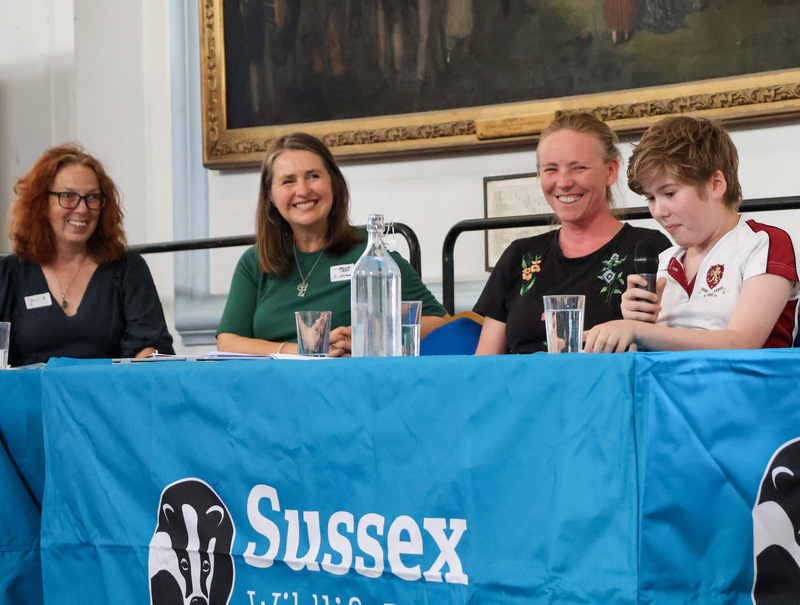
Sam, a youth board member of Green United, spoke passionately about the thousands of “incredible, beautiful, fantastic” species that have been lost in the area since the 1970s, and his desire to see biodiversity bursting back into the world.
Libby Drew, Director of Knepp Wildland Foundation, reminded us that “the sickening of our waterways is the sickening of ourselves,” and noted that farmers are exhausted by the increases in both flash flooding and cracked earth.
Henri Brocklebank, Director of Conservation at Sussex Wildlife Trust, recalled that years ago she had been told “there’s no such thing as natural flood management in a lowland catchment,” such as the Ouse and its tributaries. In 2026, the evidence to the contrary is clear, and the day celebrated a shift in perceptions that holds hope for the future.
Drought is more destructive to rivers than flooding, Pete King of the Ouse and Adur Rivers Trust reminded everyone, and managing for one is managing for both. We saw examples of tree and hedgerow planting, digging shallow, floodable 'scrapes' and the assembling of leaky dams - all designed to ‘slow the flow’ upstream, and reduce extremes downriver.
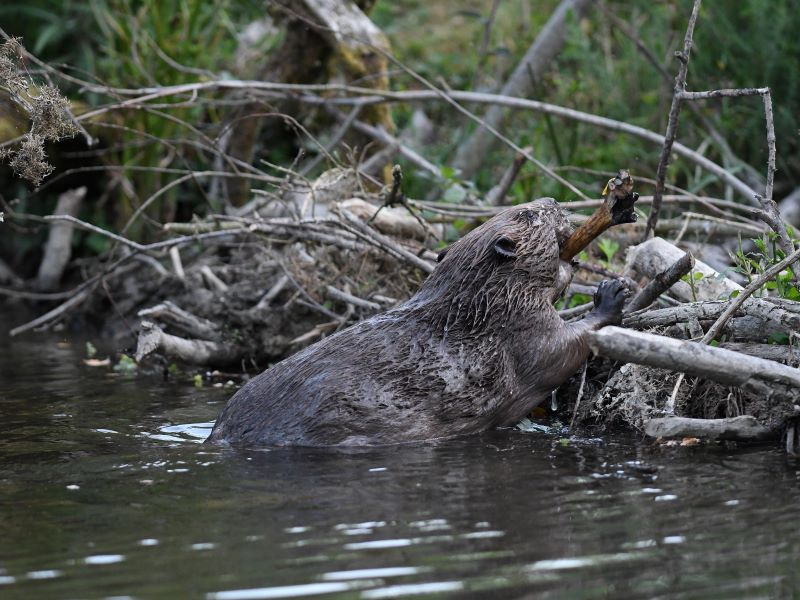
New allies for this crucial work have recently arrived in the catchment, with a family of Beavers now living in an enclosure at Bowyers Wood near Uckfield. Grace Garland and Helen Taylor from the Green Britain Foundation shared the story of the Beavers’ translocation from Scotland, and showed how they’re settling into their new Sussex home.
The prospect of Beavers living wild in the catchment is now on the horizon, subject to licensing, and Nature Recovery Manager at Sussex Wildlife Trust, Fran Southgate, pointed out that there will be a need for ‘Beaver surveillance’ and roles for volunteer Beaver surveyors.
Two volunteers, Elvie and Tom, spoke about some of the barriers to making a career in conservation - money, time and access. They also highlighted the opportunities made possible by Nature Links, a project for youth volunteering hosted by The Railway Land Trust in Lewes, and the inspiration they had taken from visiting Knepp and working with Sussex Wildlife Trust’s Youth Rangers at Woods Mill.
“We need more incentives to get people into the space and get them hooked on practical skills,” said Elvie.
The need for properly funded routes into conservation work was also emphasised by Chris Sandom, of the University of Sussex and Nature Sense. Chris is working both on innovative ways to map habitats and biodiversity and on creative ways for people to engage with visions of the future - for example through comic book art and timed challenges.
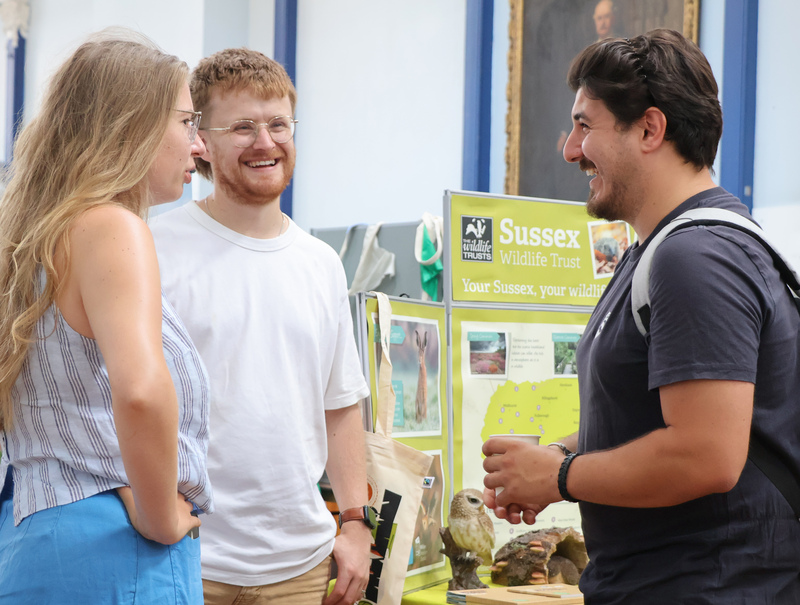
Creativity was a theme throughout the day. Dylan Walker of the People’s Park for Nature argued that while we talk about a lot of crises, it’s a crisis of imagination that’s really holding us back. The People’s Park, linking up people and local spaces for nature, exists to make more time for the dreaming as well as the doing, he said.
Matthew Bird, of Love Our Ouse, reminded us that Lewes town is only there at all because of the river, and that bringing its wellbeing back into the heart of decision making is vital to our shared prosperity. The adopting of a bill of rights for the Ouse has become a famous example of a wider call for ‘Rights for Nature’ and is reframing the way we might think and feel about conservation and biodiversity.
After all, we are the river and the river is us.
“Wilder Ouse will continue to build upon the collaboration demonstrated from the conference,” reflected Harriet Trueman, Wilder Ouse Officer and animating force behind the day.
“It was clear individuals would benefit from accessible maps to understand the spatial locations of projects and funding opportunities, and this is something Wilder Ouse will explore producing.”
Wilder Ouse is a project partnership of Sussex Wildlife Trust, Lewes District Council, The Woodland Trust and the Environment Agency.
Thanks to the Southwood Foundation, Wealden District Council and Lewes District Council for partnering on the event. For the full list of contributors to the Wilder Ouse Conference see the speaker pinboard.