
We Are Birders! #1 Sussex Sara
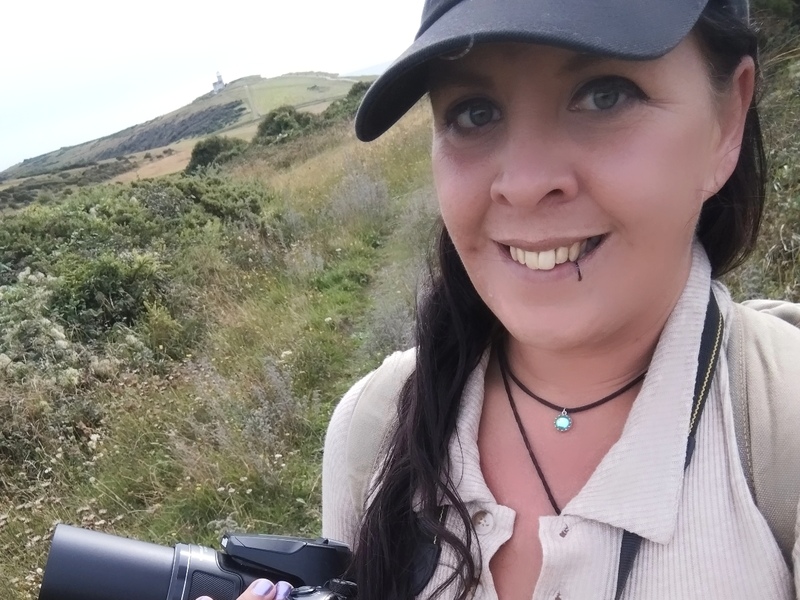
This is the first in what will be an occasional series of interviews with Sussex birders.
Name: Sara (aka Sussex Sara).
Age: 38.
Number of years birding: Around 10.
Favourite bird to watch and why? I can't choose just one, so Nightingales, Turtle Doves and Ring Ouzels are my favourites. I love seeing rarities when they arrive but I spend a lot of time photographing and filming the UK's threatened species too. It's important to help people understand why they are threatened and how we can help. Turtle Doves, Nightingales and Ring Ouzels are each really special to me, as I've been involved in conservation projects to protect them, like Operation Turtle Dove. They're all fairly tricky subjects to catch on camera too.
Favourite place to watch birds? It depends on the season for me. In spring, I spend a lot of time in the Sussex woodlands with Nightingales, then in summer I'll be nearer the coast where I get a mix of land and shorebirds, plus I can sea swim to cool down! This tends to be the time of year I'll explore outside of Sussex more too. In autumn, I ‘patch watch’ the migration hotspots nearest my home in Eastbourne. Rye Harbour is a regular spot for me year round, but especially in winter.
Any challenges to birding for you? I'm a low carbon birder, so I get to all my destinations on foot or by public transport which takes additional time and planning. This can make it challenging to see rarities when they turn up, but I've had some success in finding more unusual birds of my own too, which is really rewarding!
Nocturnal birds are often tricky for me to see safely alone as a female birder. Nightjars near me are in the middle of a big woodland. It's a long, unlit walk back to the nearest train station. I'd love to watch them churr but it's not something I'd feel comfortable doing solo. I'll usually leave my Nightingales by dusk too, so I'm not walking too far alone after dark.
I haven't met many other local female birders my age, especially not lone women, but I've have been made to feel so welcome by the birding community here in Sussex. It can be quite intimidating to learn how much you don't yet know and talk to other birders when starting out, so it's important that experienced birders help everyone feel welcome, safe and supported, right from the start. It's great to see more diversity being represented in birdwatching, and that so many new young birders getting interested in birding and nature now.
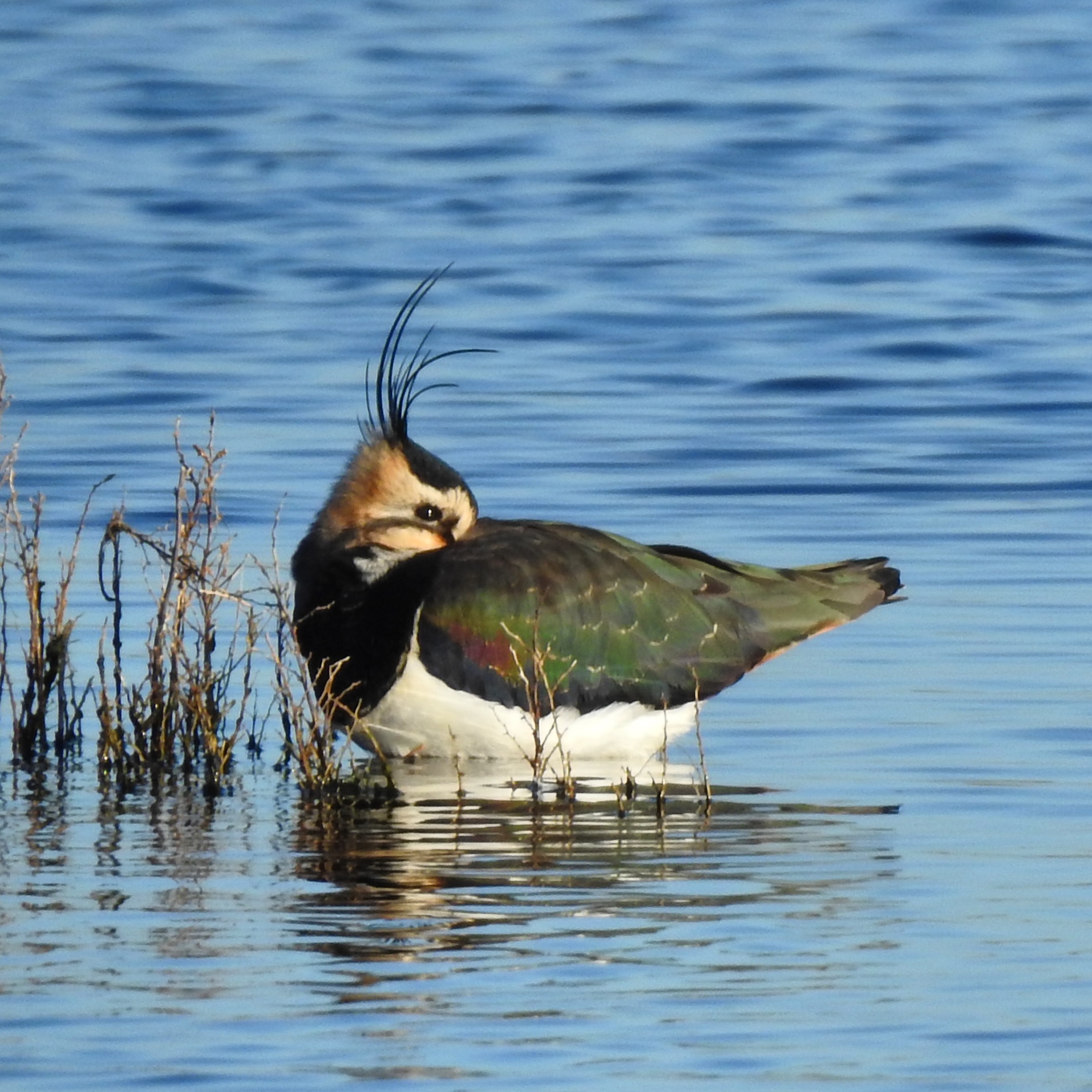
Top tip for new birders: Read and follow the birdwatchers code - this version is great and explains why things are important, not just the guidance to follow. It will help you protect wildlife, habitats and build better relationships with your birding community:
Any experiences of using a bird hide you’d like to share? Generally speaking I prefer not to use hides, there aren't many local to me so I've focused on developing my fieldcraft skills instead. This means I can often get good views without needing the fixed shelter of a hide. In wet and windy weather, or on very hot days, hides are a great way to watch wildlife while getting a break from the weather though. I love how hides can break down barriers between generations too, I'm the type of person that will happily have a hide chat about what's been seen if people are in the mood to chat. I'll offer to lend children my binoculars so they can look at the wildlife, and they are often more interested than the parents!
It's polite to enter hides carefully and quietly though, sometimes people have waited hours for an animal to come into clear view. A slammed door, shutter or other loud entry can quickly scare the wildlife on the other side of the building away and leave a frosty atmosphere in the hide.
Approaching birds and birders in the field carefully is important too. Without the added shelter of a hide, the chance of scaring away something people have gathered or waited to see is much higher. People watching it will often help guide you in if you do want to approach. Try to catch someone's eye and join the group as directed, rather than heading to the bird itself.
Follow Sara on Instagram @Sussex_Sara