
The Zombie classroom
By Natasha Sharma
Communities and Wildlife Officer
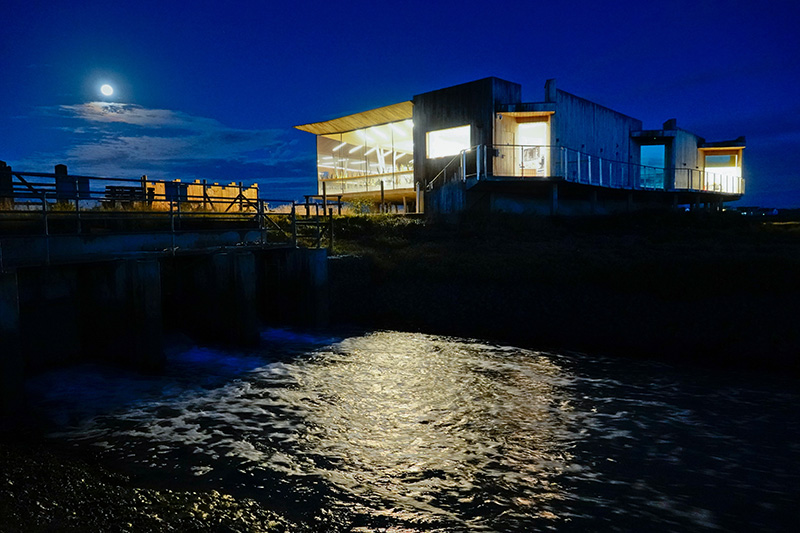
It wasn’t even Halloween yet but there was something afoot at the old Nature Reserve in Rye Harbour. The wind whistled around the sharp corners of the wooden cabin on stilts that stands by the river Rother, next to the misty Romney Marshes, down by the sea in Sussex.
Inside the building was empty, or so it seemed, as it was too early for dog walkers to be popping in for coffee or students to be starting off a day of nature study in the classroom. Rye Harbour’s lights glinted green and red as the spectres of boats came floating in on the tide after the night out fishing under the stars.
On second inspection, there was something moving in the classroom window! It was almost like the groans of the timbers in the wind were giving life to the flickering shadows of zombie forms crawling into the corners of the ghostly classroom in the early hours of the morning. The crooked bodies with six creeping legs and flailing prolegs shuffled in a trail of contorted agony to the corners of the room. Finding shelter from the wind and slight warmth from the inside of the building above the saltmarsh where the haunting and zombifying was currently taking place.
Amongst the crucifers – which are the plants in the cabbage family that do very well down at the shingle shore and saltmarsh – had been a host of white ghostly butterflies (Large White) which had laid eggs for their caterpillars to eat their fill of Sea Kale, Sea Beet, Black Mustard and the like at the end of the summer to help turn them into the next generation of butterflies. It was within this population that a black assassin, a parasitoid wasp (Cotesia glomerata) had made its move to take over the minds of a whole generation and created a waspish brain hack to look after its own young.
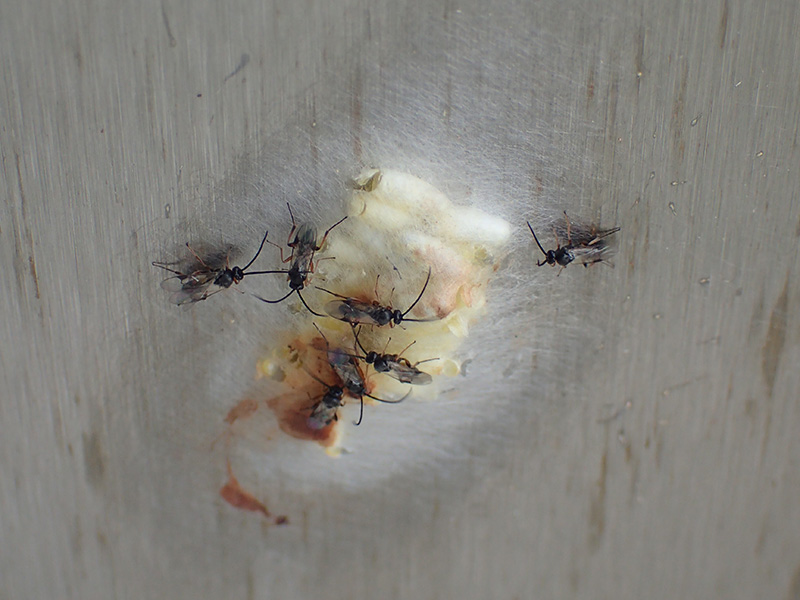
The wasp had a special way to create a Zombie hoard to look after its young wasp babies. Injecting each caterpillar with wasp eggs meant that the brain of the caterpillar was rewired to serve not its own body but that of its host. Not finding more food to eat for just itself but instead finding a sheltered spot to be preserved long enough for the wasps to develop by eating its dying body once they have hatched.
This gruesome sight though it seems cruel is a natural process which means that we have a wider biodiversity of insects and allow less damage by the Large White Butterfly, and its cousins to the crucifer leaves ensuring there is more pollinated seed for these plants and food crops in the whole area.
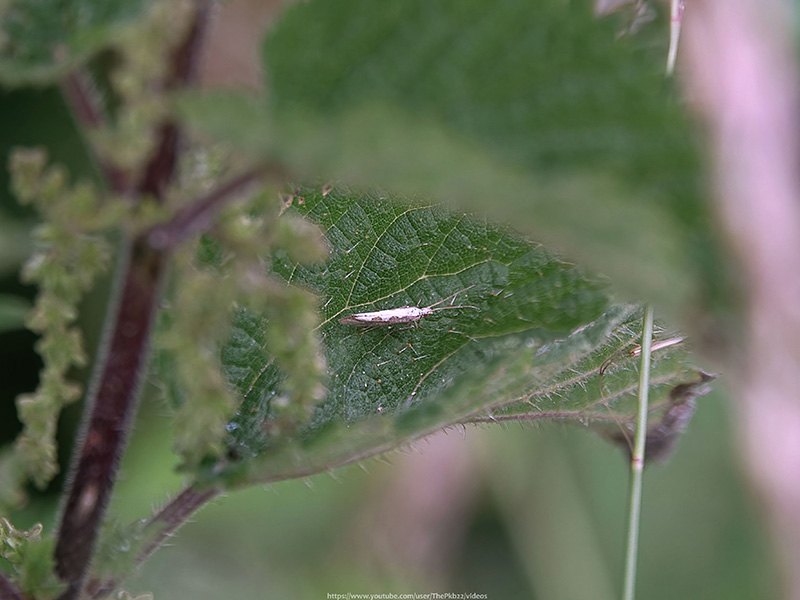
In turn the plants that are eaten by the infected caterpillars are avoided by another moth which also eats their leaves, the Diamond-backed Moth (which can devastate whole crops of cabbage plants on farms). So the Zombie maker has in fact acted to protect some of the rarer as well as edible plants in the area.
Researcher Erik Poelman stated that “this discovery could help us to develop an environmentally friendly way of protecting cabbage plants from Diamond-backed Moths.”
Comments
Natasha, that was a brilliant Halloween read! 🕷🦗🪳 Thank you!
31 Oct 2022 23:37:00