The Traitors
By Andy Fry
WildCall Officer
Treachery is a strategy well used by humans to get what they want, but we by no means invented it. A lack of societally imposed moral codes has allowed deceit to run rife amongst all living things, with some species basing their entire lives on lies. You don’t have to look too far from home to see what I mean.
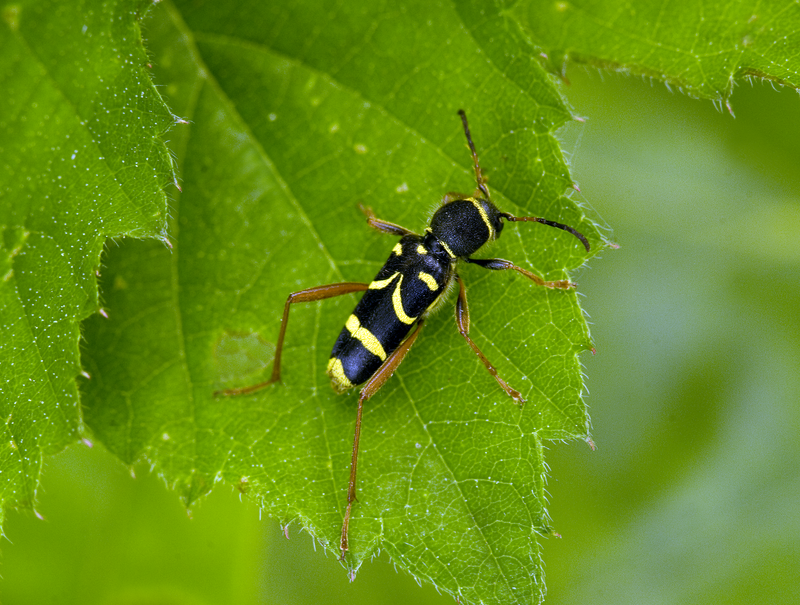
Yellow and black stripes are a shared colouration for many stinging insects, namely bees, wasps, and hornets. As a result, several species have adopted these colours to claim others' defence as their own. This mimicry can be seen in hoverflies, moths, beetles, spiders, caterpillars, and craneflies in Sussex alone.
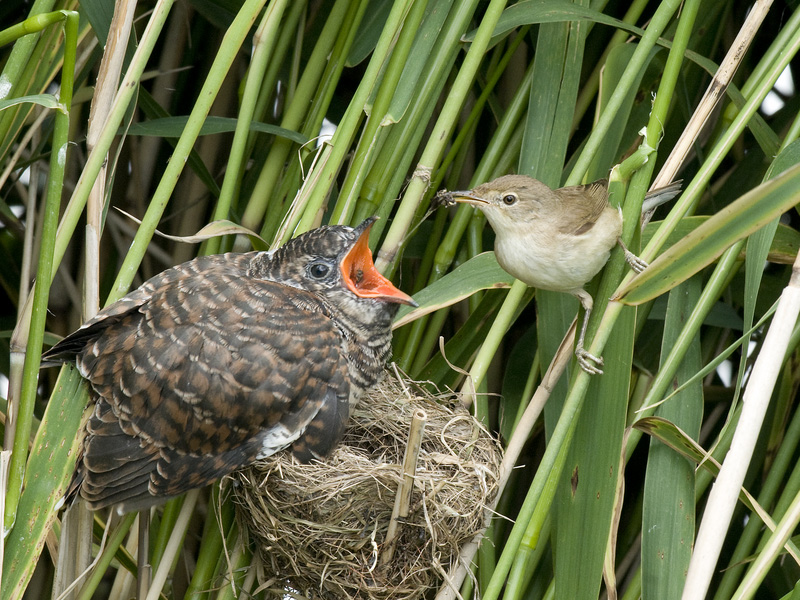
Arguably the ultimate deceiver is the Common Cuckoo. Cuckoos are brood parasites, laying their eggs in nests of other birds so that they don’t have to raise their young themselves. One may think that tricking a bird half their size to raise their chick as its own is a tall order, but Cuckoos are hard-wired for trickery. Their Sparrowhawk-like tail and chest feathers serve to scare adults from their nests, and their eggs mimic those of their host species in colour and pattern surprisingly well. With these tools, a Cuckoo mother can simply remove an existing egg, and replace it with a remarkably similar one of her own – the perfect cover-up.
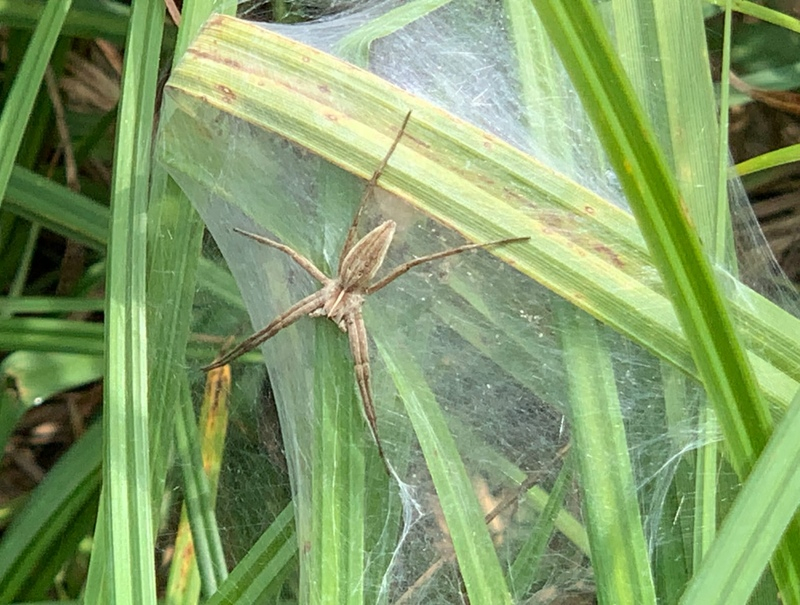
My favourite, however, is the Nursery-web Spider. Males of this species will gift-wrap prey items in silk for a prospective mate, which she will chow down on while he mates with her. However, a male will often wrap pre-eaten or inedible ‘gifts’ like insect exoskeletons or plant matter instead, and attempt to mate before she discovers his ruse. Further still, if a female tries to terminate copulation, a male may play dead briefly, still clutching the gift as she drags him along, before miraculously ‘reviving’ to mate with her anyway under the element of surprise.
To us, these natural behaviours might be considered deceitful or cunning, but to them, it's their best chance of passing on their genes to the next generation.