
The Sussex kelp recovery story – five years in
By Kerry Williams
Communications Officer - Conservation
Five years ago, the Sussex Kelp Recovery Project (SKRP) was born. The story starts with seaweed.
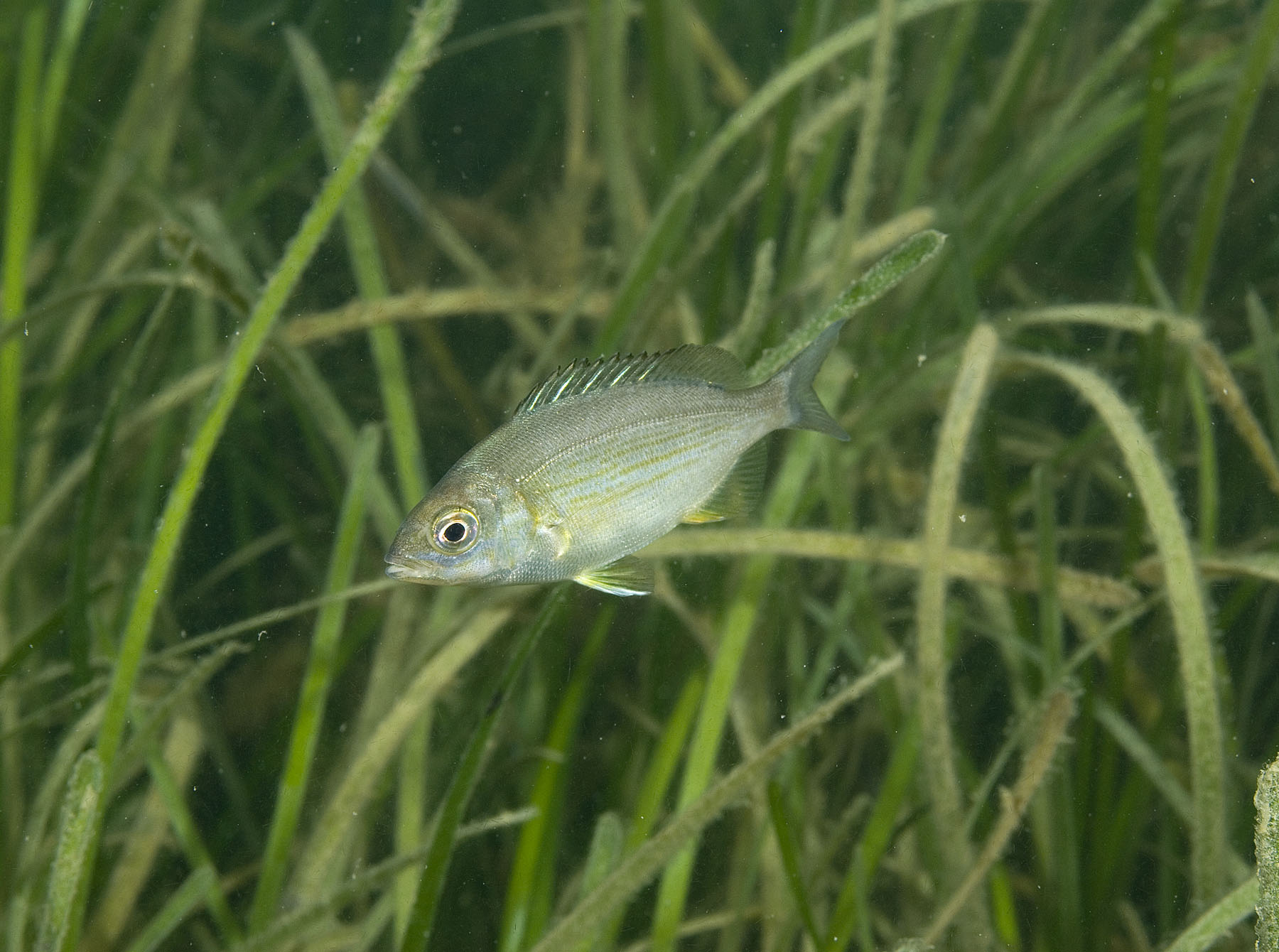
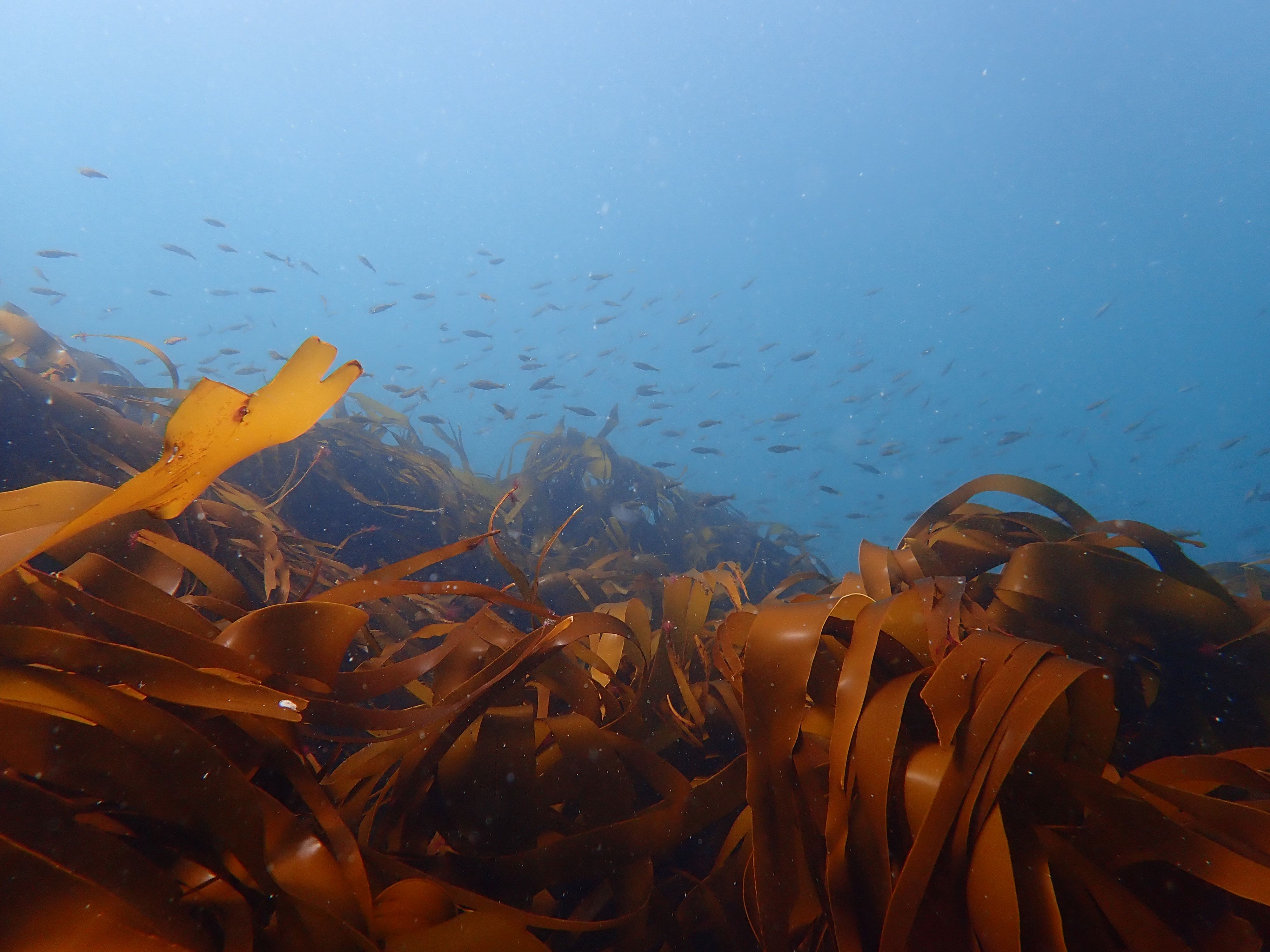
Kelp, a large, flat-edged, brown seaweed, used to be plentiful off the Sussex coast. Imagine these towering underwater giants beneath the waves; an abundant forest of the deep, creating shelter, habitat and food for all manner of marine creatures. Fish such as Black Sea Bream would welcome the cover to dig and spawn in gravel nests, undisturbed. Blue Mussels would provide a grounding for the kelp to attach to, and in turn engineer further habitat and food for others, like Common Starfish and Plaice.
The ocean bed and chalk reef outcrops would be wriggling and writhing with life; scuttling Spider Crabs, swaying siphons of ethereal-looking Piddocks and the occasional chilled-out fin-flap of a semi-hidden Undulate Ray. Larger marine mammals like seals and dolphins would benefit from these supreme hunting grounds, and from above, Gannets would spear the surface to take their fill of the plentiful beneath-the-waves buffet. And so, safely and sustainably, could we.
In the 1980s things began to change. Storms, marine heatwaves and poor water quality had a negative effect on Sussex kelp, and persistent damage had been caused by intensive and regular trawling of the seabed for commercial fishing. This destructive and indiscriminate practice decimated the biodiversity of the Sussex seabed. By the end of the century, 96% of Sussex kelp was lost, and with it, the house it built. The whole ecosystem had been wiped out, in repeated, traumatic acts of destruction. All happening under the waves; beneath our noses, yet out of sight.
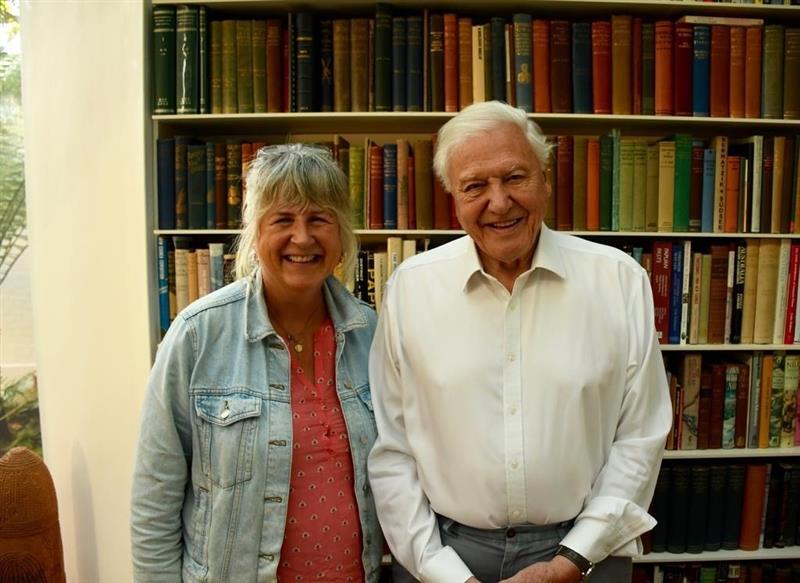
But some people did notice. Legislators, scientists, sustainable fishers. Divers and filmmakers. All witnessing the loss of this once thriving ecosystem and knowing it had to stop. Sussex IFCA formed a case for a Nearshore Trawling Byelaw, and local production company Big Wave created Help our Kelp, a film narrated by the great Sir David Attenborough. Other organisations joined the fight, and a pioneering campaign of the same name was launched. People watched, read and listened. Sussex was indignant, and we exercised our power through active support.
It worked. From 18 March 2021, trawling was prohibited from 304 square kilometres off the Sussex coast. Stretching from Chichester in the west to Rye in the east, the byelaw is one of the largest in the UK. An incredible conservation achievement, and a monumental piece of legislation. Replicable, too, as trawling still occurs across much of our UK shores.
The campaign collective became the Sussex Kelp Recovery Project; eleven organisations*, co-ordinated by Sussex Wildlife Trust, that have continued to monitor, advocate for and celebrate the recovery of our Sussex seabed.
The benefits are underway; Black Sea Bream and Blue Mussels are already on the increase. But nature takes time to recover, especially after such persistent and unsustainable devastation. 96% of one of the most biodiverse ecosystems on Earth won’t recover overnight, and these last five years have been focused on laying down the groundwork to enable the slow and steady return of these great forests, and their many inhabitants, to our seas. Rewilding our ocean, piece by piece. With patience and continued collaboration, the story of our Sussex shores gets wilder each year. Although it started it all, really, kelp is just the beginning.
*Sussex Wildlife Trust, Blue Marine Foundation, Zoological Society of London, Queen Mary University of London, University of Brighton, Adur & Worthing Councils, Sussex Underwater, Big Wave Productions, Sussex IFCA, University of Exeter, University of Sussex
Comments
So much has been achieved in this area, but deserves to have much more publicity around it. Thousands of people visit the coasts so awareness is crucial. Keep up the amazing work. Well done to everybody involved.
19 Mar 2026 11:54:00
Well done Sussex Wildlife Trust and other agencies for bringing about protection for the Sussex coastline. The rest of the country should take note and stop the destruction of our marine habitat. Keep up the good work.
19 Mar 2026 12:25:00
I think it’s a pity that it isn’t a legal requirement. The government has missed a trick; if it works for both nature and fishing communities in Sussex, why shouting work for the rest of the UK?
19 Mar 2026 12:39:00
Amazing. The beautiful sea life returning and collaboration between humans to support it makes me emotional. Well done and thank you to all involved. We need so much more of this sort of determined energy!
19 Mar 2026 16:10:00
Well done Sussex Wildlife Trust and other agencies for bringing about protection for the Sussex coastline. The rest of the country should take note and stop the destruction of our marine habitat. Keep up the good work.
19 Mar 2026 16:39:00
Wonderful news! Making it even more important for Members ( and others) to object to the temporary licence application from the Marine Management Organisation ( MMO ) to dump dredged silt from the Brighton Marina in the sea. Thus suffocating the recovery of many species and introducing micro plastics, fuel residue and other pollutants into the water. All within a Marine Conservation Area only so designated a few years ago . Absolutely bonkers proposal.
19 Mar 2026 16:47:00
Shows what could be achieved…the sad thing is that Brighton Marina has applied to The Marine Management Organisation to dump its dredging sediment into the West Beachy Head Conservation Area and it is very real possibility that they will be allowed to do it legally….Madness
19 Mar 2026 17:28:00
Kelp is also the best taker up of CO2
19 Mar 2026 18:15:00
Fantastic to have acheived so much but I’m worried about the impact of dredging Brighton Harbour and the impact of dumped stuff on our coastal waters.
20 Mar 2026 01:52:00
Having interfered with nature is it possible that the Kelp increase could be helped and accelerated
by man by seeding or growing it in nurseries and planting out when stronger?
20 Mar 2026 11:13:00
Sussex Wildlife Trust:
A key aim of the Sussex Kelp Recovery Project is to support and monitor the natural recovery of kelp and other essential fish habitats in Sussex. You can read more on the Sussex Kelp Recovery Project website.
Inspiring and very welcome news. Let’s hope this initiative is replicated around the entire UK coastline.
21 Mar 2026 07:40:00
Many congratulations on all your work. I hope you can mobilise other marine communities to replicate your efforts and particularly successfully oppose the dumping of dredging spoil from Brighton Council in a Nationally recognised Marine Reserve. The Law should be changed to make such acts Criminally liable, requiring us to support you through MPs .
22 Mar 2026 22:26:00
Great work, well done, lots more to do
23 Mar 2026 10:52:00
Congratulations. Fabulous co-ordinated work across many organisations and regulatory bodies. Very well done to all those involved.
23 Mar 2026 17:10:00
How is it even up for debate that the Marine Management Organisation ( MMO ) can dump dredged silt from the Brighton Marina into the sea? It is within the designated Conservation Area that Sussex Wildlife and others have worked tirelessly to
create. The answer is “No!” “It is not possible and never will be.” Surely?
24 Mar 2026 10:33:00
Well done to everyone who has worked TOGETHER on this project. The video is so uplifting. We must continue so that future generations will benefit from all your hard work and dedication. Thankyou on behalf of my children and grandchildren.
25 Mar 2026 19:21:00
Fantastic news that this work is being done.
However, who monitors & enforces tbe no trawl zone?
And also dosen’t sewage outflows impact on the work being done ?
30 Mar 2026 09:28:00
Sussex Wildlife Trust:
Sussex Inshore Fisheries and Conservation Authority patrol and inforce the Nearshore Trawling Byelaw area and over the past 5 years there have been no records of trawling within the prohibited area due to their efforts. They, along with the rest of the Sussex Kelp Recovery Project team also monitor the changes in marine life as a result of the seabed protection.
You are absolutely right, one human pressure has been removed in the nearshore environment but there are many others threatening recovery from water quality (some of which is linked with sewage), climate related impacts and increased sediment loads. Again these barriers to recovery are something we're investigating so we can tackle them for marine life to thrive for future generations to come. More info on this can be found here: bluemarinefoundation.com/wp-content/uploads/2025/06/Kelp-Recovery-Report.pdf
Walking to the sea front is now a struggle for me but when I sit in front of the cafe there and look to the sea and the re-emergence of life that is occurring there it is gladdening.
31 May 2026 13:14:00