
The remarkable bond of maternal relationships in Sussex marine animals
Alicja Szalanska
Wild Coast Sussex Volunteer
We've just celebrated Mothers Day for humans. But what about the maternal bond in marine creatures?
In the Sussex marine environment, mothers of all shapes and sizes are nurturing the next generation.
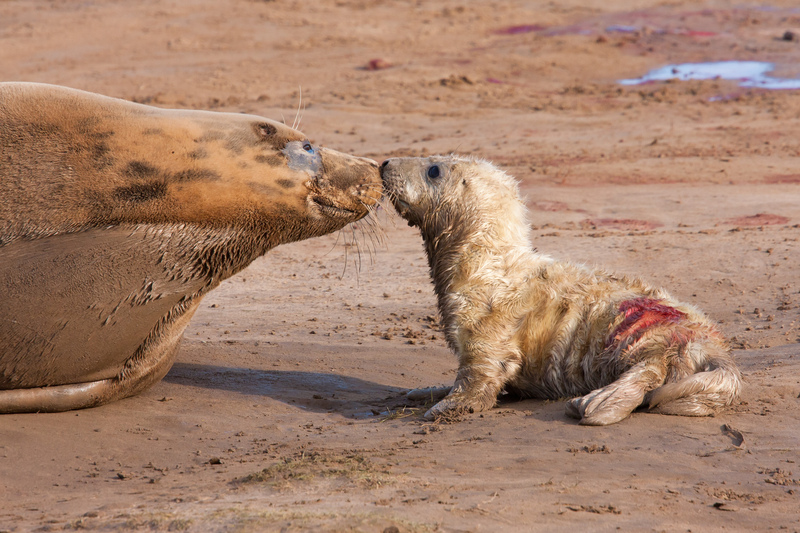
Take the majestic Grey Seal. These charismatic creatures haul themselves out onto Sussex beaches between November and January to give birth. But where do they choose these birthing sites? Interestingly, female Grey Seals return to the very same beach where they were born themselves. This remarkable feat of navigation and memory ensures they give birth in a familiar and safe environment.
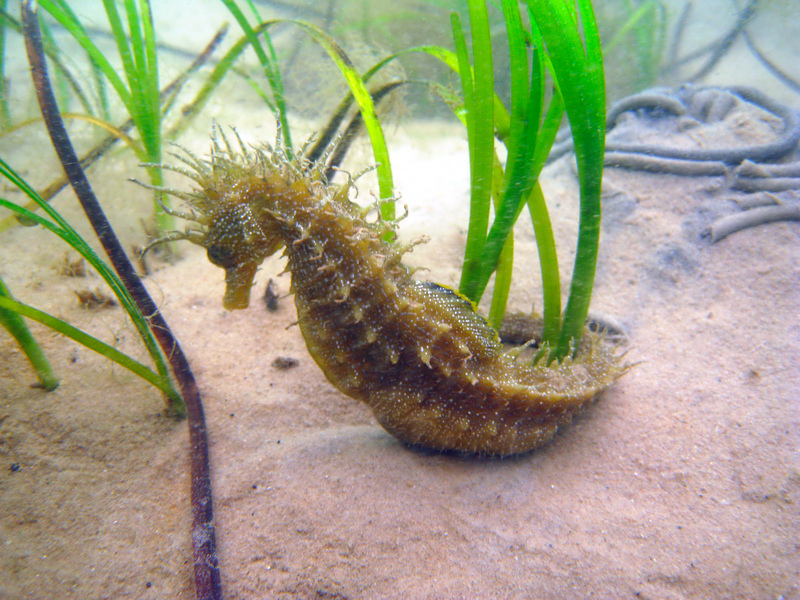
Another Sussex superstar mom is the Spiny Seahorse. Unlike most fish, it's the male seahorse who carries the fertilized eggs in a pouch. But before that, the female plays a crucial role. She carefully selects and deposits her eggs in the male's pouch, ensuring the survival of the next generation.
In contrast, Thornback Rays, for example, lay leathery egg capsules on the seabed. These capsules contain a yolk sac that nourishes the developing embryo until it hatches as a miniature version of its parent. It's a more hands-off approach, but no less vital for the continuation of the species.
These are just a few examples of the fascinating ways mothers in the Sussex seas care for their young. From the Grey Seal's dedication to birthplace loyalty to the Spiny Seahorse's unique reproductive strategy, these underwater moms remind us of the incredible diversity of parental care in the animal kingdom.
So let's take a moment to appreciate the amazing mothers swimming beneath the waves in our Sussex seas.