The Importance of Chalk Grassland and Mixed Scrub Mosaics

By Jamie Parsons
Head of Nature Reserves
Chalk grasslands and mixed scrub are among the most biodiverse habitats in the UK, supporting a rich tapestry of flora and fauna. Individually, chalk grassland and mixed scrub are ecologically valuable, but when they merge into a single mosaic, they form a dynamic habitat that supports an exceptional diversity of species.
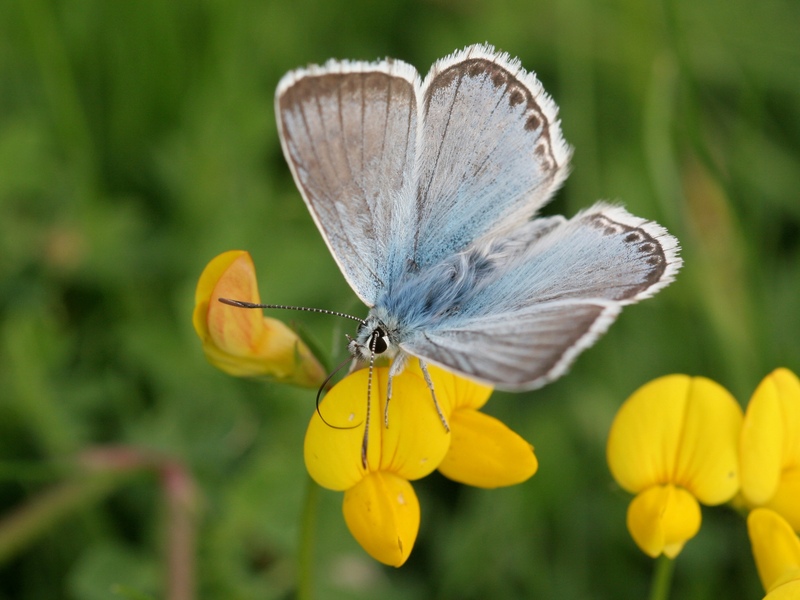
Chalk grasslands are renowned for their wildflower diversity, including orchids, Thyme, and Knapweed, which in turn support butterflies like the Adonis Blue and Chalkhill Blue. The short, nutrient-poor turf is ideal for invertebrates and ground-nesting birds such as Skylarks and Meadow Pipits.
However, it’s the mosaic of grassland interspersed with scrub - Hawthorn, Blackthorn, and Bramble - that creates vital transitional zones. These areas provide shelter, nesting sites, and food sources for species that rely on both open and covered habitats. The Corn Bunting, for example, benefits from open grassland for foraging and nearby scrub for nesting. This declining farmland bird thrives where traditional management maintains a balance between open habitat and cover.
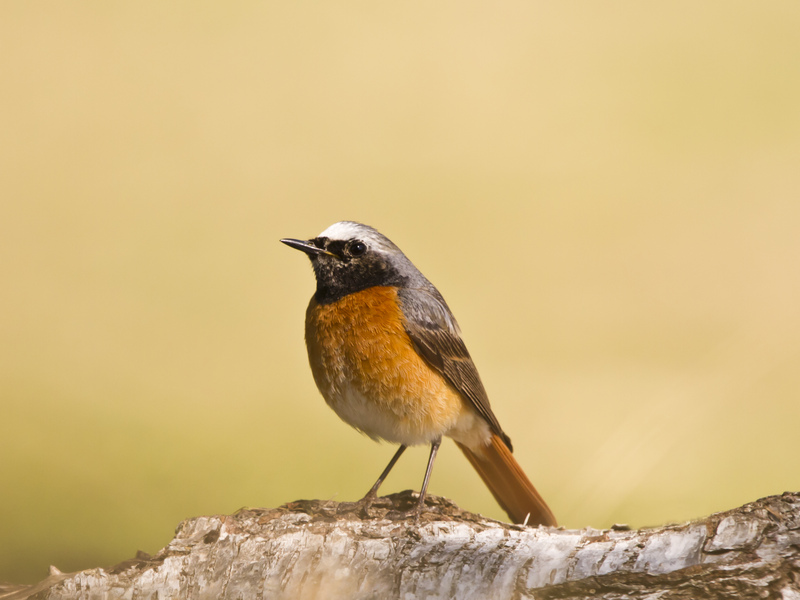
Migratory birds also find refuge in these mosaics. Species like the Whitethroat and Lesser Whitethroat use scrub for breeding and feeding during their summer stay, while passage migrants such as Redstarts and Spotted Flycatchers rely on the insect-rich scrub during stopovers.
Maintaining this delicate balance is crucial. Overgrazing can eliminate scrub, while abandonment leads to scrub encroachment and loss of open grassland. Our conservation interventions focus on rotational grazing and scrub management to help keep these two habitats in balance.