
Sussex marine wildlife showcase

The Oceans episode of BBC Wild Isles showcased some incredible footage of the varied and fascinating marine life beneath the waves - and many of these amazing animals live right here in Sussex.
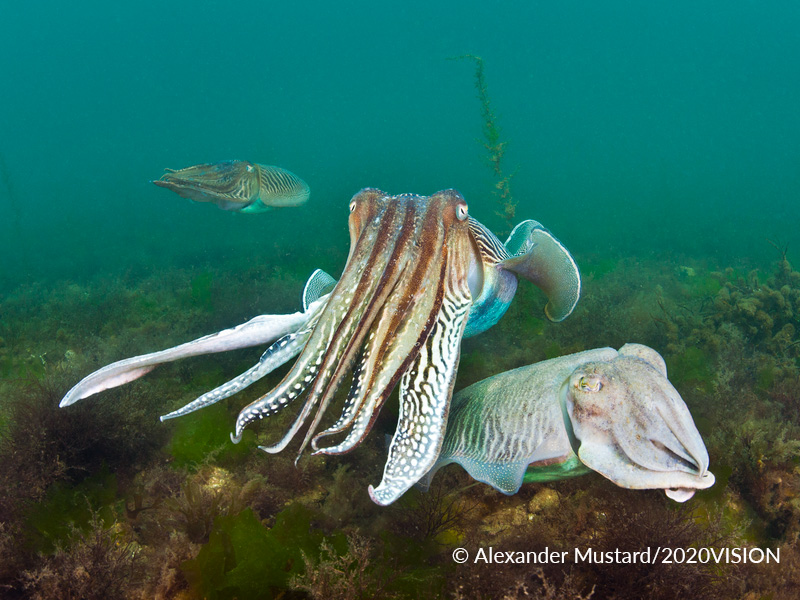
Common Cuttlefish
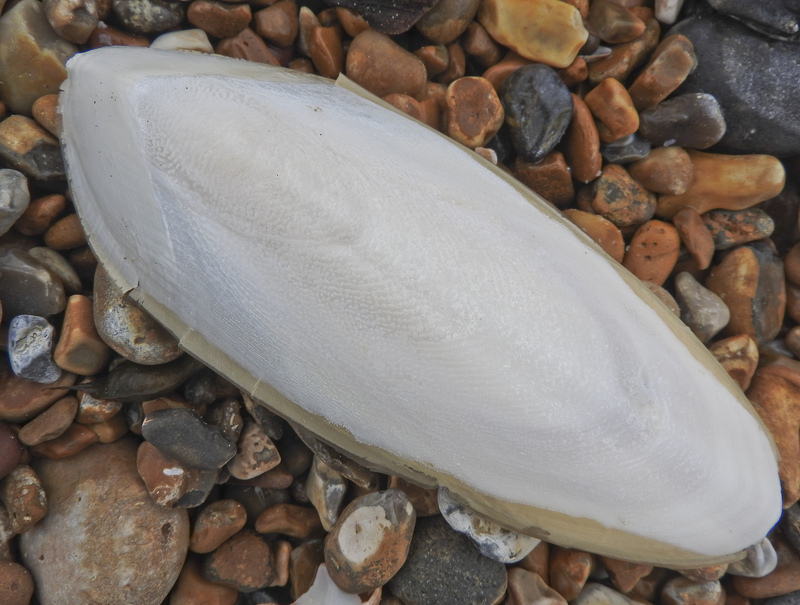
These chunky, squid-like creatures live all along the Sussex coast in water up to 200m deep, and they come to shallow waters to breed in spring. Cuttlefish are the chameleons of the sea, able to change colour in an instant and even alter the texture of their skin to blend in with their surroundings. They are highly intelligent with excellent eyesight, enhanced by distinctive W-shaped pupils. You might have seen cuttlebones washed up on the beach: brittle, chalky-white ovals like miniature surfboards. The Cuttlefish is actually a mollusc and these ‘bones’ are their internal shells, used to control buoyancy.
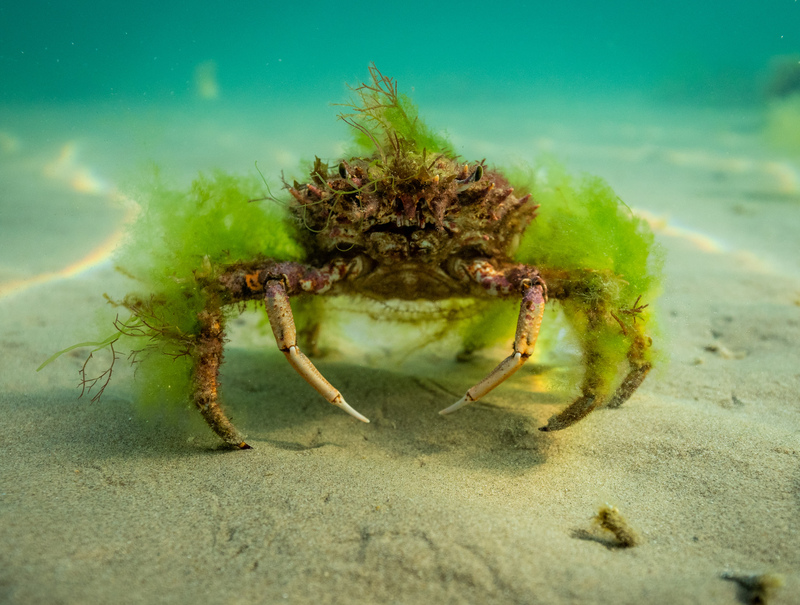
Spiny Spider Crab
These large, orange crabs have extra-long spindly legs, which allow them to walk forwards as well as sideways. The distinctive spiny shell is often covered in green algae, and the crabs may deliberately decorate themselves with bits of seaweed. As they grow, they must moult on a regular basis by shedding their old shells, which often wash up on the beach.
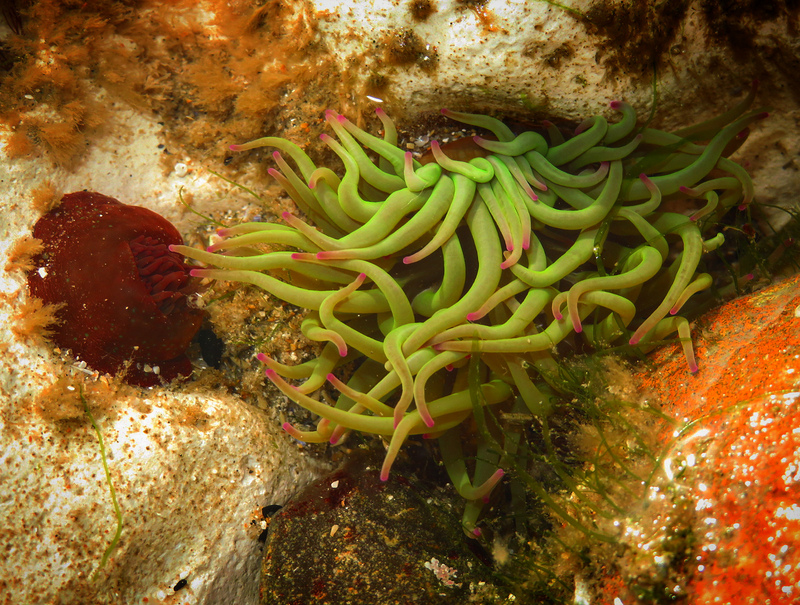
Snakelocks Anemone
Snakelocks Anemones live attached to rocks on the low shore and in shallow seas, so are easily spotted when rockpooling. Their tentacles are bright green with purple tips, making them look like a mass of snakes, and they contain algae that can photosynthesise. They also have stinging cells in their tentacles, which they use to catch prey including prawns, small fish, and sea snails. Be careful – they can even sting humans! They also have a special protein in their tissues which makes them glow fluorescent green under UV light.
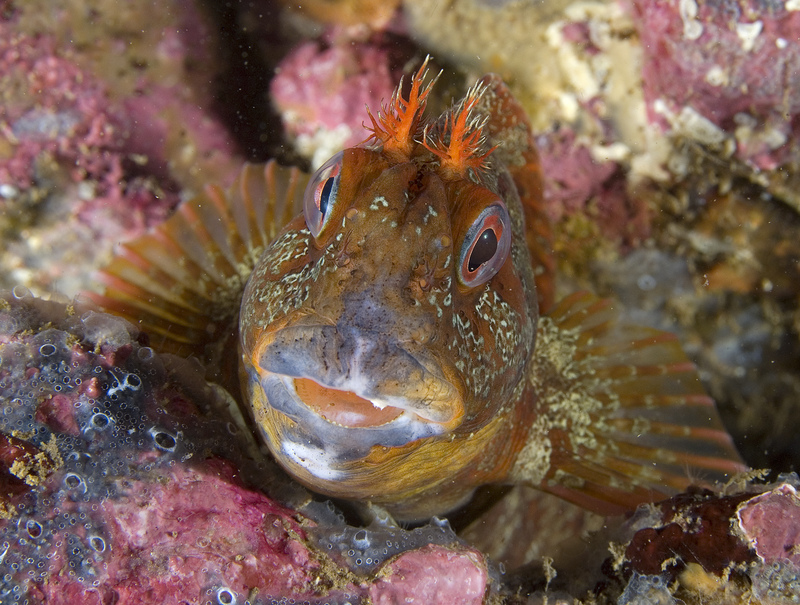
Tompot Blenny
This colourful fish has a friendly, clown-like appearance. The bright orange ‘antlers’ on top of its head are sensory tentacles, used to detect chemicals in the seawater.
They live in cracks and crevices and have slimy skin rather than scales so they can slide into the smallest of spaces. Divers approaching their underwater homes will be met with curiosity, their strange and giant presence tempting the Blennies out of their holes for a closer look. They are highly territorial, so regular visitors will meet the same resident fish, and individuals can be identified by their unique facial markings.
Dive deeper into the world of the Tompot Blenny in this guest blog by Paul Naylor.
Seals
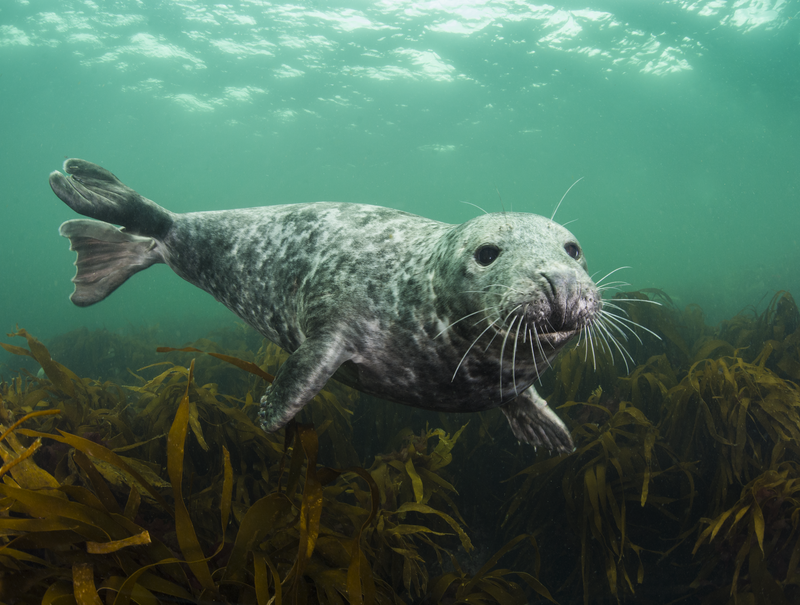
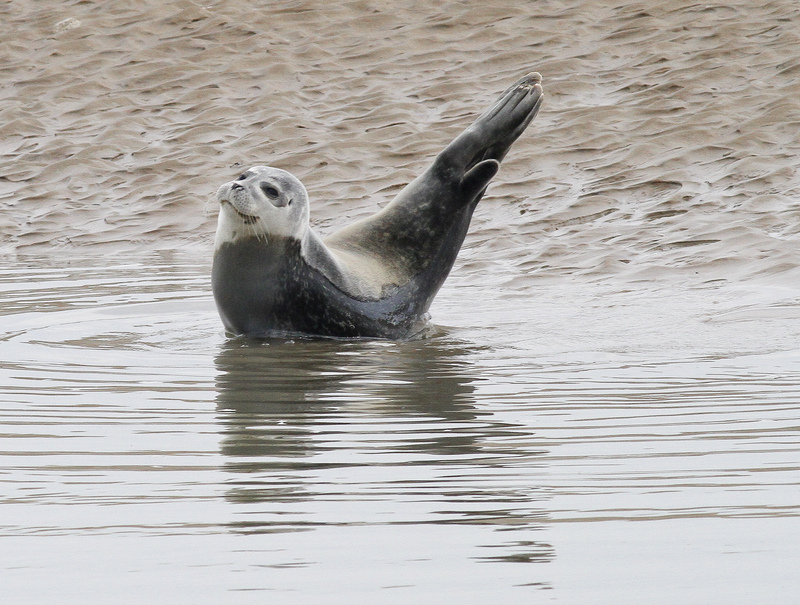
Two types of seal can be seen in Sussex, the Grey Seal and the Common (Harbour) Seal.
Grey Seals are larger, with a distinctive ‘Roman nose.’ They spend most of their time out at sea feeding on fish but will sometimes haul out onto the beach to rest and digest.
Common Seals will swim up-river to follow fish or haul out to rest in a peaceful spot but one of the best places to look for them is Chichester Harbour - the only known breeding ground or ‘rookery’ in the Eastern English Channel. Pups are born in June and July and can swim and dive just hours after birth, which is crucial if they’re born on a sand bank soon to be submerged by the incoming tide. By contrast, Grey Seal pups are born in the winter and stay on dry land for about three weeks before taking their first swim. They don’t breed in Sussex but about 50% of the world population of Grey Seals lives around the British coast, making the UK an important breeding area for them.
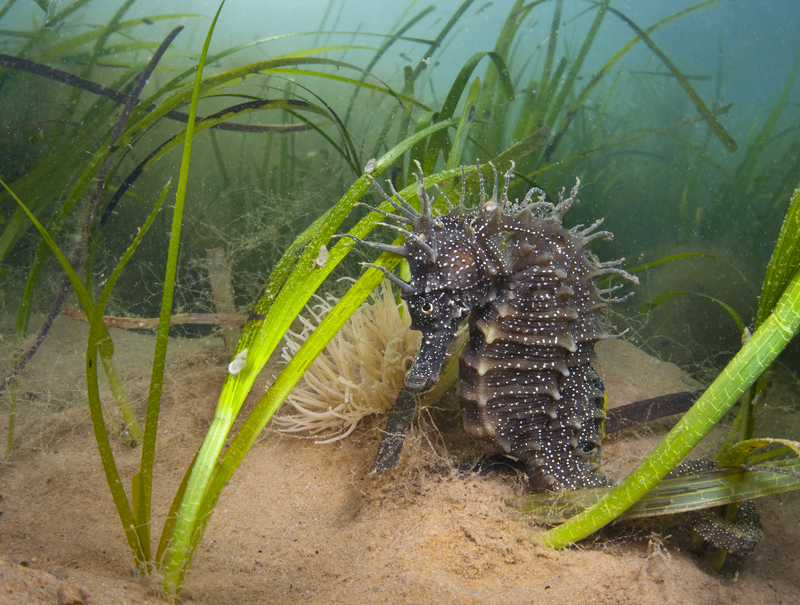
Spiny Seahorse
There are two species of seahorse found in Sussex. The Spiny Seahorse has a thorny appearance with a distinctive ‘mane’ of spines along its neck and back. The Short-snouted Seahorse has a smoother appearance and – unsurprisingly - a shorter snout.
Both species live in shallow coastal waters and use their prehensile tails to anchor onto seaweeds and sea grasses. They grow to a length of 15 cm and feed on small shrimp and plankton. Interestingly, seahorses don’t have teeth or a stomach and catch their prey by hoovering it up through their snouts. Food passes so quickly through their digestive system that a single seahorse must eat 30-50 mysid shrimp a day.
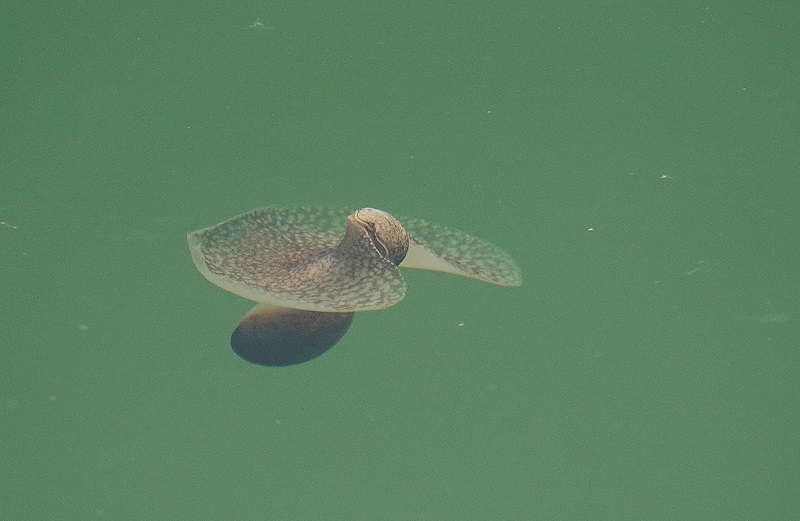
Royal Flush Sea Slug
Sea Slugs, or ‘Nudibranchs’ are tiny marine molluscs just a few centimetres long. Nudibranch means ‘naked gills’ and refers to their lack of shell. There are many different species, and they can be incredibly colourful. The Royal Flush Sea Slug isn’t the most vibrant but stands out for its ability to take off from the seabed and swim through the water column using its cape-like mantle. It can also release a purple inky substance to deter predators. This one was photographed swimming in Sovereign Harbour, Eastbourne this April.
Comments
Really appreciated these pictures in our shores. Hoping to renew some scuba skills to see how our shores in Sussex have be if it’s from all the effort and campaigning that has been done. Thank you it looks amazing
20 Apr 2023 15:56:00
Very interesting. Easy to read. Clear style.
20 Apr 2023 20:03:00
Brilliant photos and descriptions
21 Apr 2023 06:55:00
This is all very informative and interesting,
Thank you.
21 Apr 2023 09:30:00
Thank you for sharing these beautiful pictures on this page. x x x x
21 Apr 2023 13:36:00
Enjoyed reiteration of information from the Wild Isles program. All information easy to digest and informative of Sussex coastline. Increased my wish to visit Chichester harbour and what is left of Black rock at Rottingdean to relive childhood memories of beach pool dipping! Thank you.
21 Apr 2023 14:17:00
Very interesting. Easy to read. Clear style.
22 Apr 2023 20:22:00
fantastic information becomes addictive
27 Apr 2023 09:04:00
Sussex Wildlife Trust:
Thank you for comment
My friend was swimming off the coast in Brighton- and felt something big hit him in the back. Would that be a seal?
10 May 2025 19:05:00