
Sussex Bird Race 2026 - chasing the century
Jamie Parsons
Head of Nature Reserves
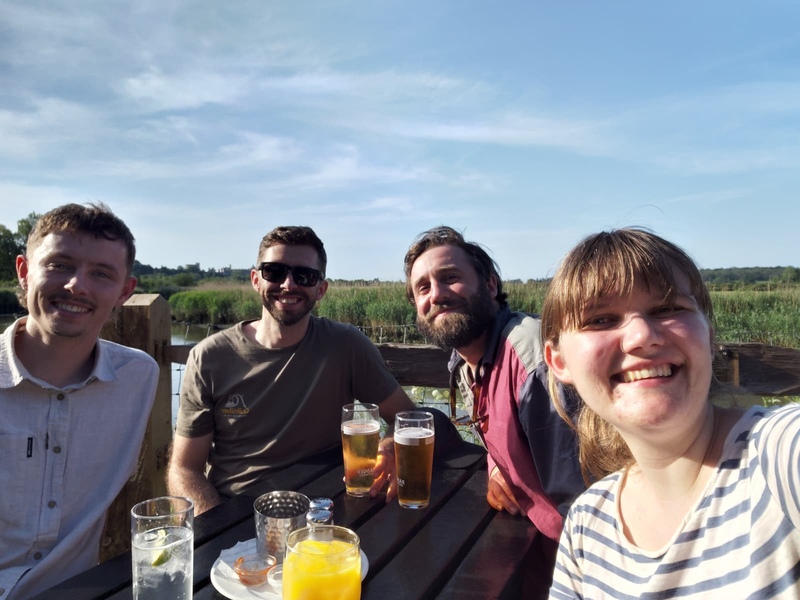
A 2:45am start is never going to feel sensible. Still, that’s when it began: a small group of us, with limited sleep, and a simple aim, see how many birds we could record in a day. This year’s Sussex Bird Race, where you race to see or hear as many species of bird in a day as you can, was going ahead despite only having one team entered, but we were excited to explore the area for this year’s race, Chichester and Arun.
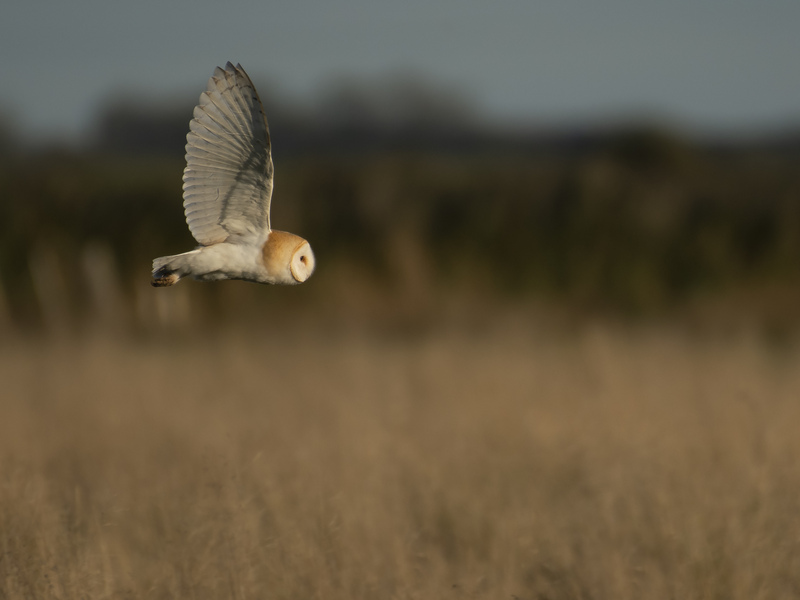
We headed first for Ebernoe Wildlands, to try for an early Nightingale. It paid off quickly. The sound of Nightingales drifting through the open car window followed by a Barn Owl floating across the road in front of us, an encouraging start and a reminder of why the early alarms are nearly always worth it.
Iping Common was next, and this was where the list really took shape. We logged 45 species in quick succession, with Nightjars churring and Woodcock roding. Tree Pipit, Woodlark and a Spotted Flycatcher also all made an appearance, alongside plenty of Dartford Warblers. A Hobby shot through briefly, and Woodpecker chicks hinted at busy nests. We left with 47 species on the board and a very proud [Area Manager, West] Ryan!
Millie [Brand - Sussex Biodiversity Record Centre GIS Senior Officer] joined us at this point, good timing for a quick breakfast break, then straight back out to Cocking Hill. It was a short but very useful stop, adding five species, including an unexpected Hawfinch and Raven, both worth the detour.
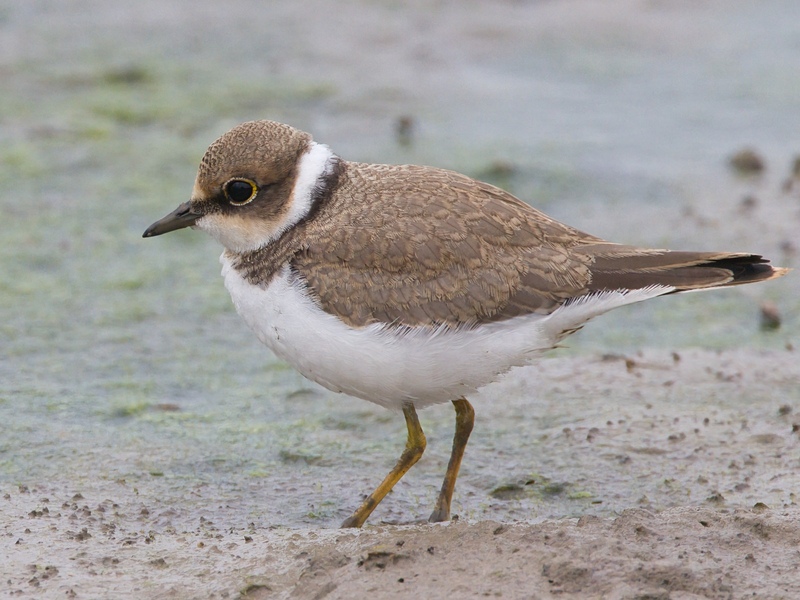
Pagham Harbour delivered the next big push. Ferry Pool held Little Ringed Plover, Avocet and Godwits among others, while a Honey Buzzard moved over Mill Pond Marsh. At the harbour mouth we picked up Little, Common and Sandwich Terns. By the end of this stop we’d added 39 species and were well placed going into the afternoon.
Not everything fell our way. A Sparrowhawk seen by only Callum [Forster, Assistant Ranger] as we drove into Chichester didn’t make the list, one of those small frustrations that tend to stick with you.
We paused at Chichester Cathedral for lunch with Peregrines and a welcome break in the shade of the churchyard. This took us to 92 species, and the idea of reaching 100 creeped into thought.
Kingley Vale didn’t bring anything new, but it was a magical reset. In the shade of the ancient Yews, it was easier to slow down slightly and enjoy species already counted, including Firecrest moving through the canopy. The heat was building and the pace was catching up with everyone.
Swanbourne River and Lake pushed things forward again. Sand Martin, Pochard, Grey Wagtail and Lapwing were among seven additions, bringing us to 99. Close enough to start thinking seriously about the century.
With time running down, Callum suggested one last effort, a quick drive, a bridge over the river Arun, and a tip-off that seemed worth a try.
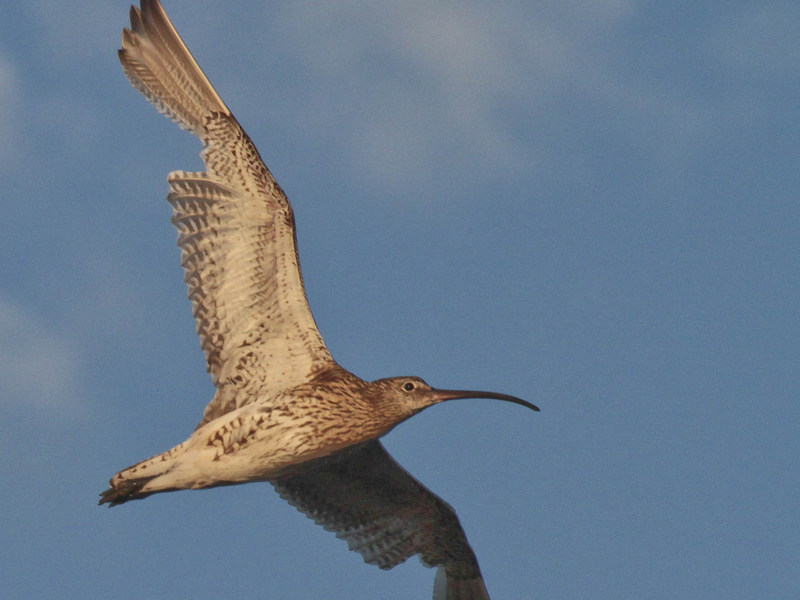
It worked. With seven minutes left, a Curlew flew overhead, clear, unmistakable, and exactly what we needed. That made 100 species which led to a well-deserved pint at the pub.
Bring on 2027!