Staff - favourite marine species for World Ocean Day

To celebrate World Ocean Day 2024 on 8 June, we asked around the staff team for suggestions as to their favourite marine species or creatures
Laura Brook, Head of Nature Recovery:
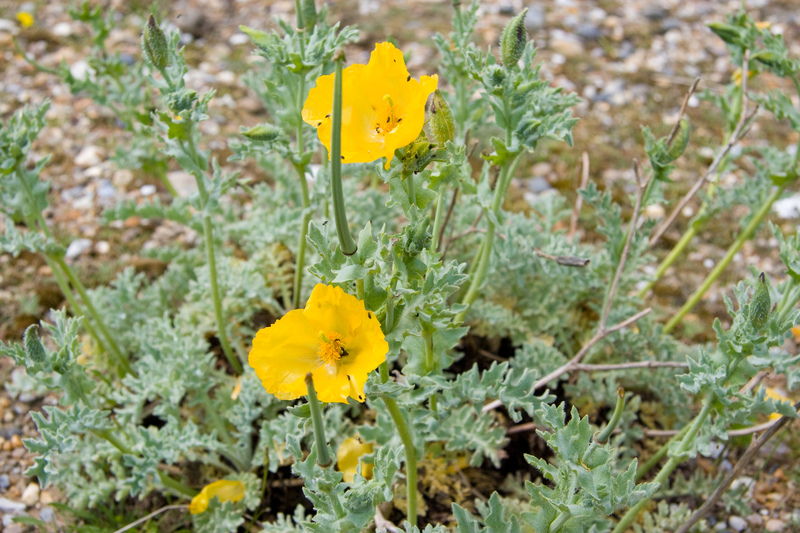
Yellow-horned Poppy (Glaucium flavum) – if you’re going down to the sea this weekend you’re quite likely to step across vegetated shingle. This time of year Yellow Horned-poppy is in flower and it really adds a lovely pop of colour to the beach.
Henri Brocklebank, Director of Conservation:
Limpets (Patella sp.) – I find it fascinating how they completely change their shape based on the environmental conditions; so if it’s very exposed they’ll be less tall so as to allow for a stronger grip on the substrate. It’s very clever.
Rich Black, Senior Land Advisor (Wilder Horsham District):
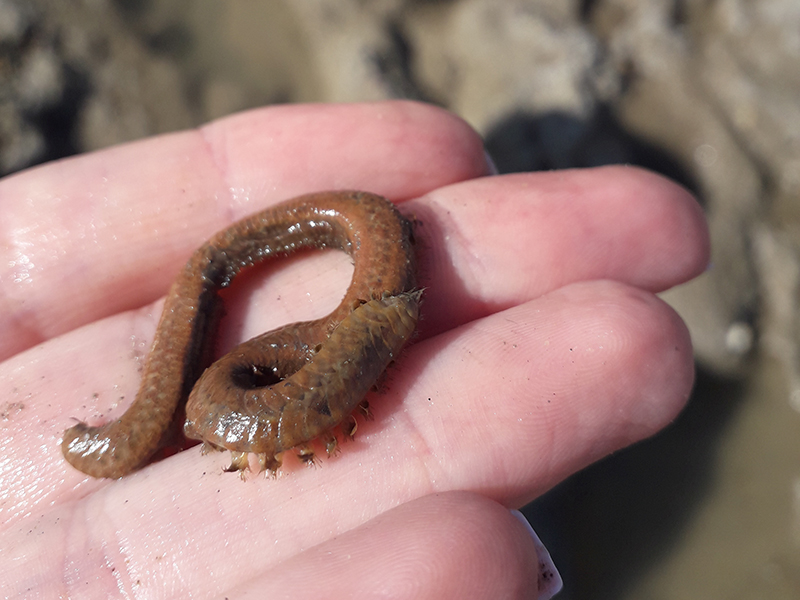
Polychate worms – I like the way they evert themselves to eat, it’s a bit like a scene from Alien!
Matt Phelps, Species Recovery Officer:
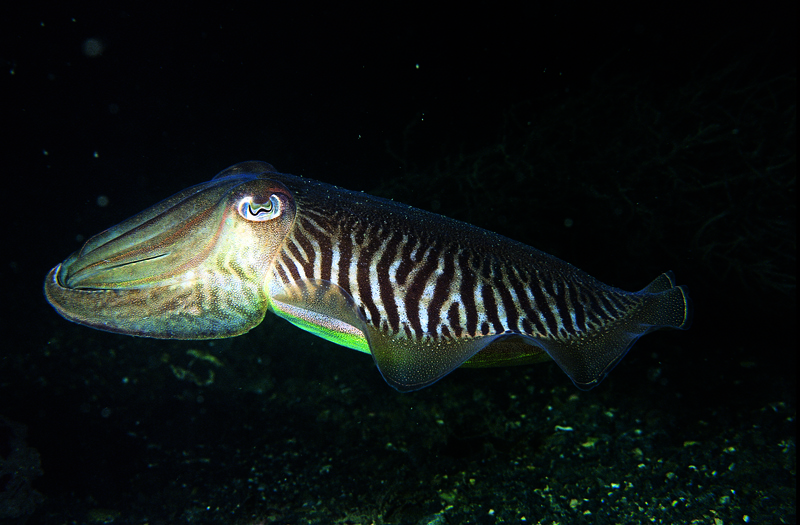
Cuttlefish (Sepia officinalis) – cuttlebones are one of the earliest things I remember finding on the beach and being interested in as a child. It’s cool to find them on the beach and knowing the live animal is in the sea nearby.
Mike Murphy, Wilder Learning Officer:
Boring Piddocks (Pholadidae) because they’re anything but boring. They actually bore into soft rock and live burrow – sometimes you can see the creature if you look in the hole, but more likely you’ll notice the jets of water that spout out of them when you walk nearby – it’s like a water display. Also, the holes created by the Piddock get used by other creatures afterwards, so they create a new habitat.
Sophie Atkinson, Youth Action Officer:
Grey Seal (Halichoerus grypus) – I just love them because they’re so cute. It’s also lovely when you see them banana-ing when they’re hauled out on the beach – this is when they put their head and tail up in the air.
Liz Francis, Business Support Officer:
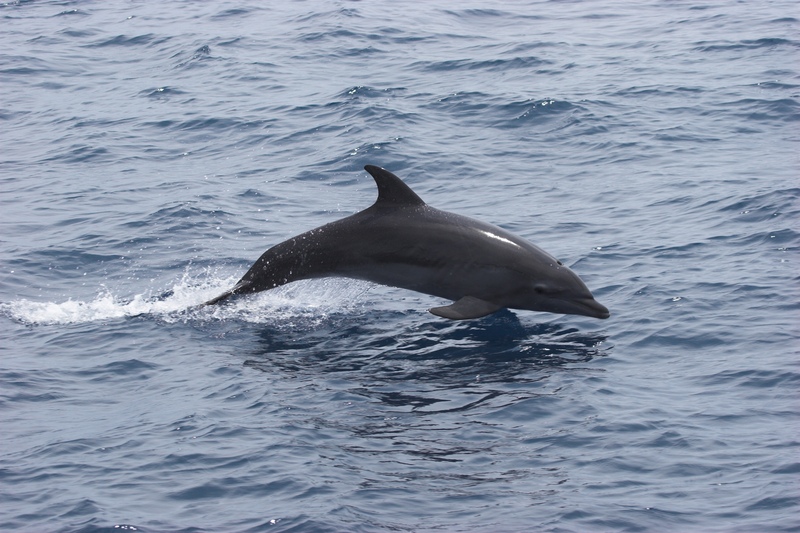
Bottlenose Dolphin (Tursiops truncatus) – I remember seeing them in the Brighton Dolphinarium when I was a child but now have a huge appreciation that they actually live locally in our Sussex waters.
Millie Brand, GIS Officer:
Short-snouted Seahorse (Hippocampus hippocampus) – I was known as ‘Seahorse’ when I was a Brownie leader and the fact that the live in our local waters makes it super special.
Becky Walton, Biodiversity Data Officer:
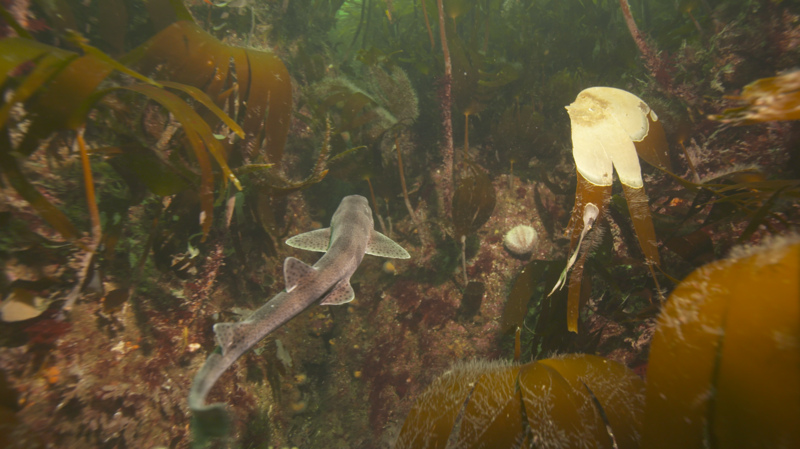
Small-spotted Catshark (Scyliorhinus canicular) – I just think they’re beautiful and I love that they always look a bit chilled and sleepy.
Drew Lawson, GIS Manager:
Bladder Wrack (Fucus vesiculosus) – not something I would encourage these days but I used to love popping the bladders of washed up Bladder Wrack I found on the beach when I was a child. I suppose it was a plastic free alternative to bubble wrap.
Sarah Ward, Marine Conservation Officer:
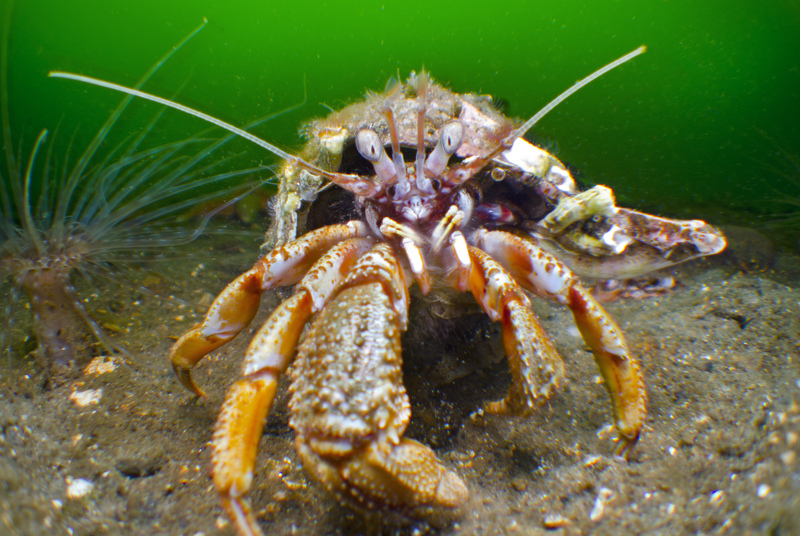
Hermit Crab (Pagurus bernhardus) – I love all crabs but Hermit Crabs have always been my personal favourite. I love how the need to find a shell influences their behaviours, driving individuals to search out (and sometimes fight for) the best fitting shell.
Ella Garrud, Coastal Communities Officer:
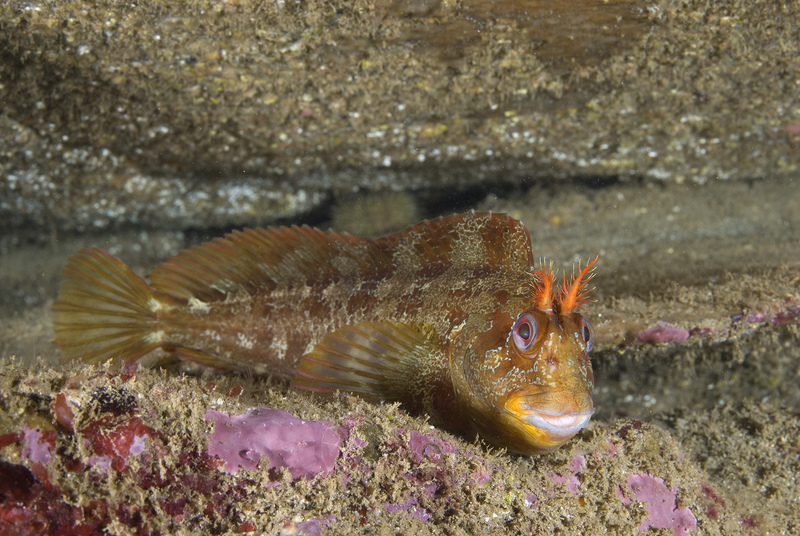
Tompot Blenny (Parablennius gattorugine) - I love their faces, with their big lips and the bright red tentacles on their heads – it’s actually possible to identify individuals from the markings on their faces. They breed from March to June, and the males guard their eggs for over a month. Other fun facts - they have sharp teeth, don’t have scales but instead are covered in a slimy mucus, and they don’t have a swim bladder.