Species whose families aren't always obvious!

Andy Fry
WildCall Officer
Taxonomy – the practice of classifying species – is a complex and confusing science. From the moment you learn that birds are technically dinosaurs, it becomes clear that some species are not quite as they seem.
Slow Worm
Slow Worms represent a classic case of mistaken identity. When uncovering a Slow Worm, one might think they have chanced upon a snake, when in fact it is one of the three species of lizard native to the UK. In evolutionary terms, their loss of legs is completely separate to that of snakes, and came long after snakes first appeared
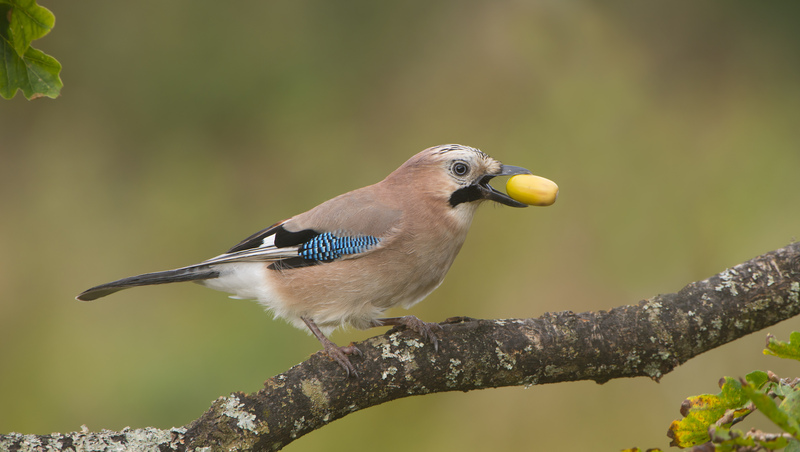
Eurasian Jay
Jays worldwide are known for their colouration, and our native Eurasian Jay is no different, with their brilliant blue patches on their wings. Their colourful feathers make it easy to forget that Jays are members of the corvid family. Just like Crows, Jays exhibit very high intelligence and problem solving abilities, and if you listen closely, they don’t sound too dissimilar from their cousins as well.
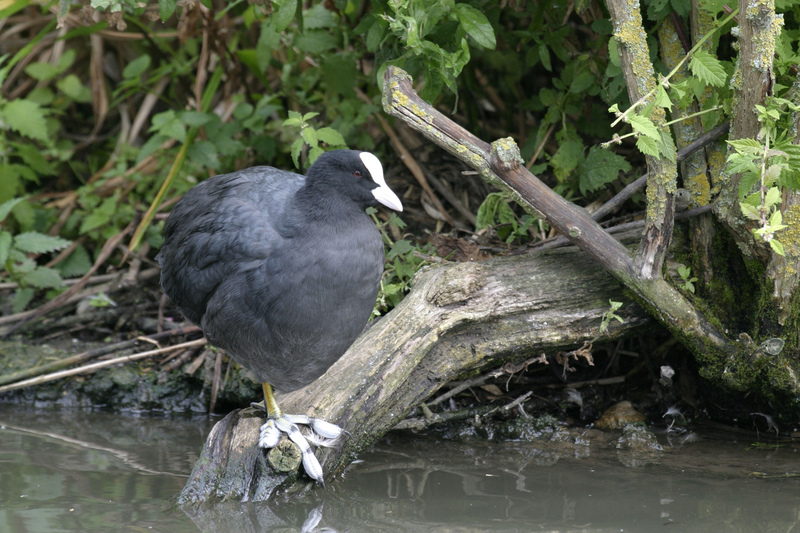
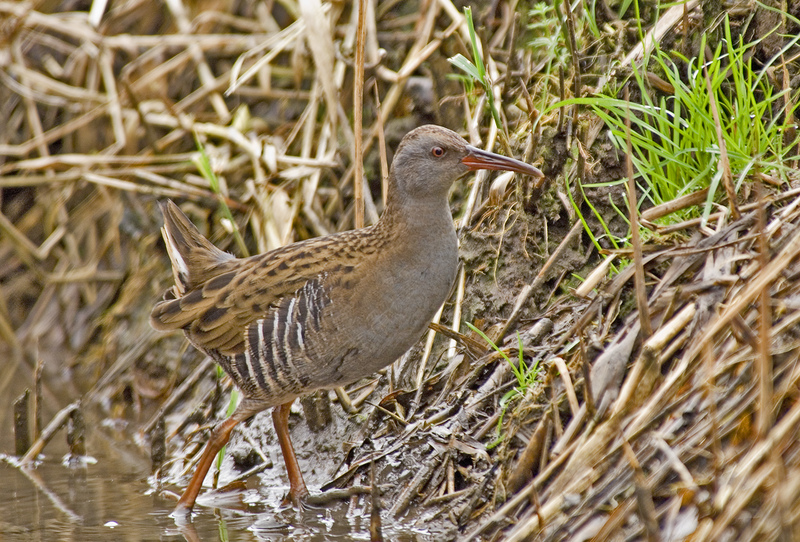
Coot and Moorhen
These birds are mainstays on British ponds, sharing the waters with ducks and geese. Just like ducks, Coots and Moorhens flock, swim, and dive for food. Despite these similarities, their closest British relatives are crakes and rails, from the same order as the Common Crane. Other members of the rail family are usually secretive, more likely to be seen walking through dense vegetation that floating on open water.
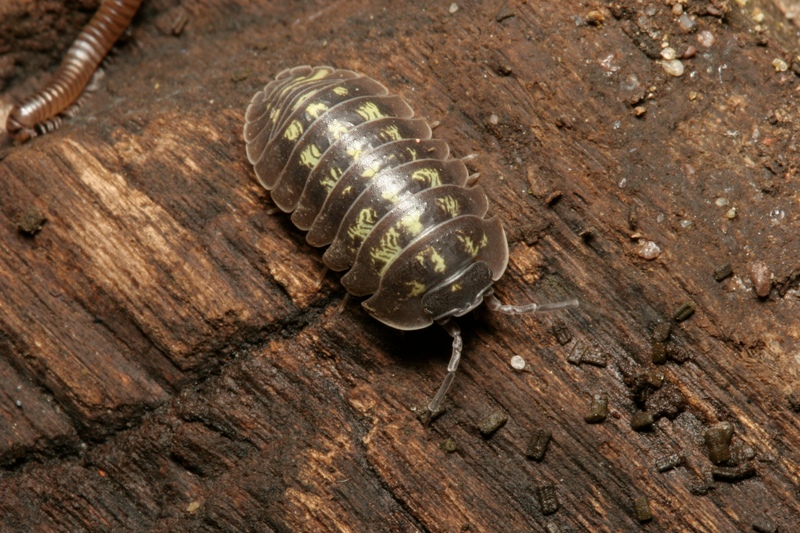
Woodlouse
Woodlice can be seen rooting around in the soil under any log, fitting in with millipedes and other arthropods around them. In context, you’d have no reason to suspect that they are actually crustaceans, with their closest relatives living amongst the silt on riverbeds.