
Some sleepy facts
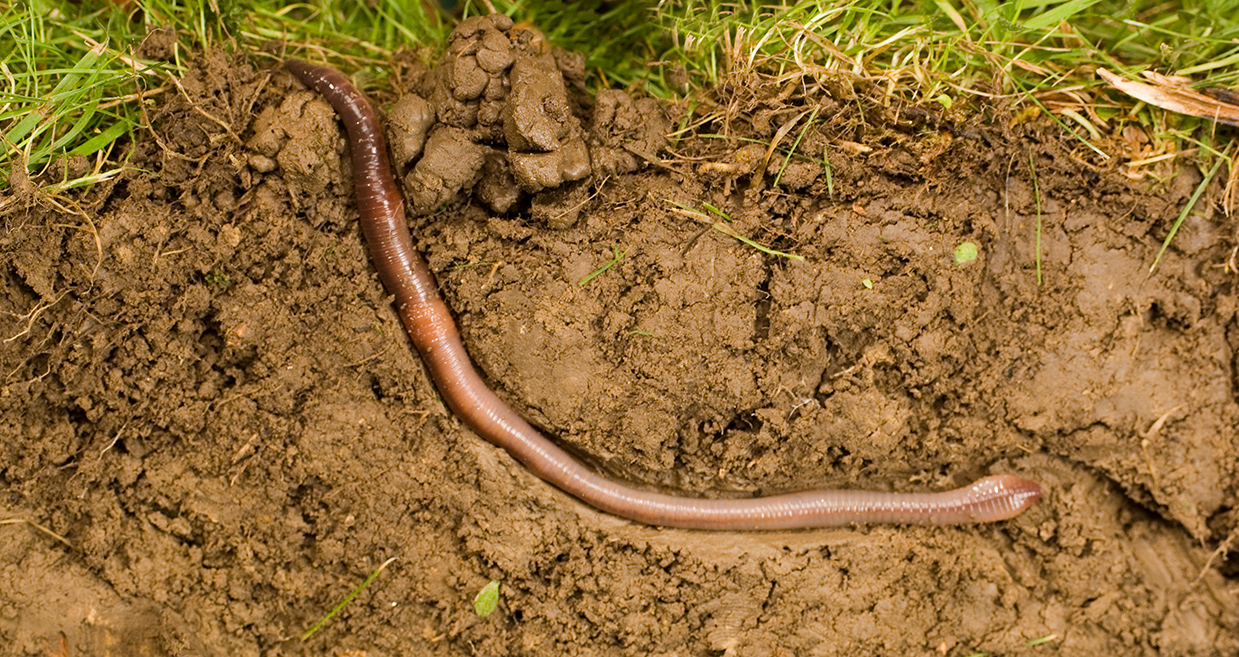
Earthworms
Earthworms don't truly sleep, instead they enter period of diapause when conditions are unfavourable, such as drought or cold soil temperatures. During this period of diapause they curl up into a ball to retain moisture.
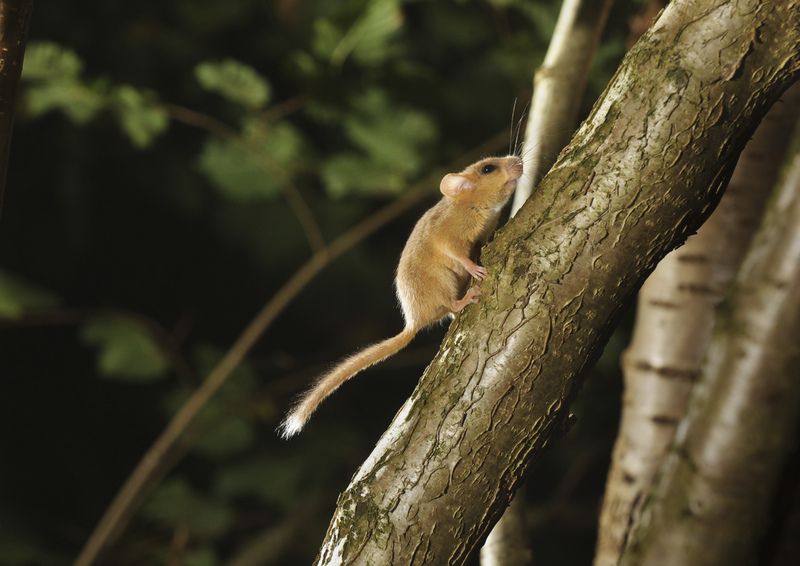
Hazel Dormice
The Hazel Dormouse’s name comes from the French 'dormir' (to sleep). It builds up big fat reserves in the autumn and goes into hibernation sleeping for five or six months through the winter. It drops its body temperature and shuts down its systems during that time. This makes them quite long lived for small rodents living up to five years. Even when they get up in the spring they often go into torpor during the day (a sort of mini-hibernation) being active mostly at night. Dormice like long cold winters, in warm winters they will sometimes wake up too early burning valuable resources when there is no food to be found.
Swifts
Like dolphins, Swifts can “sleep” by switching off one half of their brain, or sometimes both, for short periods, perhaps as they cruise up and down thermals. Except when nesting, Swifts spend their lives in the air, living on the insects caught in flight; they drink, feed, and often mate and sleep on the wing. Some individuals go 10 months without landing. No other bird spends as much of its life in flight.
Large Scissor Bee
Pollen is obtained from buttercups, and in overcast weather torpid males can be found wrapped around the stamens of the flowers - hence its other name of 'Sleepy Carpenter Bee'.