
Sea fruits and veg
Natasha Sharma
Communities and Wildlife Officer
The Wildlife Rangers at Rye Harbour Nature reserve often go out and pick litter to help look after nature at the beach. This month for Marine Week they noticed some fun natural 'alternatives' to the supermarket throwaways that sometimes wash up on our shores and thought to share some of their finds:
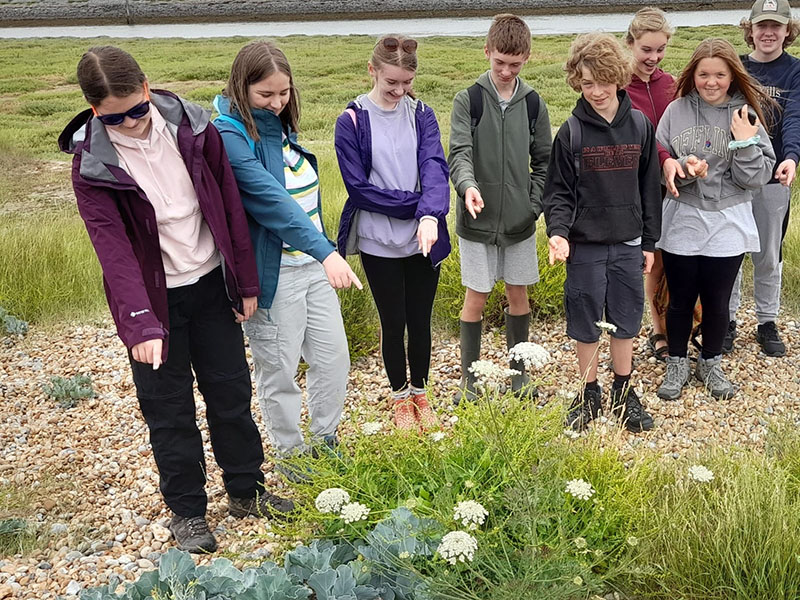
Sea Kale - (main image - which also features Wild Carrot - mentioned below!) has large pale green leaves and white flowers or ball like seeds to help identify it. Just like supermarket kale, this is edible but also a very rare plant due to its habitat (vegetated shingle) being developed on in most coastal environments. It attracts Large White Butterflies, among many other insects.
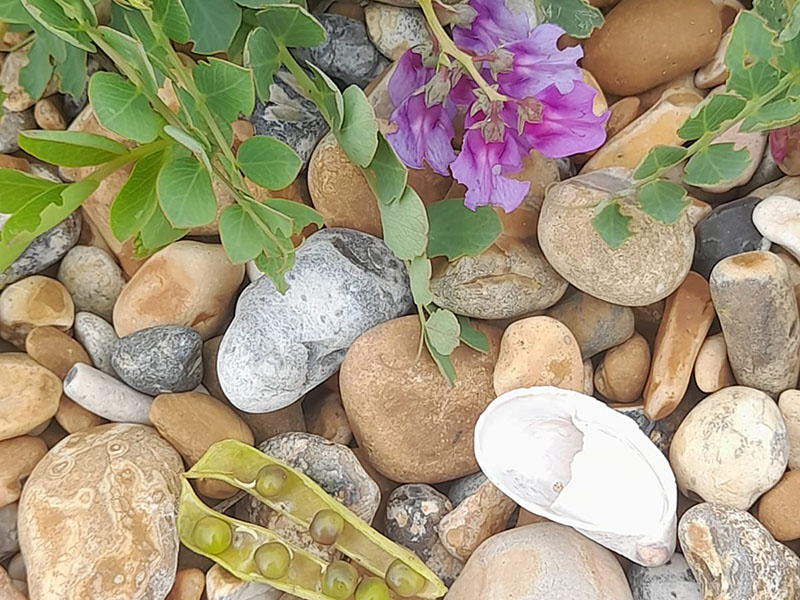
Sea Pea - this beautiful plant produces seeds in pods nearly as big as the peas we eat (though these are not edible to us) and the flowers are loved by bees in June and July. It is also very rare as its habitat is vegetated shingle.
Sea Gooseberries are a small Comb Jelly that were found by us and lots of school groups this summer. Fun was had scooping them up in shells and sending them back out to sea to feed on the plankton blooms that occur in the summer months.
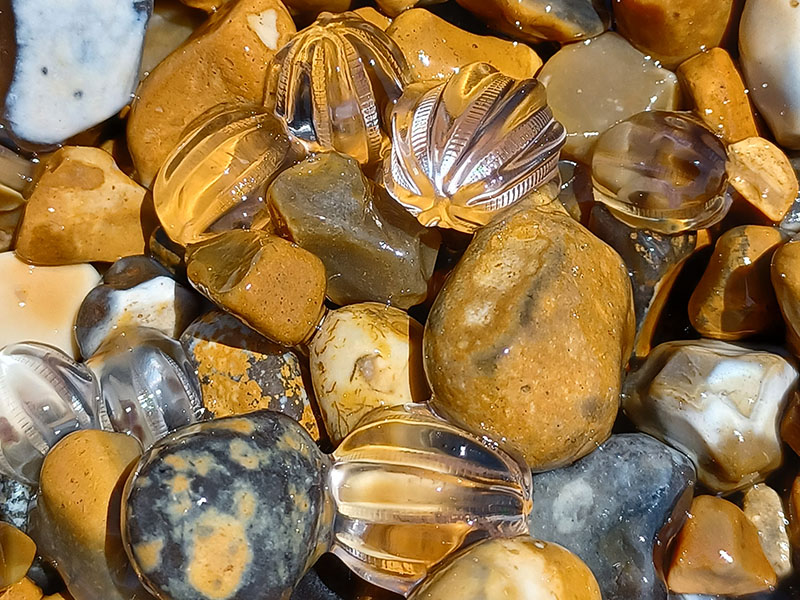
Sea Chervil can give you itchy skin so we were careful not to touch this underwater 'supermarket item'. This is not a herb or seaweed but an animal. Pieces of this sea floor based bryzoan are often ripped up by storms and get washed up on the shore.
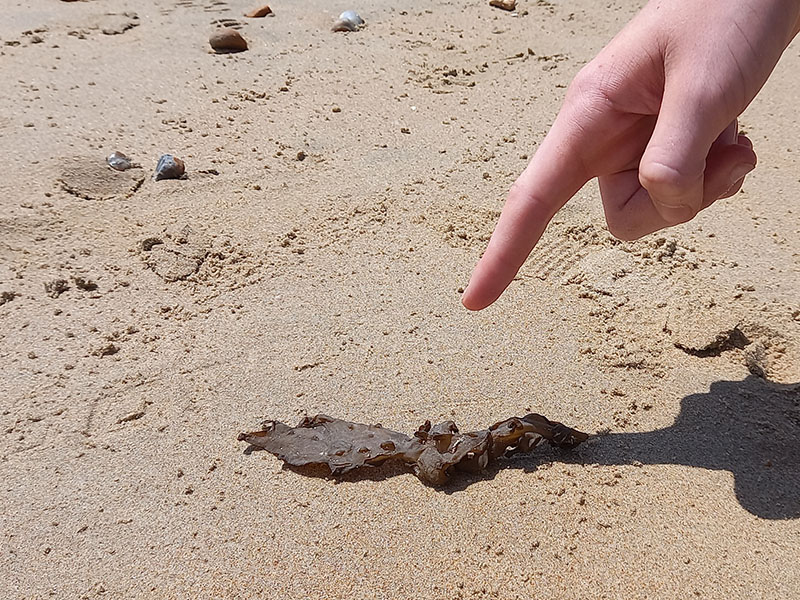
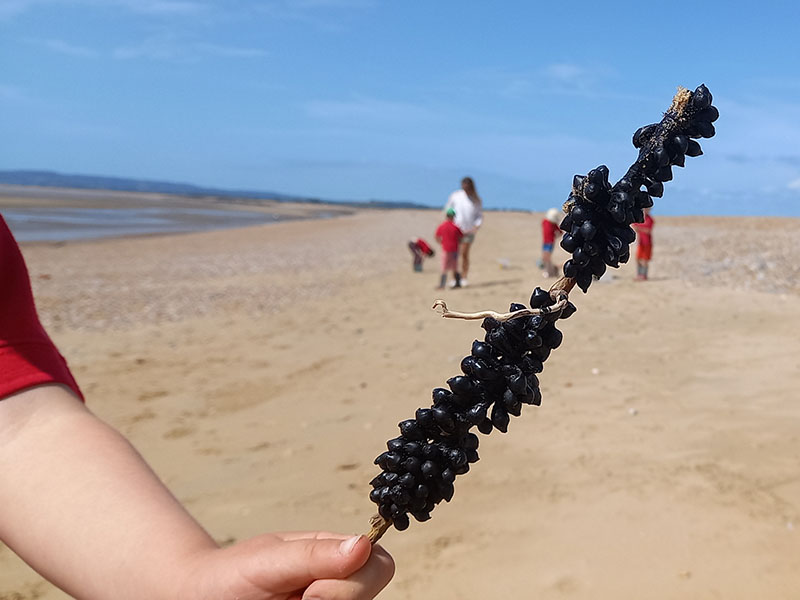
Sea Grapes are Cuttlefish eggs, named because they look so much like juicy black grapes but when we found these we put them back in the sea to continue to hatch into new baby Cuttlefish.
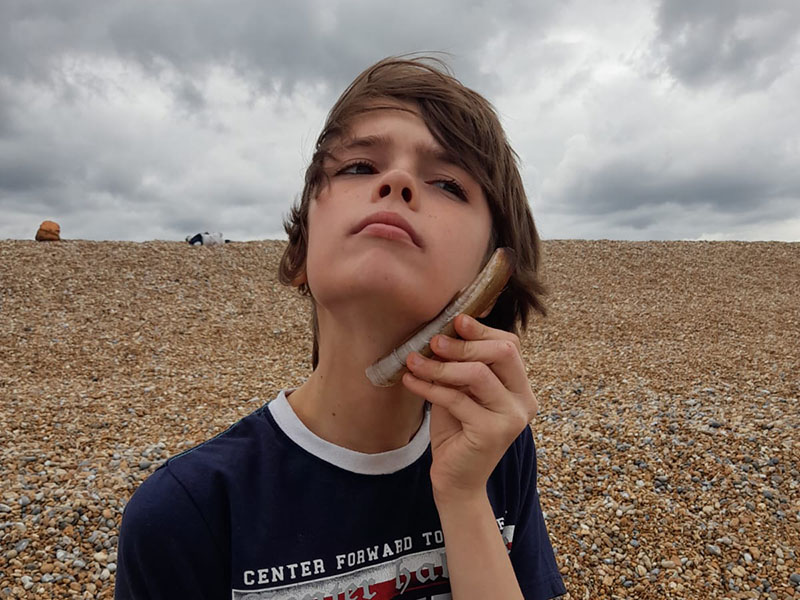
Razor clams are commonly found around sandy areas of shore where they dig into the sand and come out to feed when covered by water. One of our Wildlife Rangers shows how they could be used just like a real razor!
Why not see how many 'supermarket finds' are near you at the sea shore during marine week?
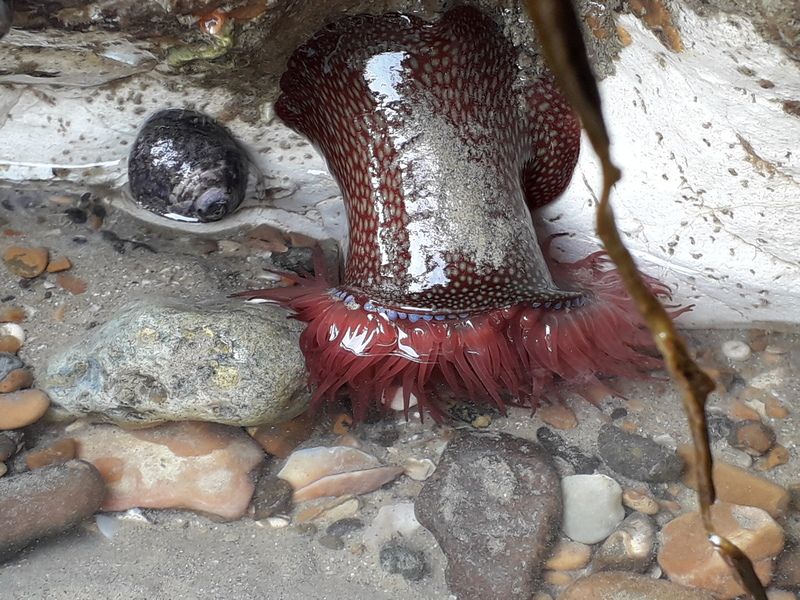
Look out for the colourful red Strawberry Anemone stuck to rocks in rockpools with dots that look just like strawberry seeds.
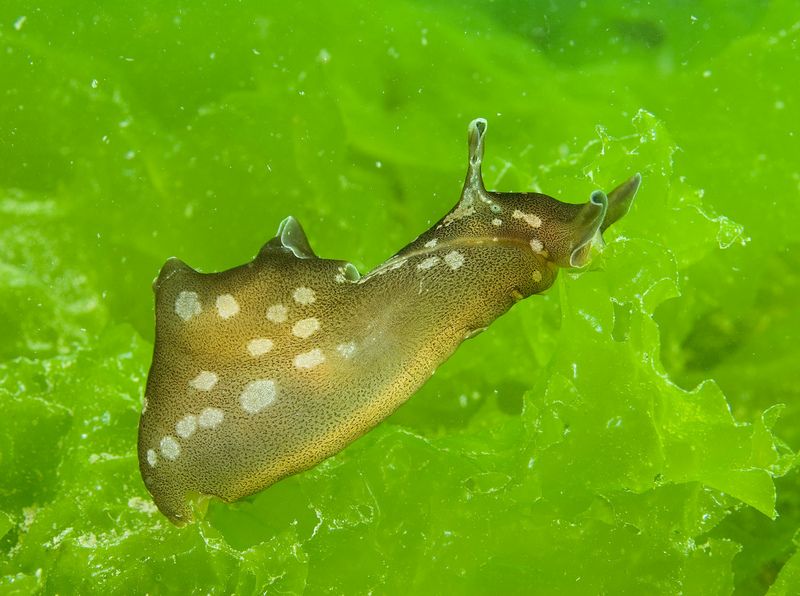
Maybe you can see signs of Sea Lettuce growing in the shallow water when the tide has just gone out or washed up on the shore - flat and bright green with wavy edges, it is as edible as land grown lettuce but with a more salty flavour!
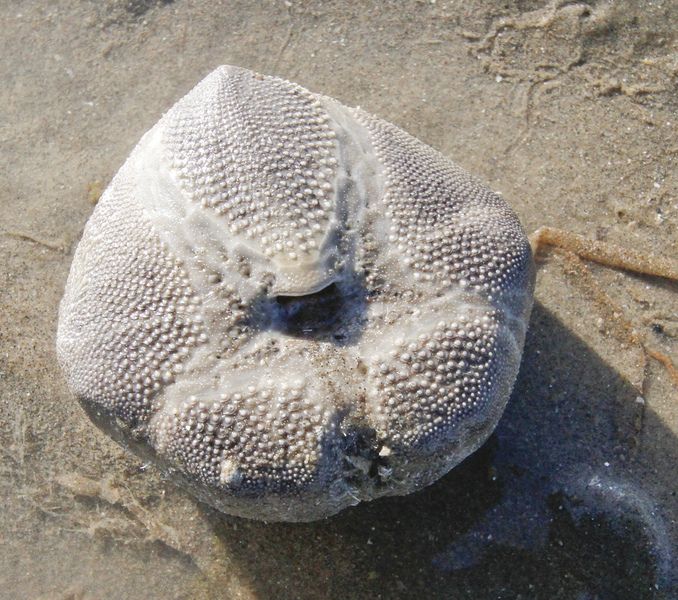
On a really low tide you may also find a Sea Potato an urchin that feeds on rocks in the middle to lower shore. The feet or spines of this animal look like hair as they are very fine. Sometimes like us you only find the test (a heart-shaped skeleton of this urchin) washed up on the shingle shore.
Wild Carrot: (main image) Wild Carrot does, indeed, smell of carrots, but the roots are not like our cultivated, dinnertime favourite. Look for this umbellifer on chalk grasslands and coasts.
These are real treasures of the sea and its so nice not to have to collect them up and throw them away responsibly as they're all natural parts of the ecosystem we love to explore.
Comments
A brilliant article with superb illustrations. The photographer should be credited.
27 Jul 2023 14:17:00
Sussex Wildlife Trust:
Hi Margaret. Glad you liked it. The photos are credited underneath each one - there are several different photographers
A few words on Sea Carrot, as it’s in your main pic? Thanks.
A great piece & great pics.
27 Jul 2023 21:54:00
Sussex Wildlife Trust:
Ah, it's 'wild' rather 'sea'! Our mistake, now corrected. Something on Wild Carrot now added at the bottom 😀
Wonderful photos of unusual sea life. I shall keep for reference!! Thank you .
28 Jul 2023 05:03:00
I enjoy these articles very much. Fun and informative.
This one and the one on butterflies especially.
Would an identify the thing in the photograph feature be an idea?
I found a big grub in the root of a tree and would love to know what it is.
29 Jul 2023 16:37:00
Sussex Wildlife Trust:
Hi Dominic, you might enjoy our Nature Table Facebook Group, people share lots of photos of wildlife they have spotted in Sussex. It is also a friendly group and members try to ID mystery creatures. Click here to see the group
A very interesting article, with some amazing photography. Thank you
02 Aug 2023 07:44:00
When you write Cabbage White butterfly in your first paragraph, do you mean Large White?
Lovely amusing outreach article with a super collection of photos. Great to see.
04 Aug 2023 05:51:00
Sussex Wildlife Trust:
Yes we do! We will amend. Thank you.
Awesome article and photography. Learning what ecology is on the beach is so important, especially guiding us to return certain things to the sea to protect it.
03 Aug 2024 08:01:00