
Rye Harbour Saltmarsh v.2
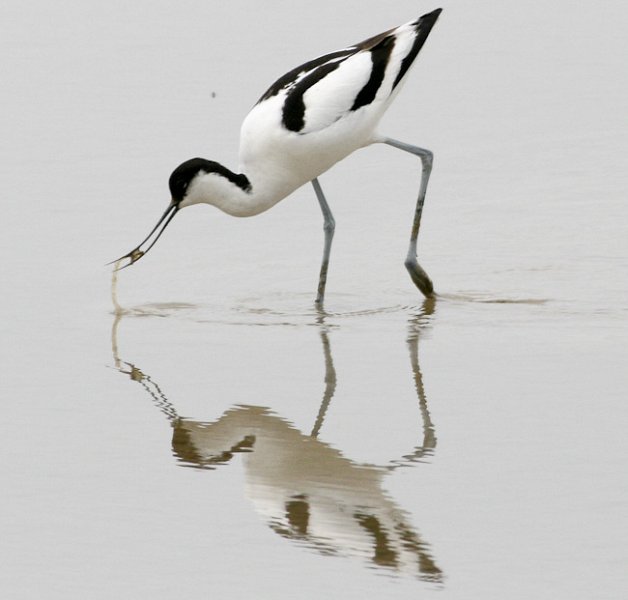
A visit to Rye Harbour Nature Reserve is now a spectacular wetland wildlife experience, with thousands of waders and ducks in winter and thousands of nesting gulls, terns, waders and ducks in the summer. Last year 41 pairs of avocet nested!
But this is a recent improvement in which the Sussex Wildlife Trust has taken a major role.
The once extensive saltmarsh habitat of the Rother estuary around Rye has been dramatically reduced from perhaps 500ha. to just 50ha. by the end of the 20th century. It had been easy to put up earth banks and create grazing and arable land and also places for man to live and work. But in the summer of 2011 17.5ha of saltmarsh was recreated by the Environment Agency as part of a sea defence project at Rye Harbour Nature Reserve and this now forms part of the land leased to and managed by Sussex Wildlife Trust. Monitoring the changes from arable fields to recovering saltmarsh habitat takes many forms, counting plants and birds, trapping insects, measuring water levels and sediment.
Five years of counting plants in quadrats across the new saltmarsh - showing just the four most common species.

But visually the Google Earth images show great changes - especially using the Historical Imagery function.
2015 image - notice how in the centre of the image the creeks are trying to get back to their original shape (see 1940 image below)

2011 image - newly created saltmarsh creeks before the new culvert was constructed.

2008 image - new sea defence constructed (pale line top left) using material from farm (2 large pits top right) The pits had to be filled in, a new saltmarsh creek network constructed and a new culvert created to enable the saltmarsh to develop.

1940 image - the land had been protected from the sea, but the sheep grazing still showed the saltmarsh creeks. These were late filled in with domestic rubbish and then filled to enable arable farming from 1977- 2003.

... and this is what it looks like now! Come and see it for yourself soon.
