
Rye Harbour Nature Reserve Wildlife Sightings: September 2025
David Bentley
Volunteer & Trustee of the Friends of Rye Harbour Nature Reserve
The early part of September was showery, but high pressure built to give a generally settled and warm second half.
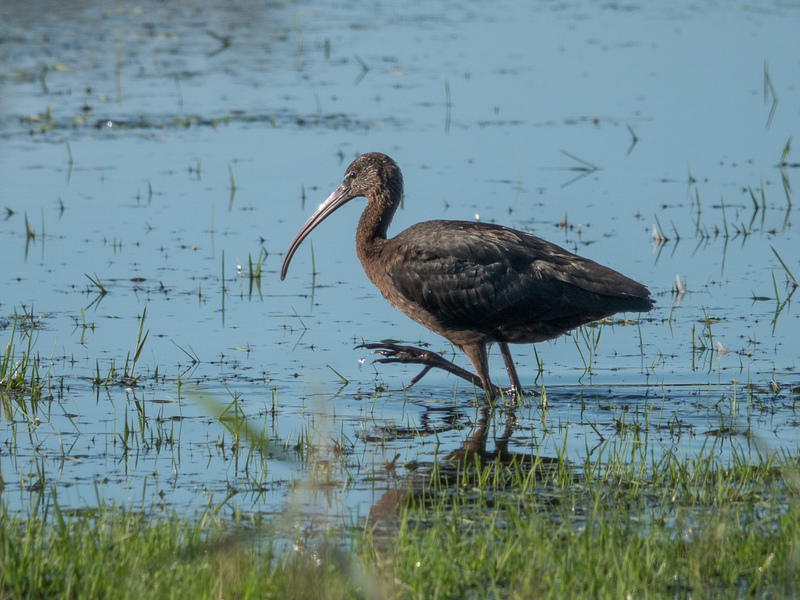
September will be remembered by UK birders for the unprecedented numbers of Glossy Ibis, with in excess of 600 birds recorded nationally. Rye Harbour had its fair share, with sightings on six days in the month, including 17 from the Discovery Centre on the 6th, and ten at Castle Water on the 24th.
As October starts there are still quite good numbers of Glossy Ibis spread across the country, so keep an eye out for this striking bird. In the air they superficially resemble slightly-built Cormorants, but with delicate necks, long down-curved beaks and purple, copper and green-tinged plumage.
It seems likely that these amazing numbers of Glossy Ibis might soon become 'normal'. There have been large increases in Iberian and French breeding populations recently, accompanied by a gradual expansion north.
The first Spoonbills of the autumn were recorded with two at Flat Beach on the 10th and one at Castle Water on the 22nd.

There was an exceptional count of 22 Great White Egrets at Castle Water on the 25th!
Osprey sightings continued, with single birds noted on five dates in the month. Hobby numbers peaked on the 5th, with four birds at Castle Water.
September proved to be a good month for wader-lovers, starting well with three Little Stints at Castle Water on the 4th.
A large group of over 180 Ringed Plovers were roosting at the Beach on the 5th.
Curlew Sandpiper is a scarce and popular wader in the autumn; three were at Castle Water on the 8th and two on Flat Beach on the 14th.
Other waders spotted in small numbers were Ruff, Wood Sandpiper, Greenshank, Bar-tailed Godwit and the first Spotted Redshank of the season on the 22nd.
One of the marvels of Rye Harbour is the wintering flock of Golden Plovers. The first returning birds appeared this month, with 42 at Flat Beach on the 21st. The first Brent Geese were noted offshore, heading west, towards the end of the month.
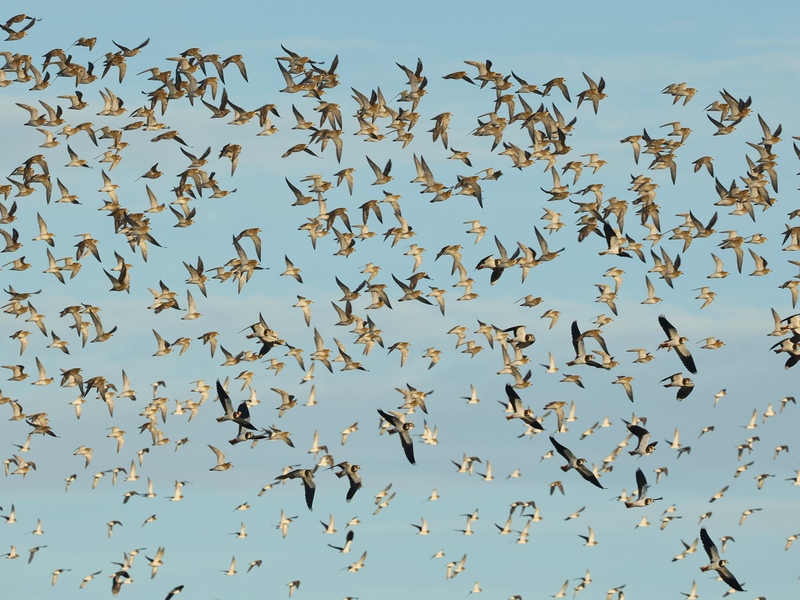
September heralded the first substantial arrival of winter wildfowl with 19 Pintail on Flat Beach on the 24th and ten more at Castle Water on the 29th. There were 120 Wigeon at Castle Water by the 24th.
The only Black Tern of the autumn so far was at Castle Water on the 17th and the first Black Redstart of the autumn was seen near the River Mouth on the 23rd.
A few Arctic Skuas hunted off the beach towards the end of the month and 18 Mediterranean Gulls were seen at the River Mouth on the 27th.
12 Wheatear at Castle Water on the 5th and over 20 around the River Mouth on the 30th were nice. There were four Whinchat and a Common Redstart in scrub near Salt Pool on the 14th. A Firecrest was in the Wood on the 27th and a Spotted Flycatcher by the Halpin Hide at Castle water on the 29th.
Six Grey Partridge on the 6th and 11 Bearded Tits on the 19th, both at Castle Water, were good counts.
There were many hirundines throughout the month, with 850 Sand Martin at Castle Water and 150 at Long Water on the 17th, for example.
As the end of the month approached numbers of overhead migrants grew with passing flocks of Siskins, Linnets and small numbers of Yellow Wagtails. On the 24th over 500 grounded Meadow Pipits were on grassland around Camber Castle.
There were several sightings of Stoats and Common Lizards. Ivy Bees appeared in good numbers as Ivy came into flower at the start of the month.
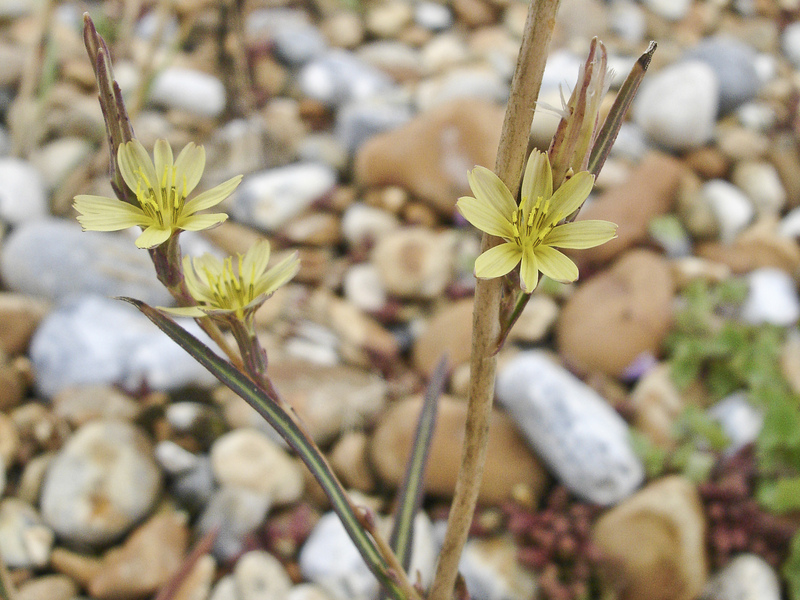
Plants in flower included Common Fleabane and Sea Aster, and it was unusual to see the rare Least Lettuce flowering right until the end of the month.