
Rye Harbour Nature Reserve Wildlife Sightings - October 2023
By Paul Tinsley-Marshall
Site Manager of Rye Harbour Nature Reserve
October was very much a month of two halves, with parts of England and Wales basking in the hottest October weather in five years, with highs of nearly 26 degrees Celsius. By the middle of the month, a very much more typical feel to the weather was evident, and autumn had certainly arrived.
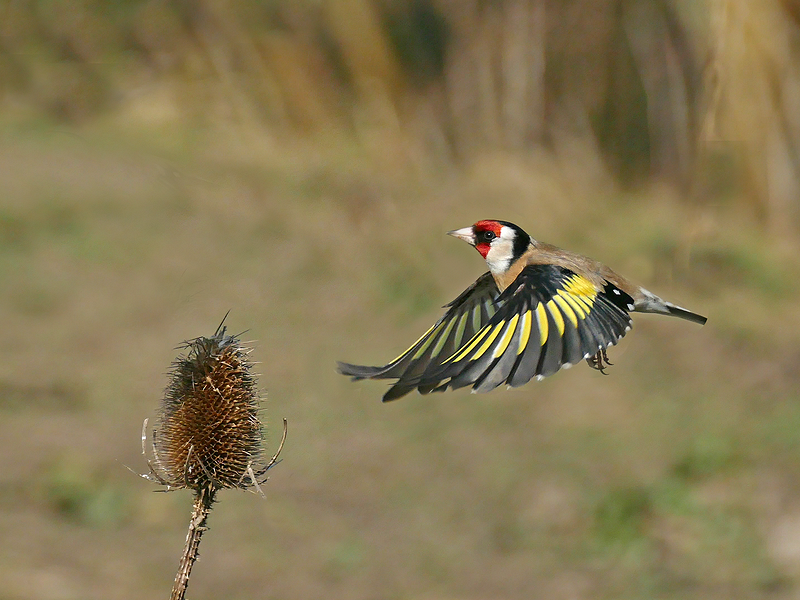
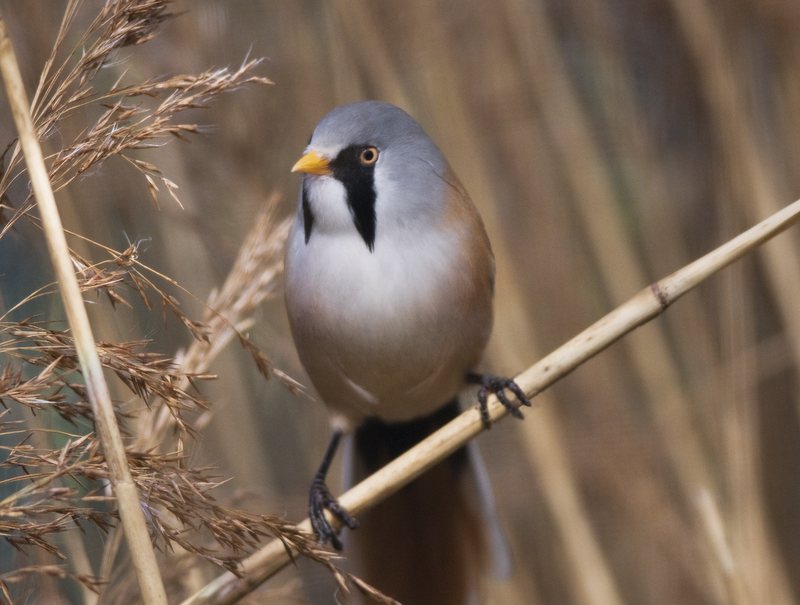
There have been numerous finches noted on passage over the month with Siskin and Goldfinch in particular being noted in large numbers. On the Beach Reserve large flocks of Linnet, Reed Bunting numbers building up, and the odd Wheatear still passing through, and Avocet (two), and Pintail (three) were seen on Flat Beach. Meadow Pipits and Skylark have been scattered across the saltmarsh, Bearded Tit noted in the reed beds and eight Stonechat were seen. Swallow, House Martin, Chiffchaff, Redpoll continued to pass through overhead and a couple of large movements of House Martin locally included one instance on the reserve.
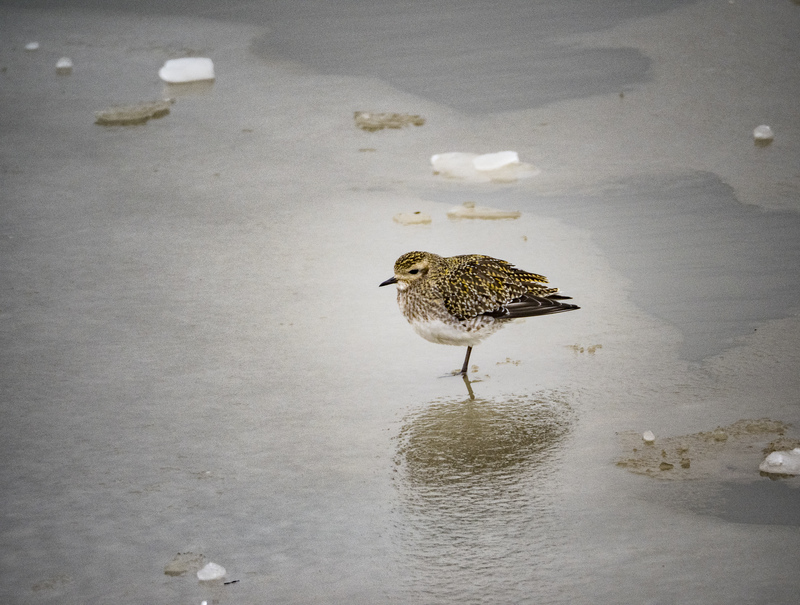
Little Egrets continue to be ubiquitous around the gravel pits and saltmarsh channels, Great White Egret (three) were at Castle Water, and Spoonbill were reported occasionally. The first of the season’s Golden Plover have arrived and joined the Lapwing, and numbers of ducks and geese are on the up with a particular increase in Wigeon, as well as Shoveler, Teal, Gadwall and Canada Goose which were joined by a pair of Garganey on Castle Water. Many of the male ducks have now completed moulting through their eclipse plumage and are looking very smart. Greenshank and Green Sandpiper were noted, Curlew could be heard calling throughout the month, and Snipe are becoming increasing abundant too. Coal Tit was a more unusual sighting at the Reedbed Viewpoint, and it’s been lovely to hear a few birds singing again; Cetti’s Warbler, Robin and Wren have been heard, being species that defend a winter territory as well as a breeding one. Rock Pipit should be appearing around the saltmarsh and river mouth, but none have been reported at the time of writing.
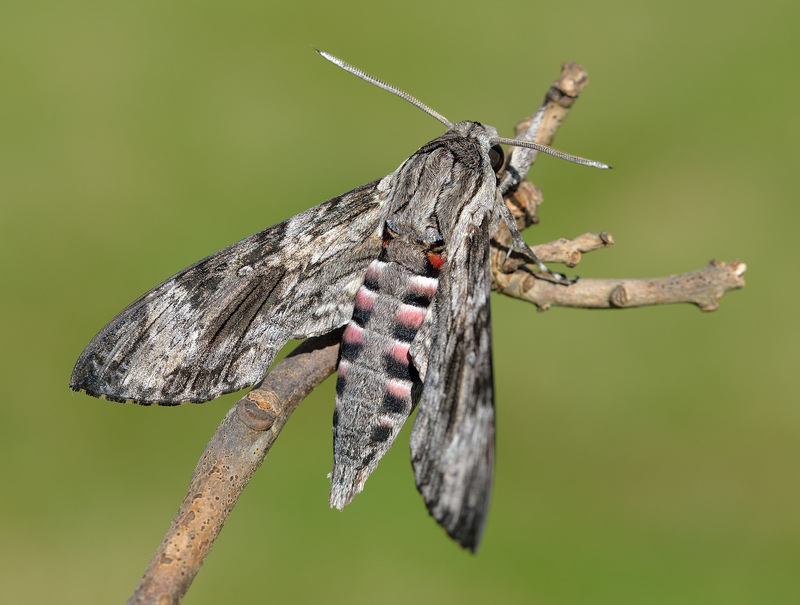
The occasional Red Admiral, Small Tortoiseshell and White spp. have been seen on the wing in the late Autumnal sunshine and disturbed from their proposed overwintering locations. In the moth trap a Convolvulus Hawkmoth was a clear highlight, a few Black Rustic which has an almost coal-like sheen, the suitably seasonally-named Autumnal Rustic, Lunar Underwing, Barred Sallow, Pink-Barred Sallow and Brimstone were among the species recorded this month. Also worth a mention from the very end of September as it slipped between the copy deadline for last month’s report and the beginning of October, was a Clifden Nonpareil found on the Halpin Hide.
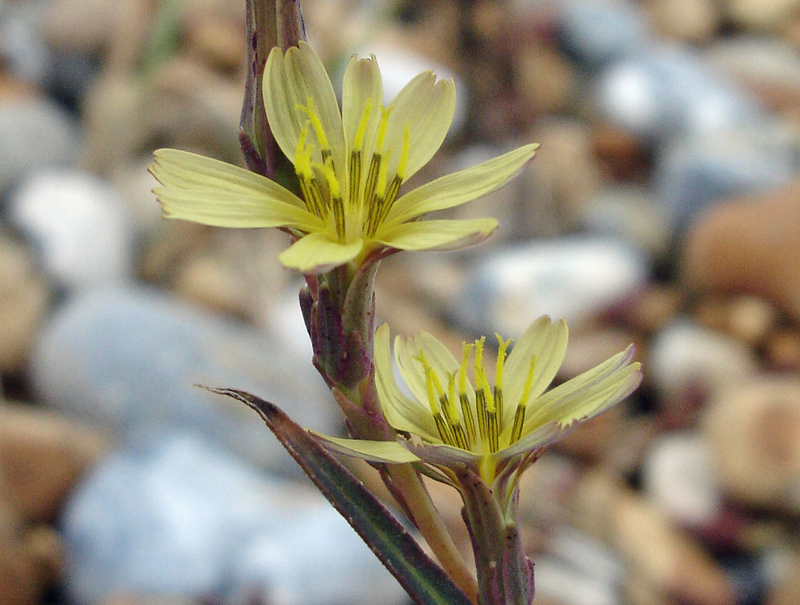
Least Lettuce was still flowing on the Beach Reserve on the 14th, along with the more typical sight of Sea Aster, Sea Purslane and Sea Wormwood flowering in the saltmarsh.
If you have spotted something interesting on the reserve, please do make a record via https://irecord.org.uk/ and if you think it is particularly significant do please let us know at [email protected].
Comments
Great write up Paul – many thanks. Hoping to visit this week if we get better weather following Ciaran!
03 Nov 2023 08:54:00
Do moth-traps contain any food for the moths? I ask because it occurs to me that moths caught early on during the night would otherwise be denied a night’s feeding .
03 Nov 2023 12:28:00
Sussex Wildlife Trust:
No, moth traps usually only contain a light source and material for the moths to rest one. Traps are checked early in the day, the moths are released as quickly as possible once they have been identified so not cause harm to moths