
Rye Harbour Nature Reserve Wildlife Sightings: February 2024
By Paul Tinsley-Marshall
Site Manager, Rye Harbour Nature Reserve
According to provisional Met Office statistics, England had it warmest February on record in what was a mild and wet month generally. The average temperature of 7.5°C topped the previous record of 7.0°C set in 1990. It was also a wetter than average month, with the south of England experiencing its wettest February since the series began in 1836. There was also a lower sunshine duration than average and it was especially dull across Sussex.
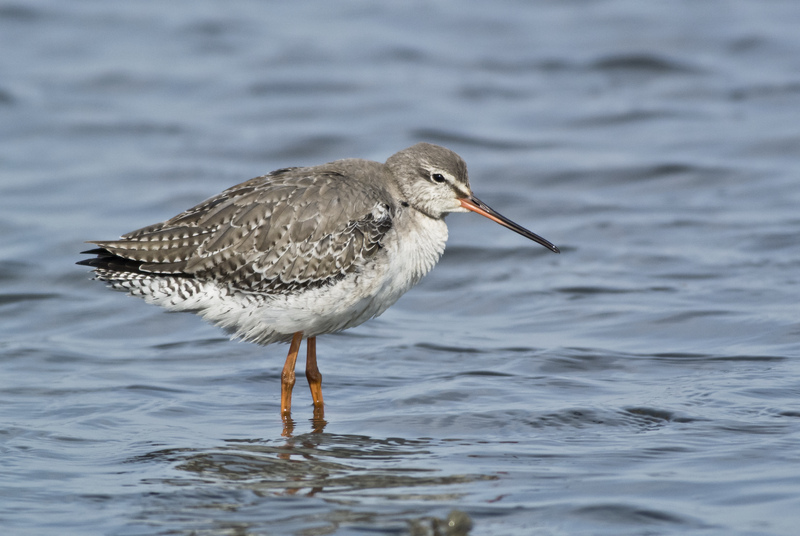
Counts of duck on the reserve included Shoveler (301), Gadwall (284) and Pintail (160+) on Flat Beach. The Spoonbill was present on the 12th but was not reported again this month. A single Spotted Redshank was reported on Salt Pool on the 11th, 15th and 28th. Numbers of Avocet started to increase with a high count of 32 on the
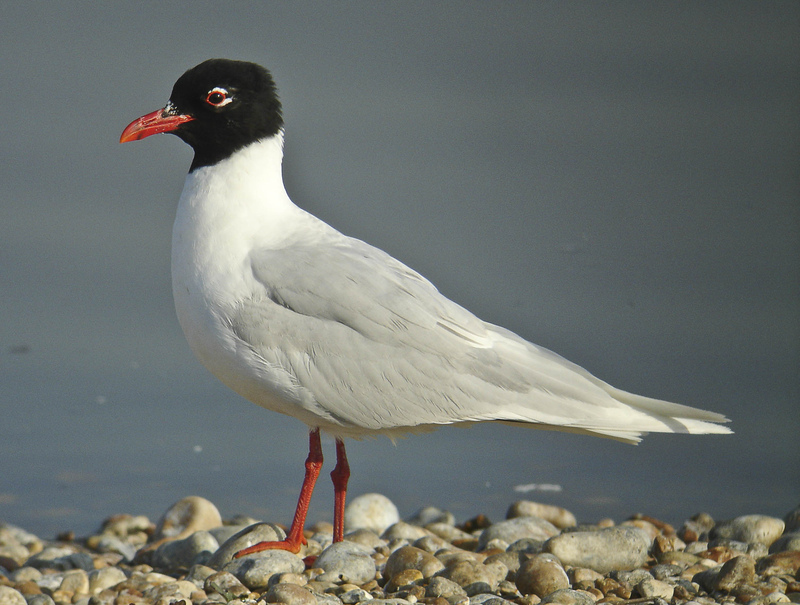
Saltmarsh on the 25th, Golden Plover (200-300) and Curlew (30+) were on Flat Beach. The latter were frequently also seen feeding on top of the flood bank from The Ridge. Mediterranean Gull and Black-headed Gull numbers began to build up around the Ternery Pool colony and small numbers of unfortunate Guillemot and Razorbill were found apparently oiled and washed up on the beach on the 23rd, while others were reported along the Kent and Sussex coast. Information up-to-date at the time of writing suggested that references made to Polyisobutylene (PIB) being the contaminant were misleading, and that there was nothing specific to this incident that would specifically suggest PIB, other than precedent whereby PIB was confirmed to have impacted a number of seabirds in the UK in 2013.
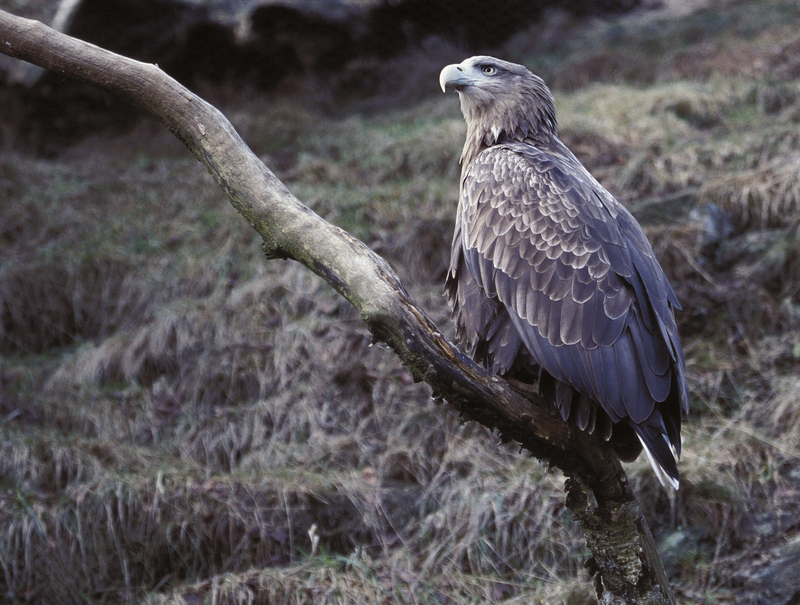
The raptor highlight of the month was a White-tailed Sea Eagle circling over Harbour Road, heading down-river and east towards Dungeness on the 19th, while Red Kite (2) over the Royal Military Canal at Pett Level may well have passed unobserved into the reserve airspace. A Barn Owl was heard screeching over Nook Meadows on the 1st and the usual Peregrine, Kestrel and Marsh Harrier were seen regularly. Water Rail and Little Grebe could be heard frequently in the likely places. A Black Redstart was between the Discovery Centre and Gooder’s Hide on the 9th, Bearded Tit could be heard pinging along Nook Drain and Stonechat continued to be recorded in various locations. On some days there was a real feel of spring in the air with the first Chiffchaff reported singing on the 18th and Dunnock, Chaffinch, Song Thrush and Skylark all finding their voices again this month. Winter thrushes were still present with Fieldfare noted towards the end of the month.
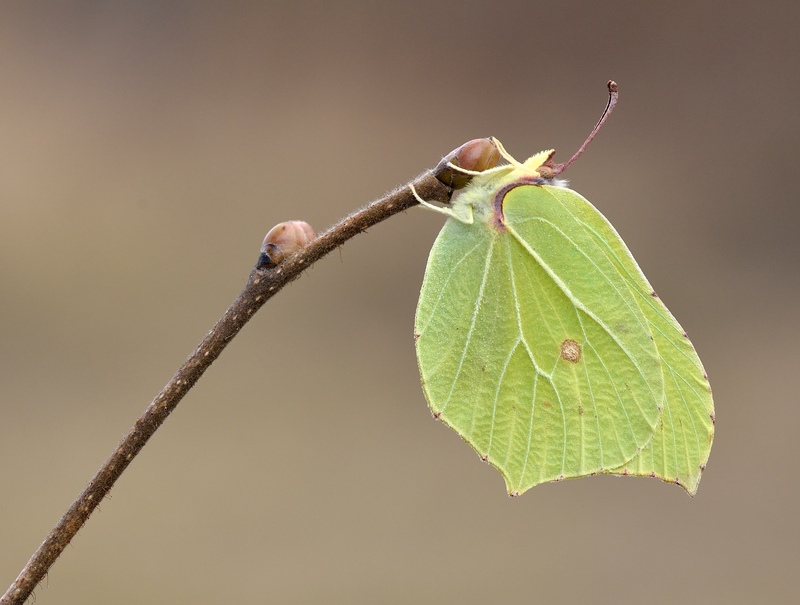
A Common Seal hauled up on the riverbank provided interest to viewers from the Discovery Centre. A Mottled Shieldbug was found at Watch Cottage and a Brimstone was seen on Nook Road, both on the 16th. Peacock butterflies were disturbed from hibernation inadvertently and bumblebees of unidentified species were seen on warmer days. Common Whitlowgrass, Red Deadnettle, Common Daisy and Common Gorse were in flower.
Thanks go to all the observers who contribute to the monthly sighting reports. If you have spotted something interesting on the nature reserve, please do make a record here and if you think it is particularly significant please let us know at [email protected].
Notes:
Comments
How wonderful that a sea eagle was sighted.
Love the newsletter. THANK YOU.
15 Mar 2024 01:22:00