
Rye Harbour Nature Reserve Wildlife Sightings: August 2024
By David Bentley
Volunteer and member of the Friends of Rye Harbour Nature Reserve
There was a very warm start to August, but it cooled towards the end of the month. Overall it was fairly typical, but with slightly less rainfall than average.
There were several sightings of Osprey, as these impressive birds of prey move south on migration, likely heading for west African countries such as Senegal and Gambia. One was recorded at Castle Water on the 11th, another over Nook Meadows on the 24th, with possibly the same bird seen again the following day.

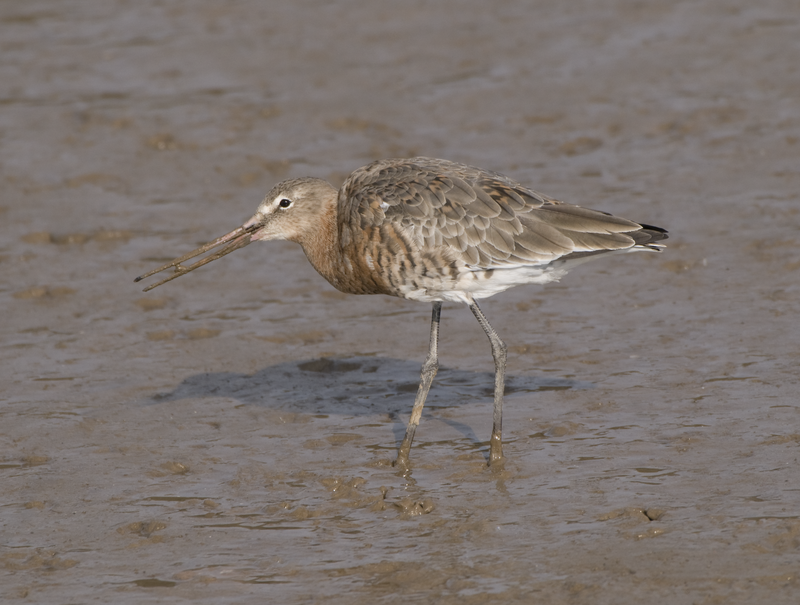
After a quiet spring passage at Castle Water, the water levels had dropped sufficiently to reveal the islands and shorelines necessary to attract waders this autumn. Green Sandpiper and Common Sandpiper were seen throughout the month as were up to two Ruff, five Black-tailed Godwit and small numbers of Greenshank.
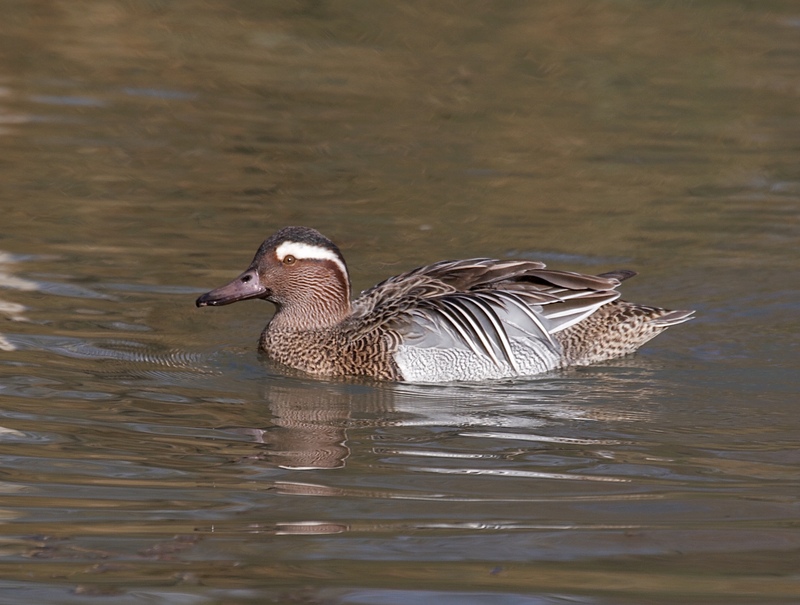
Garganey is the UK's only summer migrant duck and breeds across the country in small numbers. Autumn birds can be tricky to spot in their 'eclipse' plumage, but the overall impression differs from the similar-sized Teal in a number of ways including having a longer body and beak and a somewhat low-slung appearance. There are also subtle, but key, differences in plumage. Three Garganey were seen at Castle Water on the 11th with two more on the 16th.
Three species of egret were seen throughout the month at Castle Water with 13 Cattle Egret on the 17th. A Wood Sandpiper was seen from the Halpin Hide on the same day. A Pied Flycatcher is a lovely autumn migrant sought out by all birders; one was seen near the southern end of Castle Water, also on the 17th.
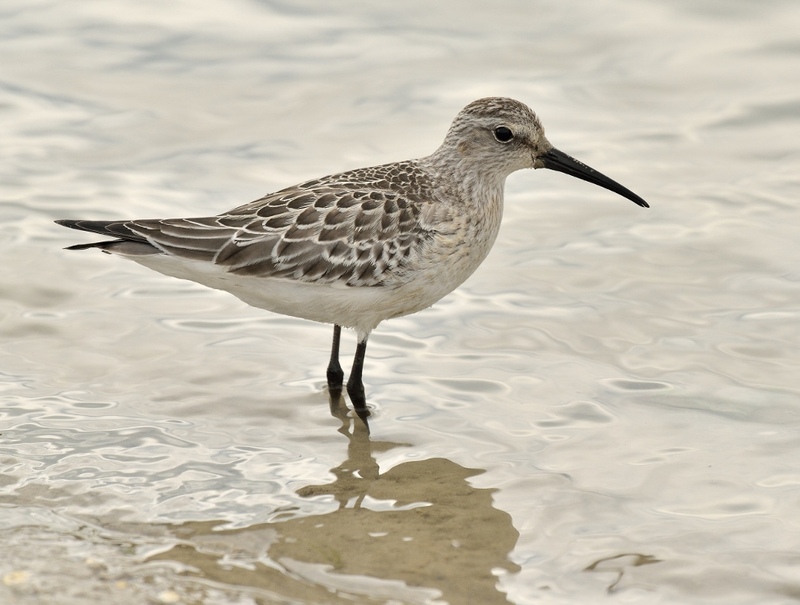
Flat Beach also hosted some interesting autumn migrants, notably 2 Curlew Sandpiper and 58 Ringed Plover on the first day of the month. The Curlew Sandpiper is superficially similar to Dunlin, but has longer legs, a longer more curved beak, a more elegant impression and in flight, shows a striking white rump. There were impressive numbers of two other species at Flat Beach on the 1st - 300 Sandwich Tern and 42 Little Egret.
There don't appear to have been too many Hobby sightings in the Rye area this summer, so it was good that one was seen from the Halpin Hide on the 23rd, when at least five Wheatear were also present. A juvenile Black Tern was a welcome sighting at Flat Beach on the last day of the month. The Greenshank - the 'Queen of the Waders' - is a beautiful bird and August is perhaps the best month to find one at Rye Harbour; four were present at Ternery Pool on the 5th. With White Stork breeding and release programmes not far away, sightings of these enormous birds will become much more frequent very soon. This month a single bird was seen on the 17th and 18th.
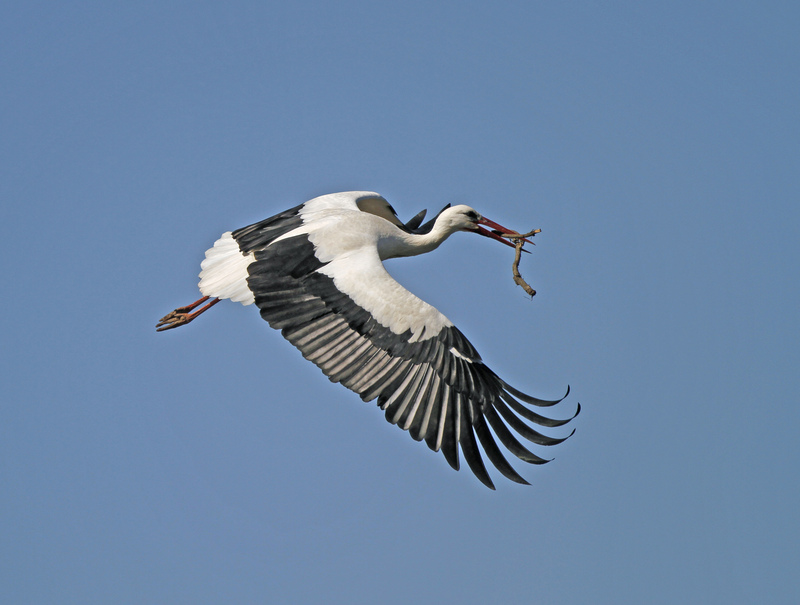
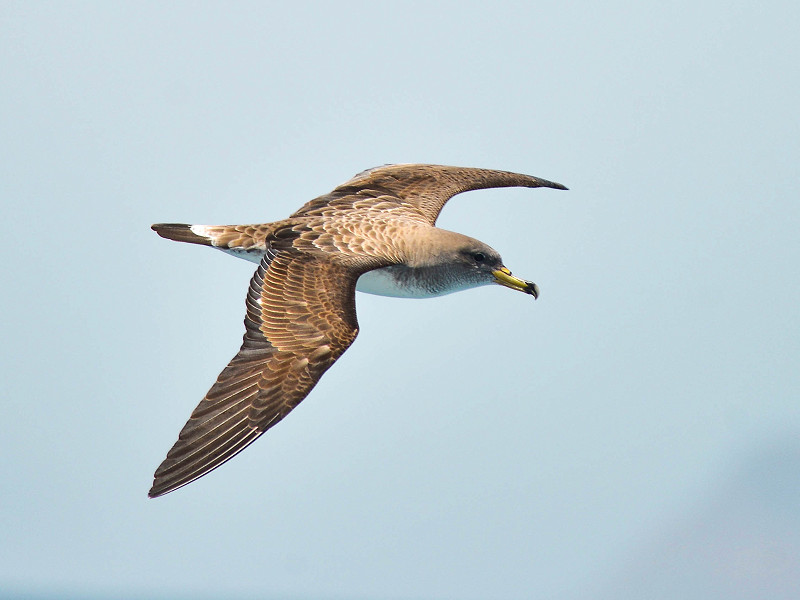
Being at the top of the bay, sea-watching at Rye Harbour isn't generally as fruitful as at the nearby Dungeness peninsular, but an extremely interesting seabird was seen by one lucky observer on the last day of the month. A Cory's Shearwater was spotted heading out of the bay, towards the east. This is the largest shearwater seen in the UK and has a heavy, yellowish beak, grey-brown upper-parts and an impressive 120cm wingspan. It is an exceptionally rare bird at Rye Harbour Nature Reserve.
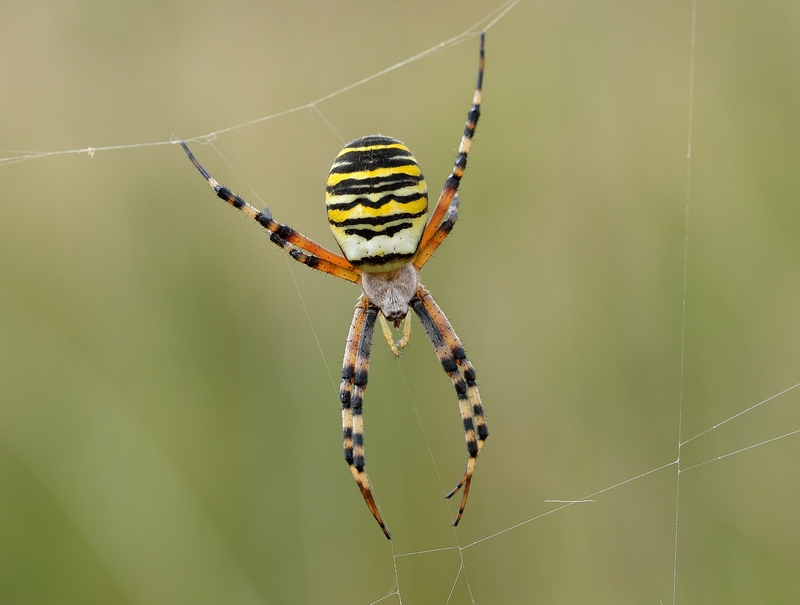
Invertebrate sightings included Eyed Hawk-moth, Jersey Tiger moths and Wasp Spiders on the saltmarsh, near the Discovery Centre.
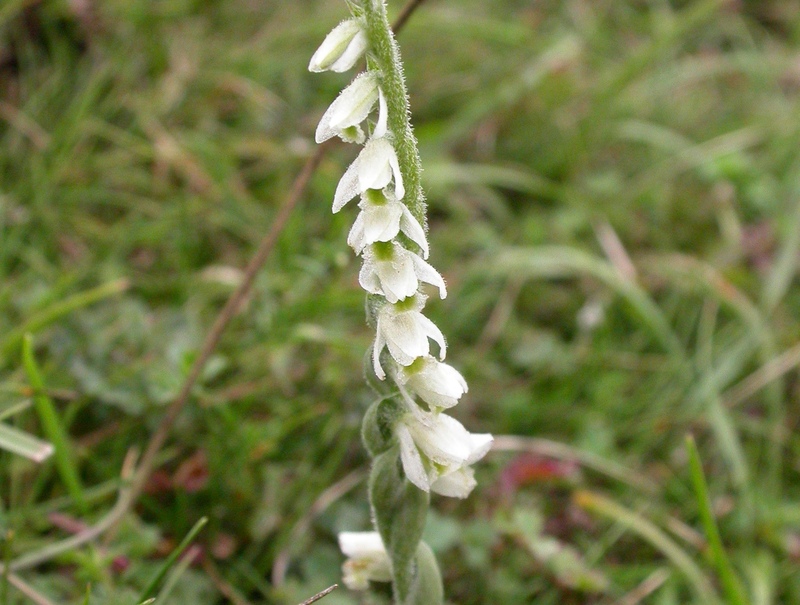
Small numbers of the tiny, late-flowering orchid Autumn Lady's-tresses were found at the north end of Castle Water and at Goat Field.
Thanks go to all those whose observations contribute to the monthly sighting reports. If you have spotted something interesting on the reserve, please do make a record with iRecord here and if you think it's particularly significant, please let us know at [email protected].
Comments
Thanks. Your monthly summary is always a welcome highlight in my in-box.
I particularly value how you add context to the sightings – how common, how to ID, how Rye Harbour fits into a species’ life cycle… .
17 Sep 2024 08:47:00