Rye Harbour Nature Reserve Wildlife Sightings – April 2023
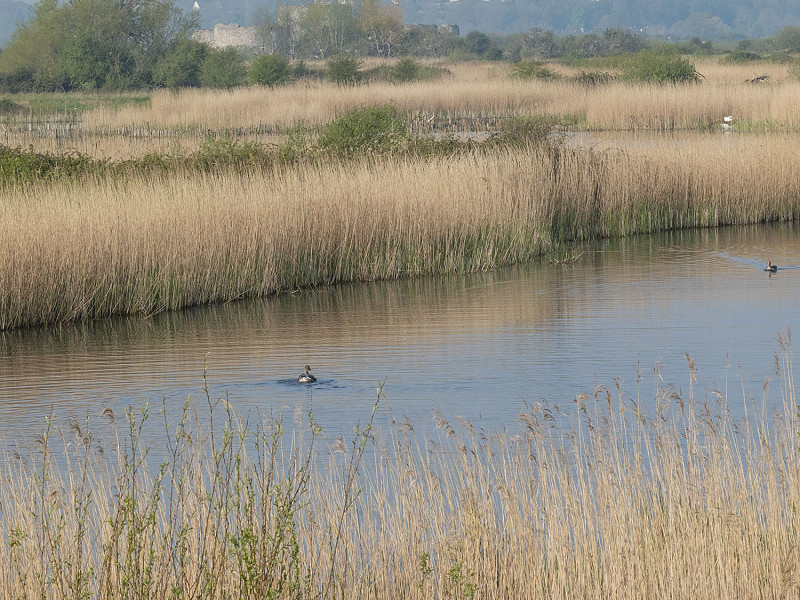
During this very wet and cold month:
- the reedbeds filled with warblers and the soundscape became more complex – Water Rail, Cettis’ Warbler and Bearded Tit have been here all winter, then the first Sedge Warblers arrived in late March and the Reed Warblers from 9thApril, then the Bittern started booming – hear this and other soundscapes at https://soundcloud.com/rx-nature
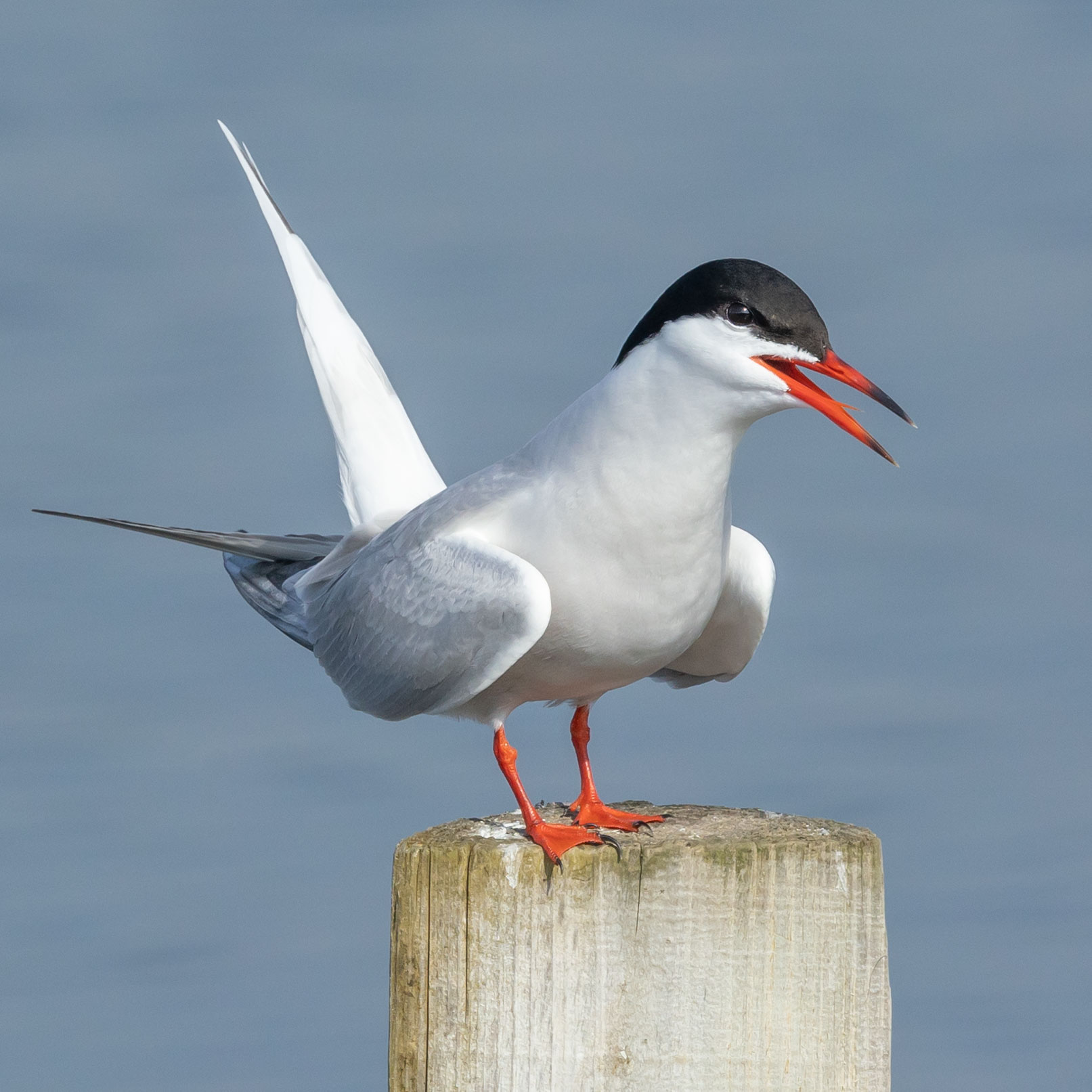
- the islands filled with nesting seabirds – first and most numerous are Black-headed Gull, with a few Mediterranean Gulls, Herring, Great Black-backed and Common Gulls. Then about 50 pairs of Sandwich Tern settled in at Ternery Pool and a few Common Terns from 16th and started to nest by the end of the month. First Little Terns on 19th and 8 on 30th.
- The breeding waders birds started nesting (approx. pairs) – Avocet (50) Oystercatcher (40), Ringed Plover (25) Lapwing (10), Redshank (10), Little Ringed Plover (5).
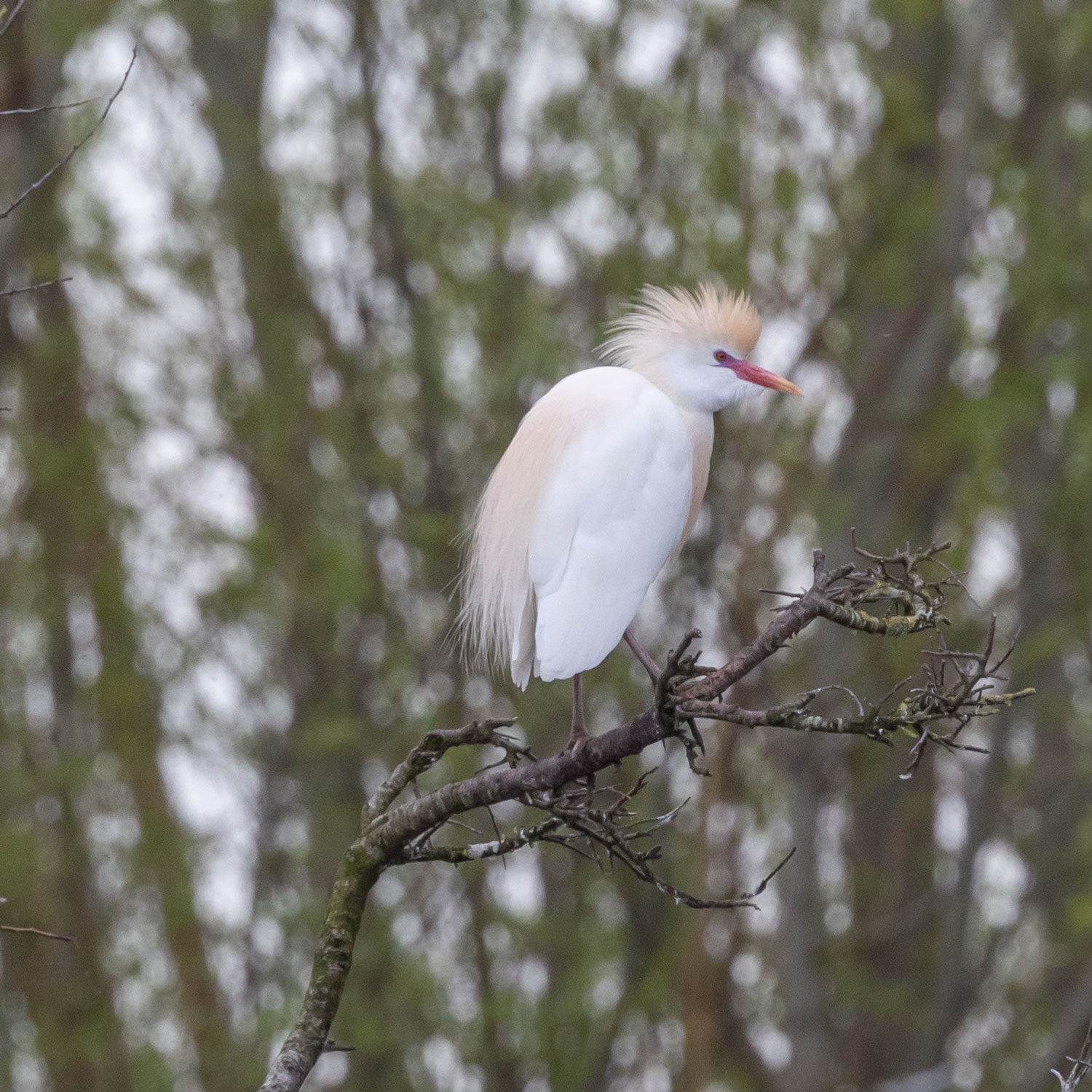
- rarities - Spotted Redshank all month, a pair of Garganey 8th, 2 Little Stints to at least 20th, 6 Cattle Egrets 28th, White Stork on 30th
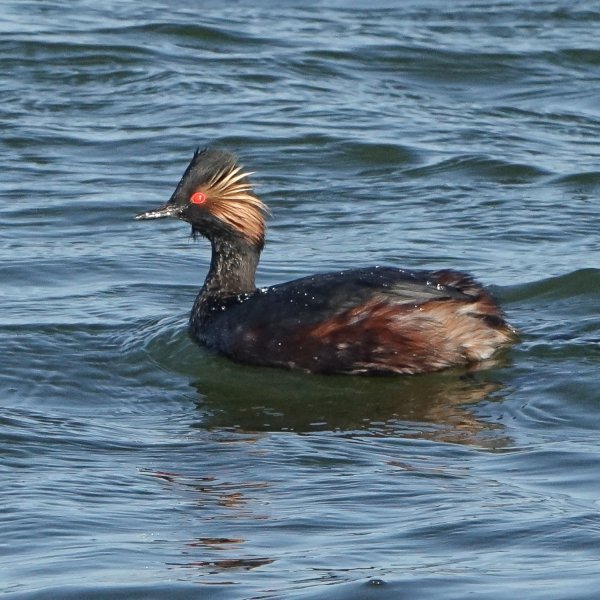
- First Common Whitethroat on 8th and Lesser Whitethroat on 11th, Hobby from 29th. Swifts from 27th. And the long staying Black-necked Grebe was moulting back into breeding plumage.
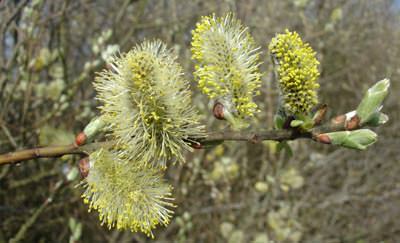
On a cold walk mid-month at Castle Water we managed to see 5 species of bumblebee and Clarke’s Mining Bee. Several Dotted Bee-flies were seen mid-month.
Flowering plants in the dry grassland of the beach included Common Whitlowgrass, Danish Scurvygrass, Rue-leaved Saxifrage, Dove’sfoot Cranesbill, Common Stork’sbill, Dandelion and Early Forget-me-not.

Along the path near the Discovery Centre Red Dead-nettle and White Deadnettle were both flowering and attracting bees. The most overlooked and underrated flowers are the willow trees which provide lots of early pollen and nectar for many insects.