
Rye Harbour Nature Reserve Sightings - September 2022
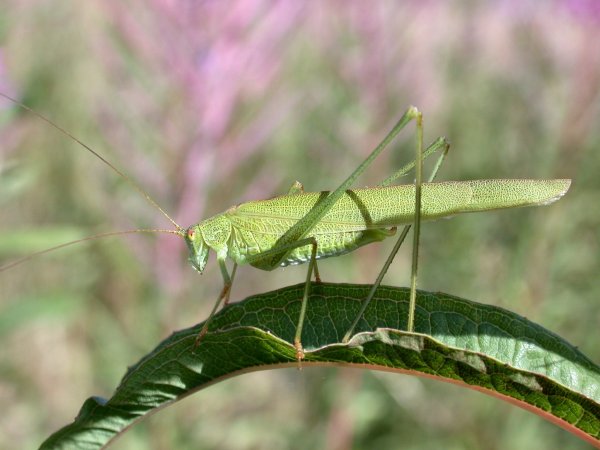
September saw the first reserve records for two uncommon species of bush-cricket. On the 9th a bat logger run in the garden of Watch Cottage picked up the ‘song’ of Sickle-bearing Bush-cricket, a species recorded in the UK for the first time in 2006 in Hastings Country Park and now found at several sites in the south-east and along the south coast. Then on the 11th a Great Green Bush-cricket was heard ‘singing’ on Harbour Farm. This species is still considered uncommon in the UK though it has undergone something of an expansion in recent years.
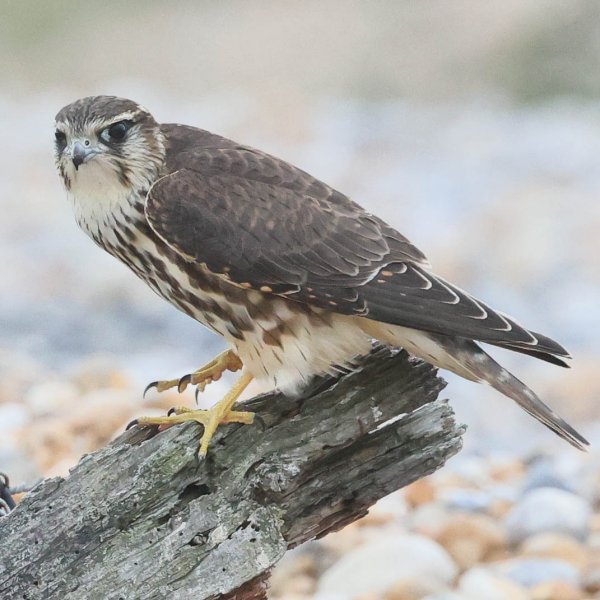
Merlin
A good range of waders saw the first Golden Plover flocks of the autumn, with up to 40+ on the Beach Reserve on the 28th, as well as 40 Redshank, up to 20 Knot, 21 Ruff and small numbers of other passage migrants such as Common Sandpiper, Green Sandpiper, Avocet, Black-tailed Godwit and Greenshank. Highlights were Curlew Sandpiper on Harbour Farm on the 12th, 16th and 25th, up to three Little Stint on Flat Beach and a Spotted Redshank on Harbour Farm on the 4th and 19th, while a Purple Sandpiper at the River Mouth on a few days from the 18th was the first reserve record since 2015. A maximum of five Spoonbill were present on the reserve during September as well as several Great White Egret (with two on the 15th) and regular Black-necked Grebe at Castle Water, while offshore up to 250 Gannet were present on the 23rd. Still a few Sandwich Tern around this month, with up to 15 on Flat Beach, while a Little Tern here on the 23rd was quite late! Raptors this month included the first of the autumn’s Merlin, with birds seen on the Beach
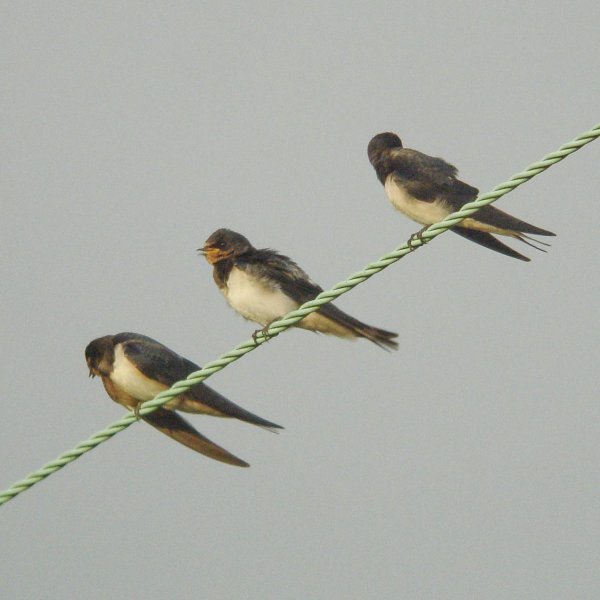
Swallows
Reserve and Harbour Farm on several dates, possibly the last of the years Hobby, with one over the Wood on the 18th and, the best of the bunch, a ‘ringtail’ Hen Harrier at Castle Water on the 17th. September saw a good range of passerines on the reserve. A steady trickle of hirundines in the first half of the month peaked around mid-month with at least 250 Swallow and 50 House Martin and Sand Martin on the 19th, while Yellow Wagtail numbers peaked at over 50 on the 2nd and Wheatear at 15 on the 10th. In addition, small numbers of Swift
were present mid-month. The occasional Whinchat
included 11 on the 10th on Castle Farm, two Redstart were here on the 12th and a Grey Wagtail was on Flat Beach on the 3rd
and 19th. Corn Bunting
were recorded at Castle Water on the 10th and 22nd (two), while Spotted Flycatcher were present at Castle Water/Castle Farm on the 11th and 12th
(three).
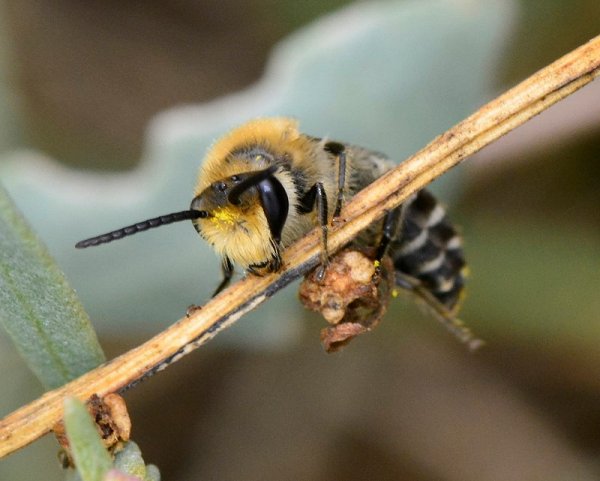
Sea Aster Bee Image: Krizstina Fekete
Moth numbers in the trap wound down gradually during September as the weather became cooler and wetter. Highlights were several record of Saltmarsh Knot-horn, including eight on the 13th, a Convolvulus Hawk-moth on the 15th and increasing numbers of Feathered Brindle towards the end of the month, while a Great Silver Water Beetle was trapped on the 13th. Other notable invertebrates this month included Sea-aster Bee on the Beach Reserve throughout the month, the hornet–mimicking hoverfly Volucella inanis near the reserve entrance on the 21st, and the rare weevil Lixus scabricollis on the saltmarsh on the 12th. September also saw further records of Large Conehead on Harbour Farm on the 11th. Plants in flower included Least Lettuce, Sea Campion, Twiggy Mullein, Red Hemp-nettle, Viper’s Bugloss, Wild Carrot and Sea Aster.
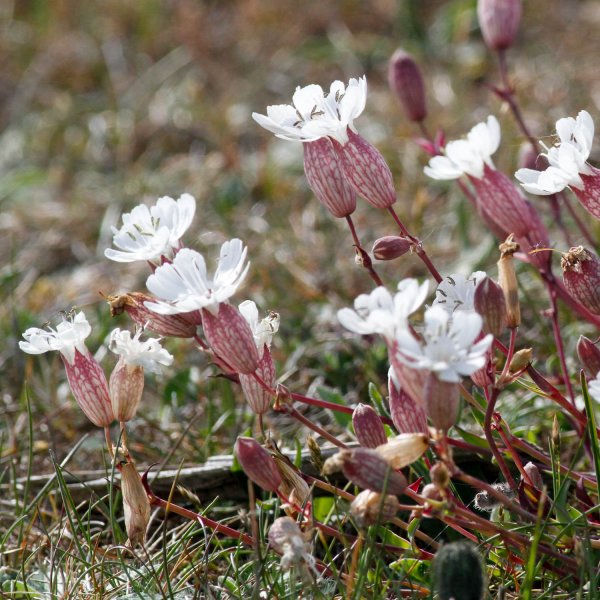
Sea Campion