
Rye Harbour Nature Reserve May 2026
David Bentley - Sussex Wildlife Trust volunteer
May was very dry with an extended heatwave towards the end of the month, which saw unprecedented spring temperatures in many parts of the country. That’s now three months in a row with very little meaningful rainfall in the Rye area. In combination with the constraints on water level management caused by the bio-bead pollution incident, this has made retaining optimal water levels in Flat Beach extremely challenging.
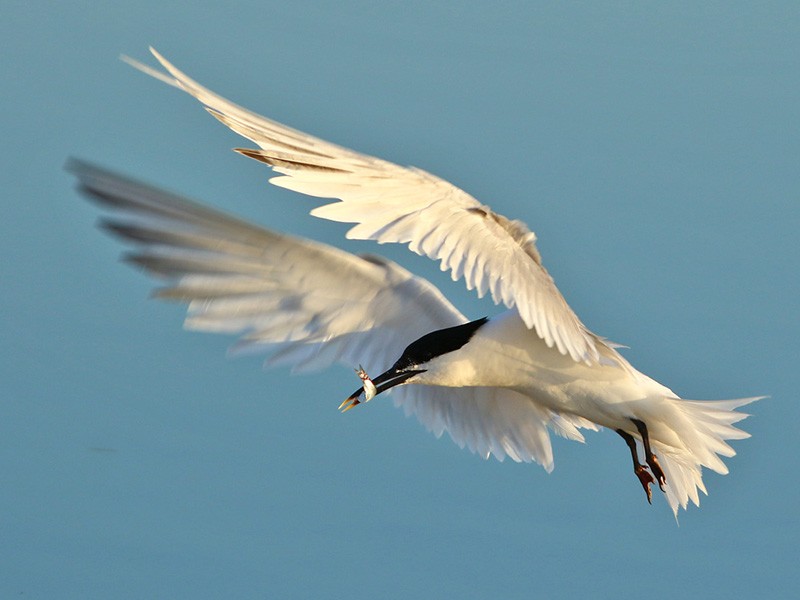
Little Tern numbers peaked at ten birds at Flat Beach on 10th. A single Black Tern was reported to be in with the Sandwich Terns at Ternery Pool on 24th. The Sandwich Terns are now settled in front of Parkes Hide. Being so close and easy to observe, the details of a few ringed birds are being collected, providing valuable information on the international movement of 'our' birds.
An Arctic Skua was seen hassling terns over the sea on 30th. Skuas are kleptoparasitic, meaning that they relentlessly chase other seabirds until they regurgitate food that the skua then snaffles it up. Skuas are the avian pirates of the sea.
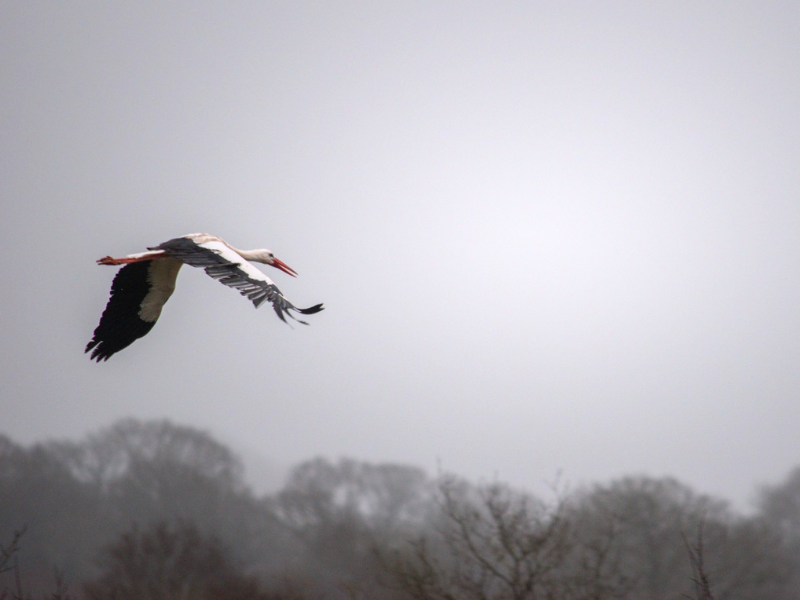
A White Stork was seen over the Discovery Centre on 22nd.
One Little Stint, six Knot and 13 Grey Plover were at Flat Beach on 10th. An additional Little Stint was seen on 28th and 29th. 14 Black-tailed Godwit were at Flat Beach on 11th.
A summer plumage Curlew Sandpiper, a real treat for wader-lovers, was visible from Denny Hide on 16th. The first Avocet young were recorded on 13th.
Cuckoos were noted at various places around the reserve, but especially Castle Water, becoming more visible and vocal from the middle of the month.
Over 375 Linnets at Castle Farm on 11th was an unusually high count.
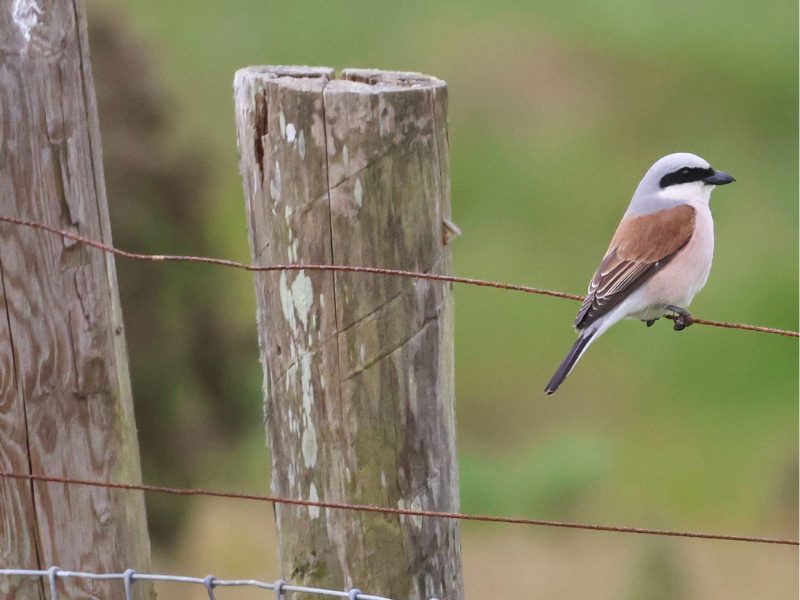
Bird of the month was a superb short-staying male Red-backed Shrike opposite the Halpin Hide at Castle Water on 19th. Shrikes are known as 'butcher birds', reflecting their habit of storing prey items on thorns and spikes.
Imagine a bird of prey with all the speed and agility of a Swift and you come up with a Hobby; at least three were seen from the Reedbed Viewpoint on 9th. Five roosting Red Kite were spotted very early on 24th near Castle Farm and a massive White-tailed Eagle was over the Reedbed Viewpoint on 27th. Either of these last two sightings would have been unimaginable just a few dozen years ago.
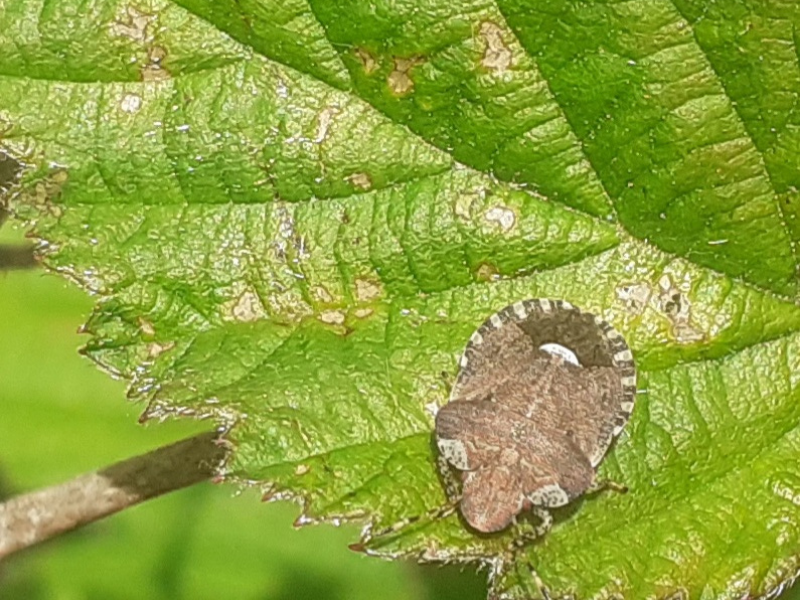
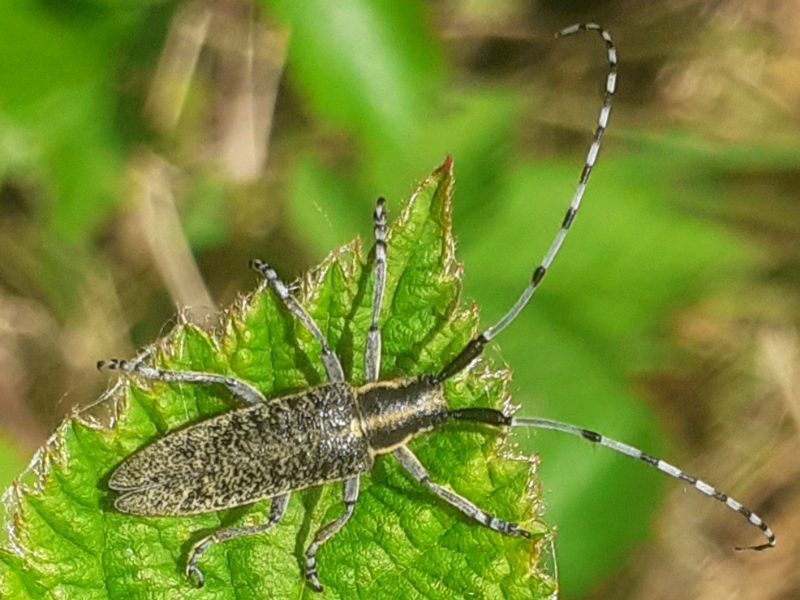
An amazing colony of Lackey Moth caterpillars was found on Flat Beach on 9th. A rare Pale Grass Eggar Moth caterpillar was seen near Crittall Hide on 17th. The first ever recorded at Rye Harbour Nature Reserve, a White-shouldered Shieldbug - a recent UK colonist, was seen on 23rd at Castle Water along with a Golden-bloomed Grey Longhorn Beetle. The Yellow Belle is a scarce moth that prefers dry grassland around the coast; one was seen near Nook Drain on 24th. A Norfolk Hawker dragonfly was by the Reedbed Viewpoint on 27th.
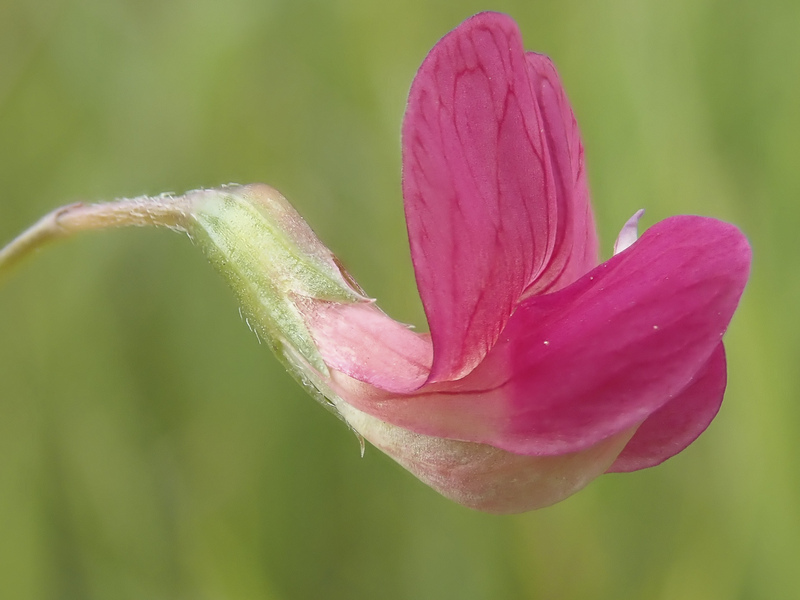
The first Grass Vetchling flowers were seen by Nook Drain on 21st. These intense hot-pink/cerise blooms appear out of nowhere, their leaves being similar to grasses in the sward. Other plants in flower during May included Hound's-tongue, Sea Pea, Yellow Vetch, Bee Orchid and Pyramidal Orchid.