
Pride and representation at Sussex Wildlife Trust
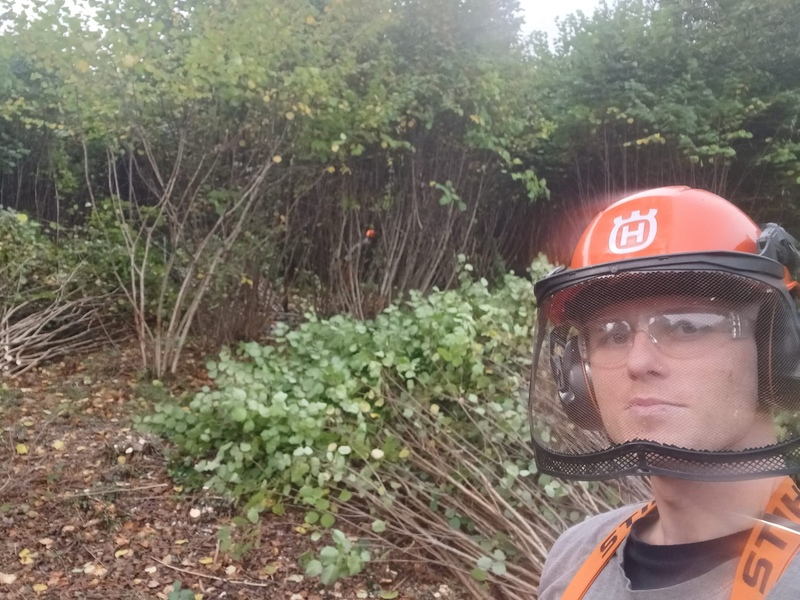
For Pride month 2026, Ranger, Dav Bridger, shares his experience of working in conservation
When I was in Year 3 at school, I was called ‘gay’ for the first time. I was seven, and had no idea what that meant, only that I quickly became an outcast and a pariah, as it, and related terms caught on. At that age, the only things on my mind were Pokémon, how much I desperately wanted a dog, and that I loved whiling away weekends in the New Forest. Despite my nascence and naivety, the court of public opinion had made its verdict, and I was branded with my newfound scarlet letter.
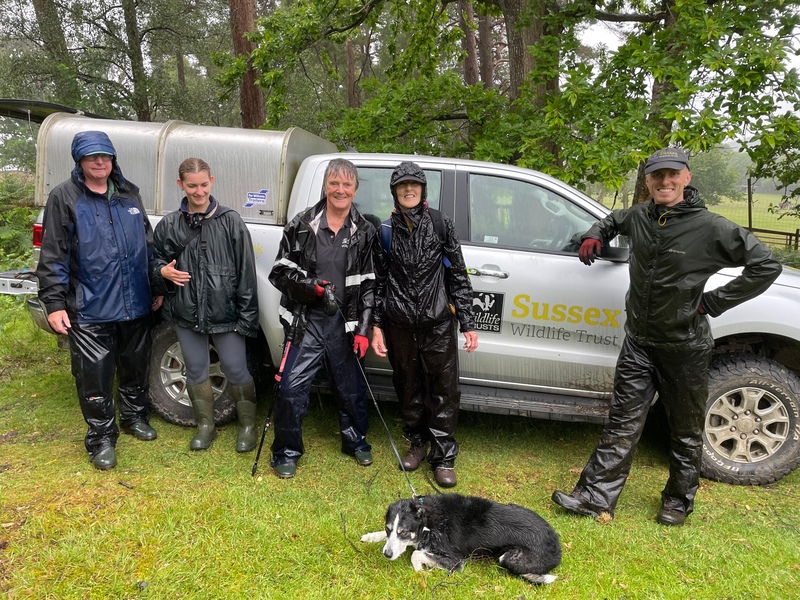
This story is not unique, and practically every LGBTQ+ person I know has had a similar experience growing up, which we then must spend much of our young adulthood unpacking. At some point and without realising it, the bullies stopped, but you became so habituated to low self-worth that the biggest bully in your life has since become yourself. This is why I am so vehemently against the rhetoric of ‘let kids be kids’ when discussions around representation and education arise, because I was just a kid, and my bullies were too.
At twenty-six, I was just about to start my traineeship at Rye Harbour Nature Reserve, an opportunity that I had waited so long and strived so hard for. It was a golden ticket into conservation, and I couldn’t wait to begin this next life-changing chapter. However, there was a small, niggling voice in the back of my head, warning me to prepare for the possibility of an industry and working environment of derision, bigotry dressed as ‘banter’, and ultimately, homophobia. Upon joining Sussex Wildlife Trust though, I am happy to say that that little voice was soon dismissed. I have only ever found the Trust to be a most welcoming, accepting and supportive environment, with a number of LGBTQ+ colleagues across different directorates and teams, who, just by being their authentic, unapologetic selves, made me feel safe and like I belonged - that I was no outcast after all.
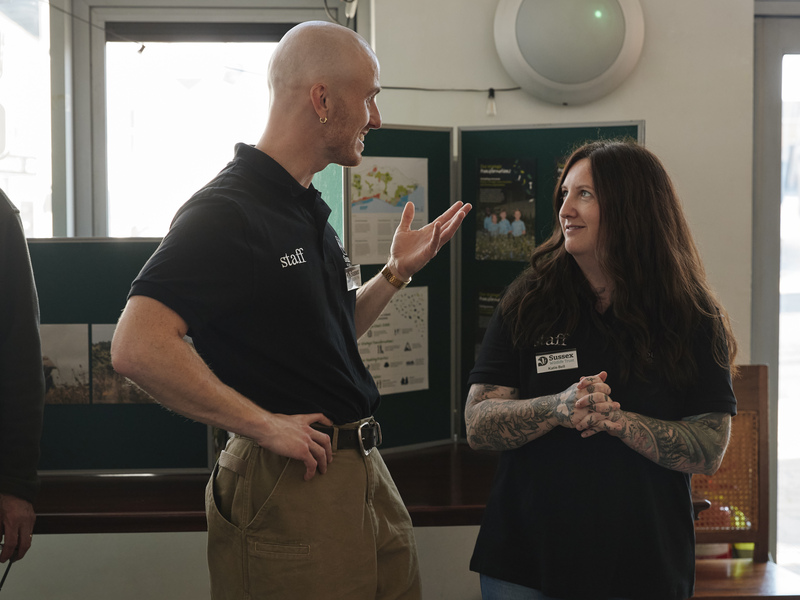
A sense of belonging and understanding are key components in representation, and make for a healthy, happy dynamic in the workplace and wider society. Opening our eyes, ears and arms to engage and include others can shape how we see and understand ourselves, foster deeper connections and make meaningful change for the betterment of all. There is much furore about representation and EDI in the media and the current socio-political landscape - seeds of discourse only sown to divide us and distract us from the truly sinister threats of our time.
The UK remains one of the most nature-depleted countries in the world, with our leaders only seeking to further strip our wildlife of what little protection it has in the pursuit of political scapegoating and point-scoring. We all have a part to play in the protection and restoration of nature, and in taking action for wildlife in Sussex and across the UK. Therefore, we must all be included, so that we can all be empowered to make an impact as a collective!
Ultimately, we are all human, and desire the same things: compassion, unity, to feel appreciated, understood, respected, and free to express ourselves without judgement. That is representation, and why it should matter to everyone.
Comments
Lovely to see this :)
09 Jun 2026 10:07:00
Sussex Wildlife Trust:
Thank you!
Lovely words coming from Dav. It’s always a pleasure working with Dav, his colleagues and the other volunteers
19 Jun 2026 10:32:00
Excellent. Thanks for sharing this Dav. Good to know Sussex Wildlife Trust is a good inclusive organisation for its team as well as supporting diversity in the animal world.
19 Jun 2026 10:37:00
such a great and inspiring story!
19 Jun 2026 11:09:00
Many thanks for your story Dave. Glad the trust is a decent environment to work in.
19 Jun 2026 12:18:00
Thank you for sharing your story, Dav. We need reminding that we must educate young children away from bullying, and fight it when and wherever it occurs. Glad you are now in an environment which allows everyone to be equal – which, of course, we all are. And thank you for your work with the Trust.
19 Jun 2026 13:06:00
What a welcomed and inspiring story. Thank you for sharing.
19 Jun 2026 14:20:00
It makes me sad at what you had to go through in your early life Dav. I’m glad you now feel like you belong. Your volunteers love you for you (and not just because of the delicious home baking!!)
19 Jun 2026 15:10:00
Always good to work with Dav You should get on bake off you would win it
19 Jun 2026 17:09:00
So proud to work alongside you, Dav. Inspiring as always.
19 Jun 2026 17:27:00
Well done Dav for sharing his story, it resonated with me as I had similar experiences as a young boy.
We must not forget that we are part of nature, and to deny our own natures, or discriminate against others nature, harms us all and nature fauna and flora too. If we don’t respect each other, how are we going to respect the nature that we come from? Well done to Sussex Wildlife Trust and Dav.
20 Jun 2026 11:42:00
Stay with it.
23 Jun 2026 20:33:00
“This is why I am so vehemently against the rhetoric of ‘let kids be kids’ when discussions around representation and education arise, because I was just a kid, and my bullies were too.”
These are such wise words. Thank you Dav.
27 Jun 2026 13:13:00