
Jamie Parsons
Head of Nature Reserves
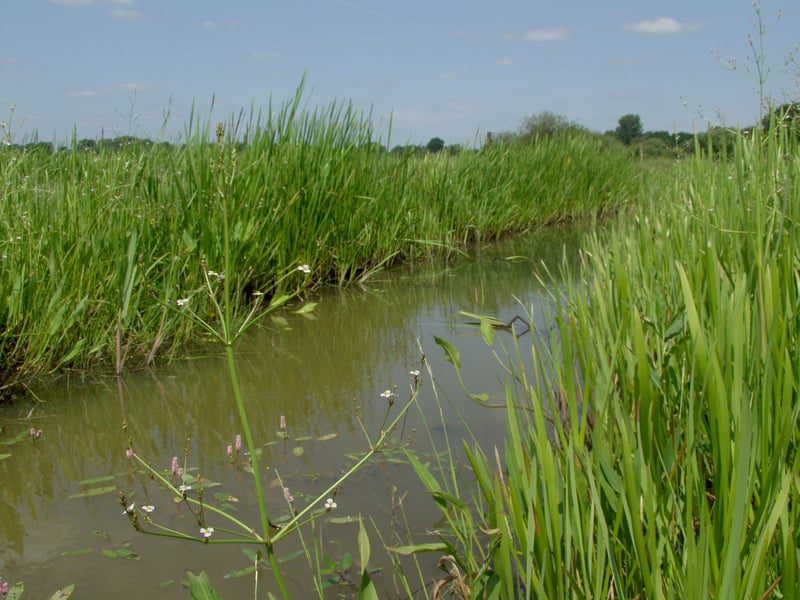
Sussex Wildlife Trust and National Highways have joined forces to launch an exciting and ambitious Network for Nature project to bring Pevensey Levels back to life as one of the great biodiverse wetlands of the UK, benefiting people, nature and wildlife.
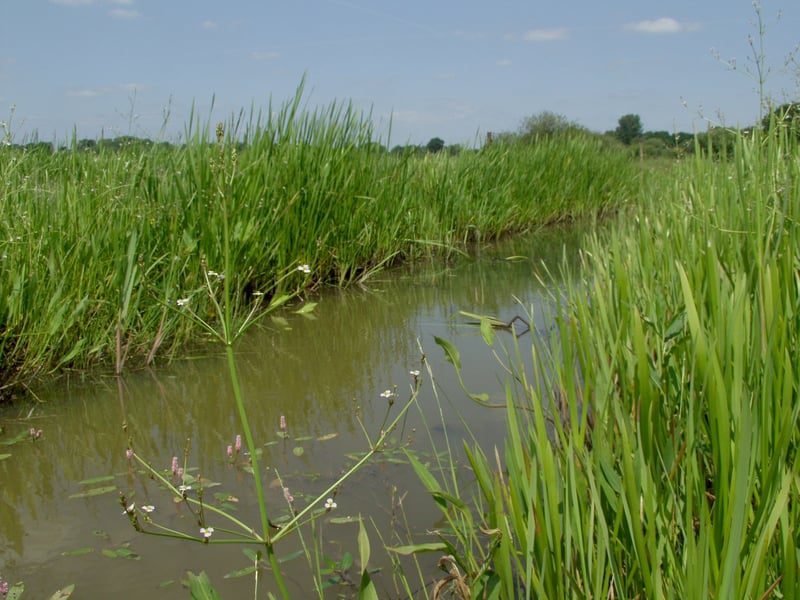
You pass through the Pevensey Levels driving from Eastbourne to Bexhill on the A259. It stretches over 3,500 hectares (13.5 sq. miles) between Eastbourne, Hailsham and Bexhill. It has many designations, such as SSSI (Site of Special Scientific Interest), SAC (Special Area for Conservation) and RAMSAR (an International Designation for Important Wetlands). Yet, many people are unaware of its international importance.
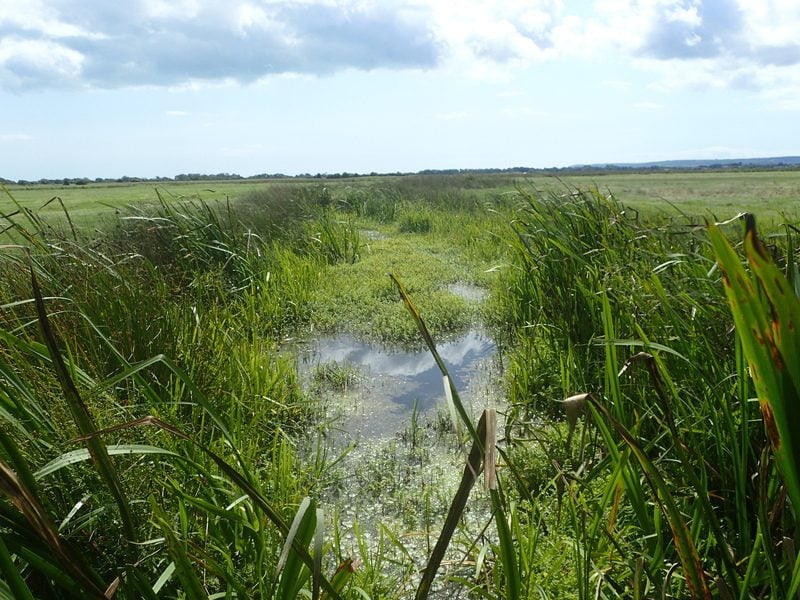
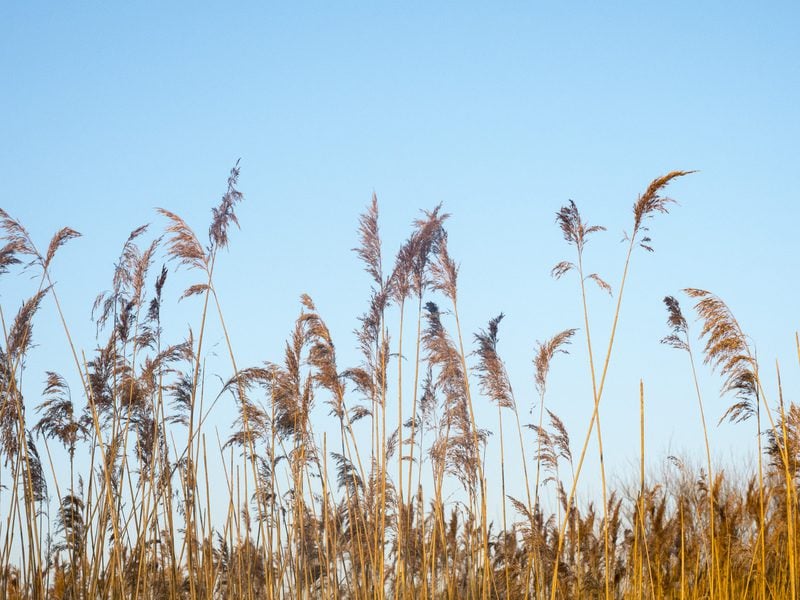
It is a landscape dominated by big skies, acres of lush wet grassland, intersected by many miles of ditches filled with nationally rare aquatic species. However, there used to be another element Pevensey was famous for, which has all but disappeared, and that is huge flocks of wetland birds. Through history, the levels have transitioned from salt marsh through to freshwater marsh, then grazing marsh and today it’s an important grazing area for agriculture in the South East, with animals being turned out in spring for finishing (fattening up) on the lush wet grassland before market.

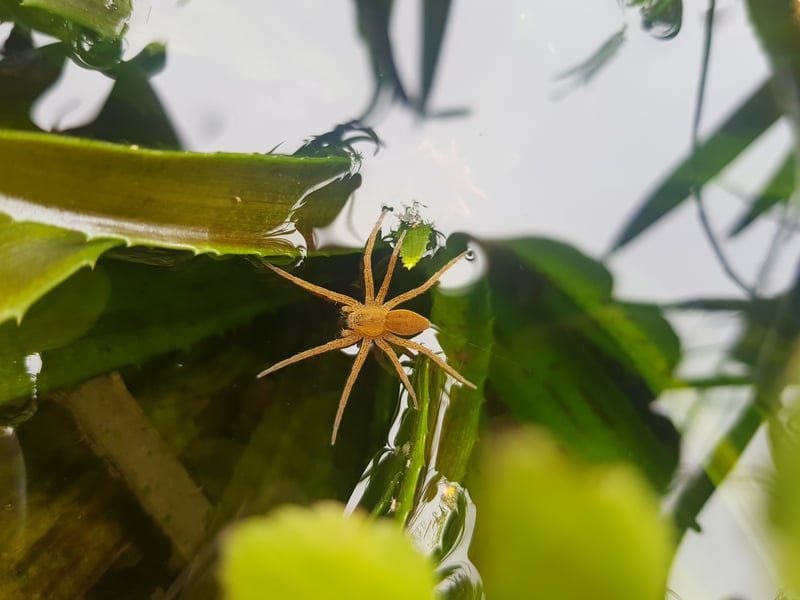
In 1996, Sussex Wildlife Trust purchased 150 hectares of land on the Levels which was subsequently designated a National Nature Reserve along with a parcel of land owned by Natural England. The reserve supports rare species such as the Fen Raft Spider, at least 25 rare aquatic molluscs, 16 species of Odonata such as Hairy Dragonfly, along with a huge number of rare aquatic invertebrates and plants.
However, when we purchased the site in the late 1990s, there were large flocks of waterfowl and waders overwintering on the reserve, along with small numbers of Lapwing and Redshank breeding. Today, these flocks have all but disappeared from the Levels.
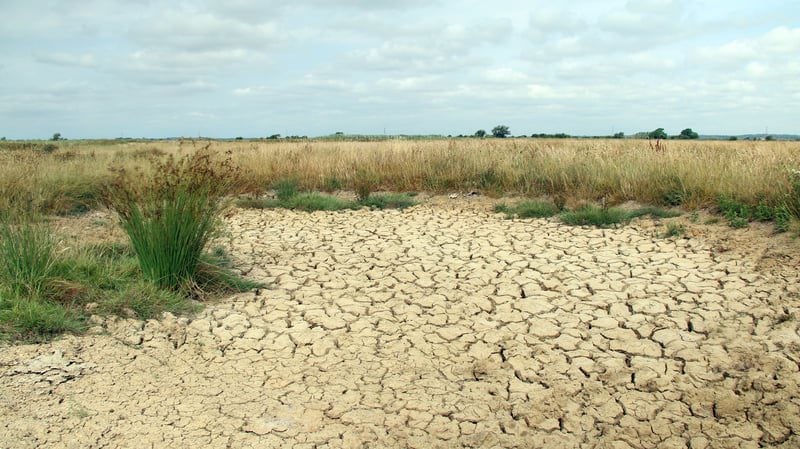
So what has caused this decline? Essentially it comes down to water. Availability of water at the right time of year is critical for a healthy, balanced system. This balance has been altered due to extensive water management infrastructure installed on the Levels in the 1970s. Water is pumped off the Levels in winter and held back in the summer, resulting in water levels being held at a constant all year round. Good news for farming. But when you bring in challenges of increased water extraction and climate change, suddenly this system starts to fail. With less water flowing through the system and hotter summers causing more evaporation, the system is working to a deficit with less and less water being held within the wetland, causing it to dry out.
With £600,000 funding from the Network for Nature project, we have begun our restoration project by carrying out earth works on our reserve. These have been taking place over recent months. The aim is to create a mosaic of habitats by blocking and meandering ditches, digging scrapes and creating deeper ponds as well as undulations. Together, these measures will help ‘re-wet’ the Levels, allowing wetland species to re-colonise lost territories.
We are also working in partnership with farmers, neighbours and partners, in order to raise water levels and create new habitat where we can to restore wetlands more widely on the Pevensey Levels. The aim is to create an archipelago of wetland habitat right across the Levels providing stepping stones for species to move through the landscape.
As you might expect, initially the transformation is creating a lot of mud! We hope the earthworks will be finished around December 2024, after which the restoration of the habitat will slowly begin. We will keep you up to date as to progress along the way. Follow our blogs and social media updates and join us on this exciting journey to bring Pevensey Levels back to life.
109 responses to “Pevensey Levels – Reeds, Fens, Restoration and Resilience”
A wonderful project. Is Livestock kept off the land that was purchased? Is there any opportunity to acquire more land and would there be a benefit in doing so?
A valuable project for rewetting our landscapes, especially as fenland habitat is involved that has probably been a source of carbon release as the area has become drier. Obviously you will be monitoring on site, but just wondered if you are looking to do any remote sensing monitoring/evaluation on any aspects of the project?
great news. Will there be improved footpaths across the levels so that its easier to see the birds?
No opposition from this farmer. Nor from the Pevensey Farmers cluster group, 55 farmers trying to effect better nature conservation across the whole of the Levels. Great project set to make real change.
This is good news. However, it’s a shame that the Trust did not support local people in their efforts to stop a field (owned by the Sackvilles), 50 metres from the Pevensey Levels, being built on by Bellway homes. I also hope that National Highways are more diligent about collecting the rubbish thrown out of cars on the A259. It’s usually left for months and then chopped into small pieces when the verges are cut resulting in small particles of plastic being able to flow into the waterways. Regular litter picking and signage informing people they are driving through an internationally protected site would help I’m sure. I’d welcome a response.
Brilliant, congratultionst to Charlotte and the team. Feel really privilaged to have been a small part of this project.
How is it possible to get involved with the wildlife monitoring?
Excited to hear the wide range of benefits from this amazing project not least the carbon capture .
I was born in East Sussex a long time ago and still return on a regular basis. As one who spent his youth on one marsh or another I was very excited to see the reports on your Pevensey Marsh project. The undeniable decline in bird life has been catastrophic if you can remember the flocks of Green Plover and waders that used to be common. And if you want justification for keeping the public out go to Cuckmere Haven.
I would like to get involved – but how can you do this effectively so that it lasts, if there is a drought every summer?