
Passing the 12 million records mark with a springtail

Emma Chaplin, Communications Officer, spoke to Bob Foreman, Biodiversity Data Specialist for the Sussex Biodiversity Record Centre, after their 12 millionth record had come in - a springtail, specifically Orchesella cincta.
Congrats on the 12th million record – how are Sussex doing on the record front, compared to other counties?
Difficult to be sure, I remember a survey of LERCs (Local Environmental Records Centres) some years ago that showed we were at the top of the list, but where we stand now I don’t know – pretty high up I would guess…
Name some of the most recorded species in Sussex
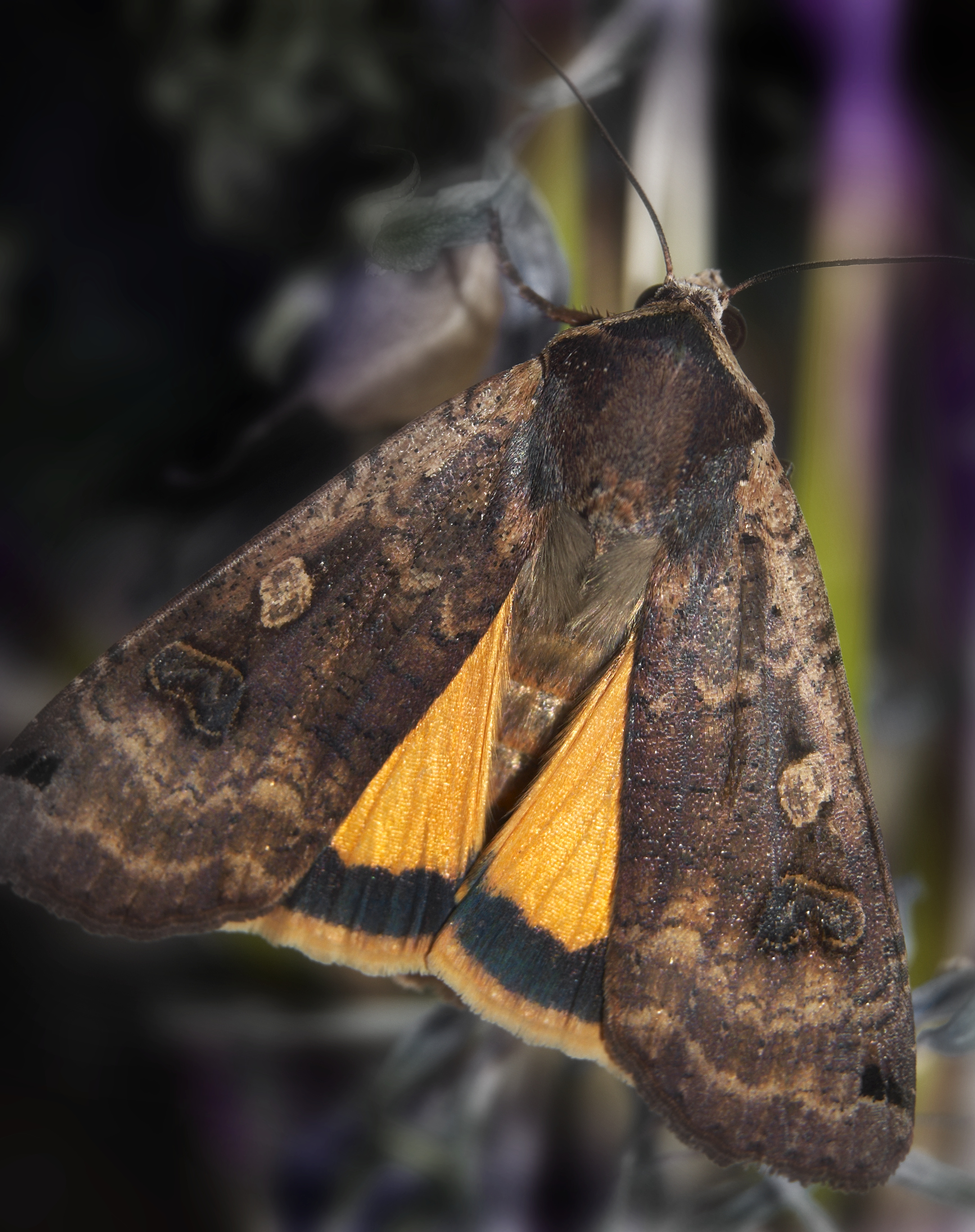
The top ten are all birds (Blackbird, Woodpigeon and Carrion Crow are the top three). The first non-bird species in the list is Meadow Brown (butterfly) at #15. You have to go to #79 before you get to a non-bird or butterfly species - Large Yellow Underwing (moth) and #162 before you get to Bramble, the first non-bird, butterfly or moth.
Are there any that have stood out over the years, any favourites?
We have 23,699 recorded taxa, so it’s difficult to pick out a favourite; species record #10,000,000 was a weird little tree hopper called Centrotus cornutus which was fun. We also have records of Mammoth (a tusk found at Seaford Head) and Blue Whale (apparently seen off Brighton in 1852).
We also have 16 records of Homo sapiens in Sussex, which would suggest that they are quite rare in the county, maybe not the rarest, but based on the evidence of the database, an unusual species and most records appear to be of adult males – so they’re probably not breeding in the county?
Tell me a bit more about the Orchesella cincta
It’s extremely common and massively under-recorded (they’re found in the soil, in leaf litter, under bark, strolling around on more or less anything basically), I presume that because they are so small (c4mm), they either get overlooked or they are presumed to be unidentifiable and, more importantly, who records springtails anyway!!?!
However this species is one of the few collembola that are relatively straightforward to identify and so are easily recordable.
If people want to send in a record, what’s the process please?
iRecord please - see here
Comments
Great article! Liked the useful info on Homo sapiens – fascinating species! As for Collembola, we record them on Shoresearch – another readily identifiable one. Roll on record 13,000,000!
25 Sep 2025 12:26:00