
Our Wild Sussex: nature reserves
Henri Brocklebank
Director - Conservation
Managing land for nature is without doubt a privilege that many of us here at Sussex Wildlife Trust feel. We are lucky enough to be responsible for some spectacular places in terms of landscape, and some of the most diverse in terms of wildlife. Some of our sites are small an unassuming, but after decades of prioritizing the wildlife the results are there.
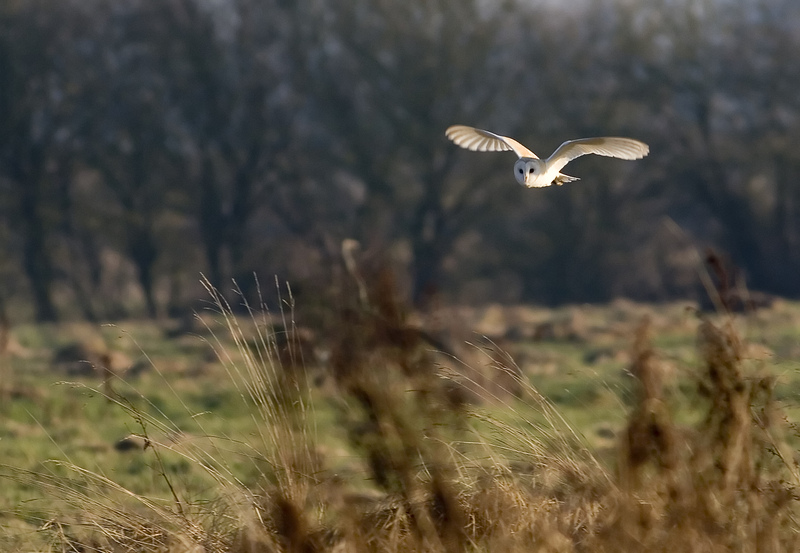
With the state of nature being what it is, we are now grateful every time the Nightingales return from their long migration and that a Barn Owl can find a habitat to host the huge number of small rodents it needs. We cannot take nature for granted anymore. This makes our nature reserves, along with other natural spaces, a critical part of nature’s life support. We have a duty to make these sites as appealing as possible for wildlife, we have a duty to ensure that our Sussex Nature Recovery Network has sites within it that have so much wildlife that it spills out through the connections we are making in the landscape. We want our sites to feed into this network. Supercharged for wildlife.
Well, fine words, but anyone who has ever managed land will know of the complexities and costs. We are committed to always finding a way to make it work even with sites that are facing huge challenges as our weather patterns change. The pandemic was good for wildlife in many ways (less disturbance), but on our nature reserves we lost many of the management gains we had been making by missing out on so many volunteer activities. We have also rebuilt a more TB resilient grazing model, which has taken time and a great partnership with the Wiston Estate. Only now are we just able to graze our sites with the right numbers of animals at the right time of year. Imagine a huge farm covering multiple sites across Sussex. That’s us. Grazing our sites was never going to be straightforward, but we have the team to do it.
We know where our sites are in good condition and we also know where they need improvement. Over the course of this strategy we are committed to bringing all of our sites into the best condition that they can be in. It will involve some goats, ponies, pigs, sheep and cows and 100s of brilliant volunteers. It may also involve some diggers in places…. Some sites will be wilder, using a rewilding philosophy, and some sites will be necessarily closely managed to provided refuge for vulnerable species. We will monitor the impact on the wildlife of the sites and inform our decisions with the evidence we gather. In doing so we will work with large numbers of volunteers sharing their skills and expertise and passion.
Come and enjoy our nature reserves. Visit some sites you have never been to and allow us to share these wonderful places with you.