
On the reserves - what's special about Malling Down Nature Reserve
Crispin Holloway
Butterfly recorder
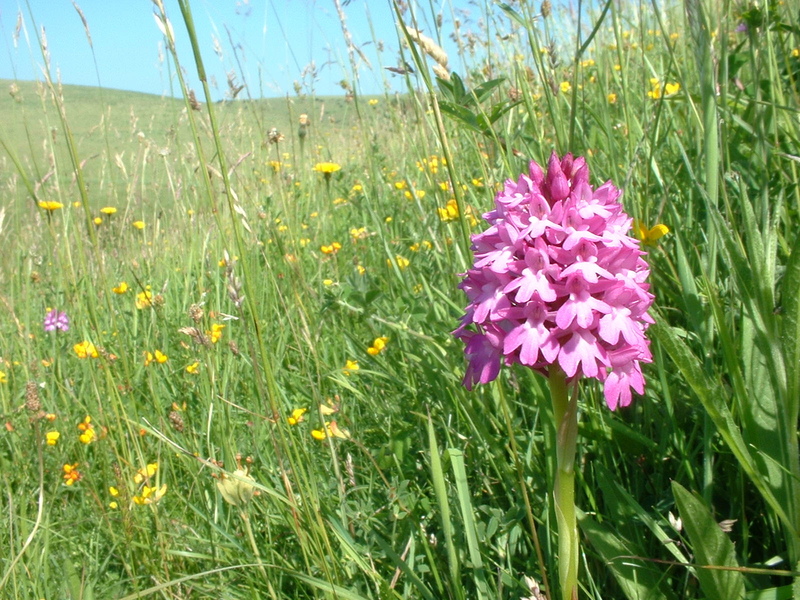
Malling Down is one of those landscapes that is quietly exceptional. The chalk grassland there isn’t ordinary grassland—it’s a globally scarce habitat. There’s a sense of life everywhere if you tune into it. The butterflies—especially species like the Adonis Blue and Silver-spotted Skipper—aren’t just pretty; they’re specialists. They only survive in places exactly like this. The same goes for the birds overhead and the insects at your feet. The Buzzards, Kestrels, Skylarks, warblers, and Nightingales all depend on that same habitat structure. It’s a perfect example of how landscape, management, and biodiversity are tightly interwoven.
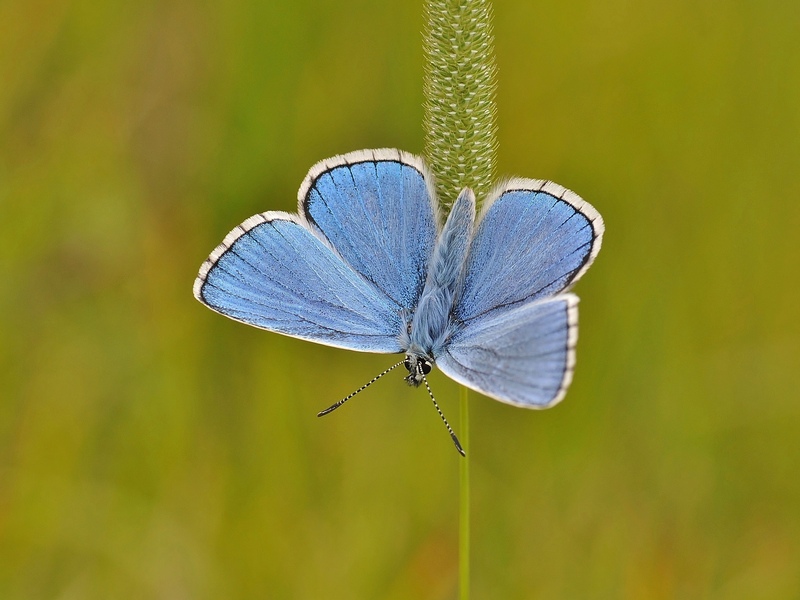
It’s a place where biodiversity isn’t abstract—you can actually see it happening. I see this through the butterfly monitoring I have done for 30 years, and my father 10 years before that. It provides a very good measure of the health of the site as well as butterflies in general.
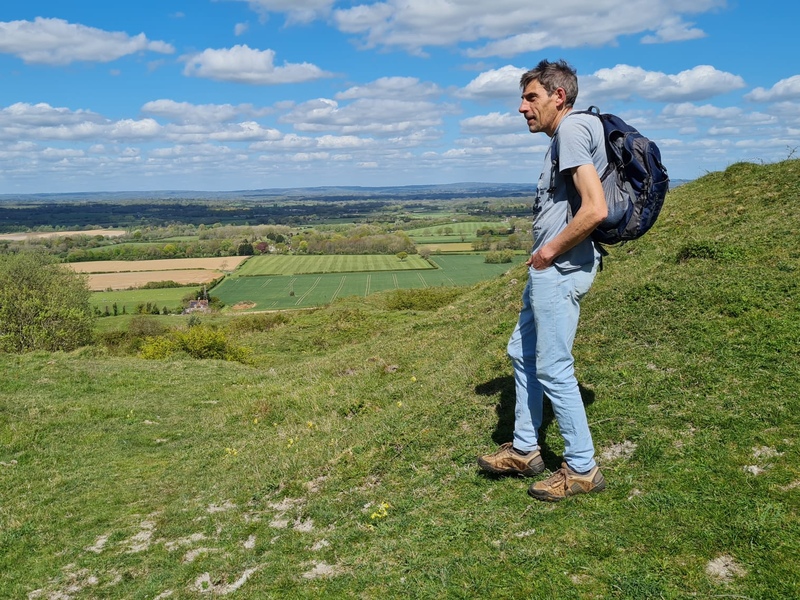
From the ridges and slopes, you can read the landscape—rolling down into the Weald, stretching out toward Ashdown Forest, then the distant North Downs and even catching a glimpse of an aircraft coming up or going down below the horizon - Gatwick Airport.
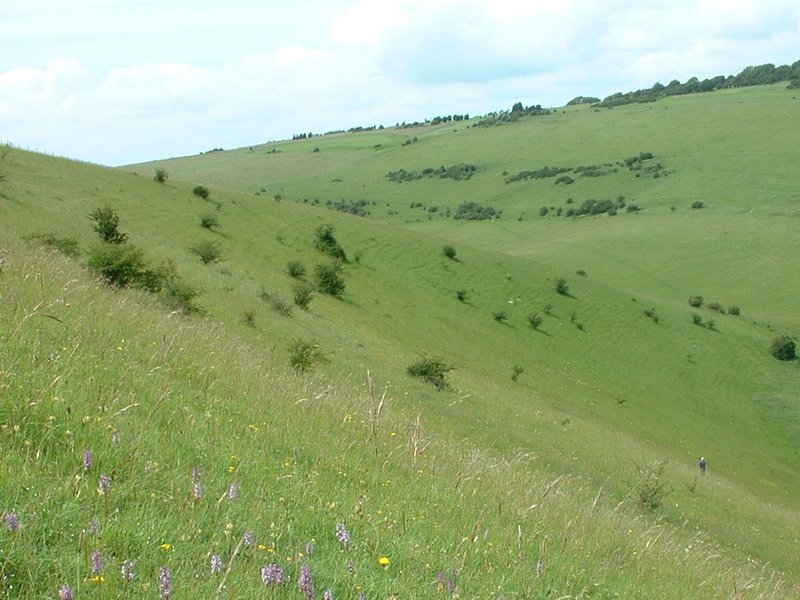
It offers something that’s increasingly rare: tranquillity without remoteness. You can climb a steep combe, hear Skylarks above you, and feel completely removed—yet you’re minutes from a town (Lewes). That contrast is powerful. It lets people reset, notice the seasons, and reconnect with the natural world in a very direct way.
It’s not just a place—it’s a living, changing system, a refuge for rare species, and a space that gives back as much as you put into noticing it.