
On the reserves - what's special about Levin Down?
Rob Eadie
Volunteer Reserve Manager
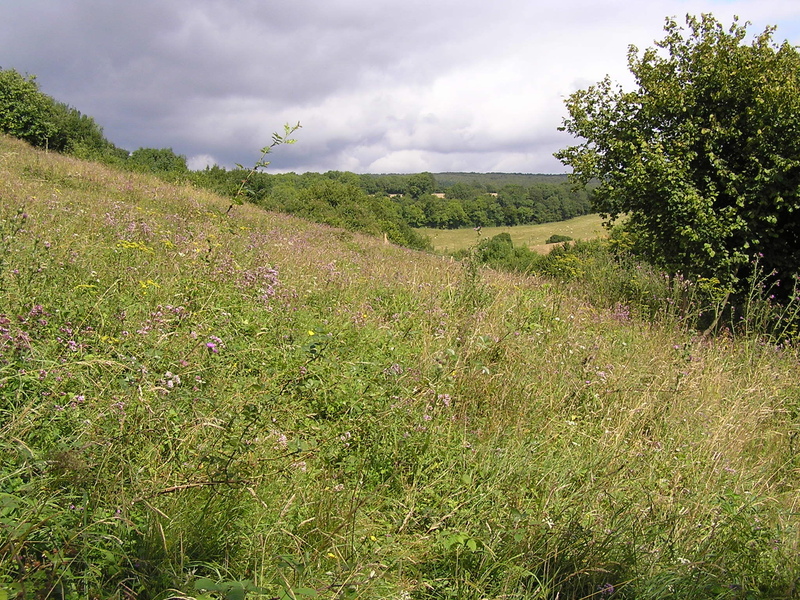
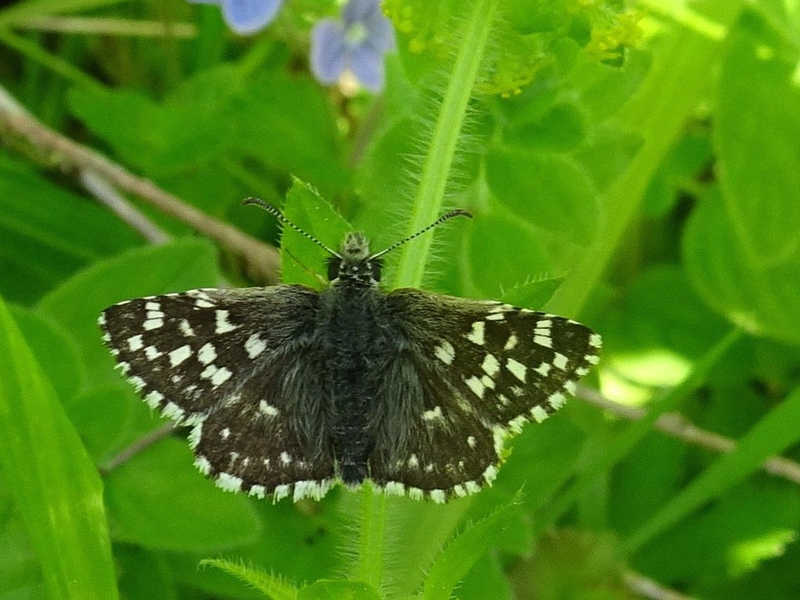
Much of the remaining chalk grassland in Sussex is north facing, so Levin’s south and east facing slopes are particularly special, especially for downland butterflies. On warm days in early spring, Dingy and Grizzled Skippers are a frequent sight, and as summer progresses Green Hairstreak, Chalk-hill and Small Blue butterflies can be plentiful.
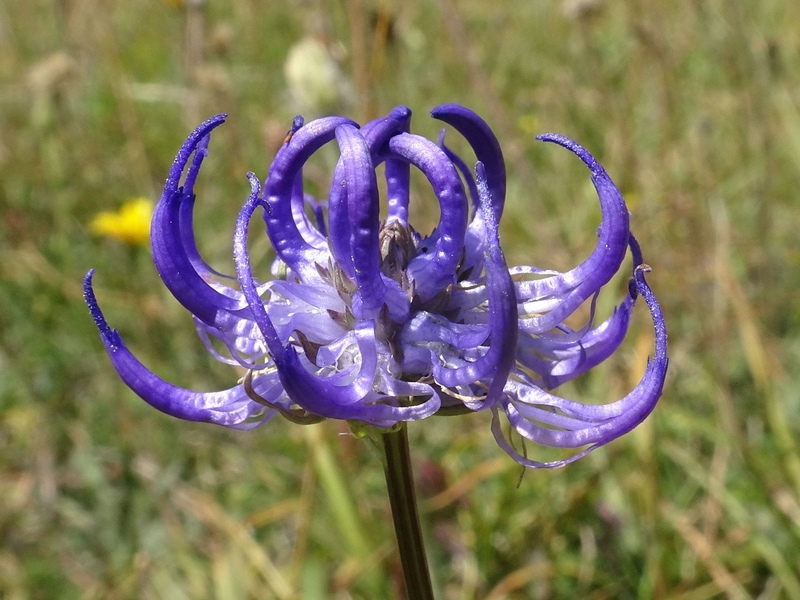
The pride of Sussex, or Round-headed Rampion, abounds on these slopes, as do several chalk-loving orchids including Chalk-fragrant and Autumn Ladies-tresses.
Levin also boasts a fine area of chalk heath - an even rarer habitat than the more familiar chalk grassland. An acidic wind-blown topsoil, originating from the last ice age, lies above the chalk and allows heather and Tormentil to grow alongside the chalk-loving species.
Another special feature of Levin is its thriving colony of Juniper bushes. Known for its berry-like fleshy cones, which are used to flavour gin, Juniper has become rare in Sussex due to loss of habitat and overgrazing of young trees.
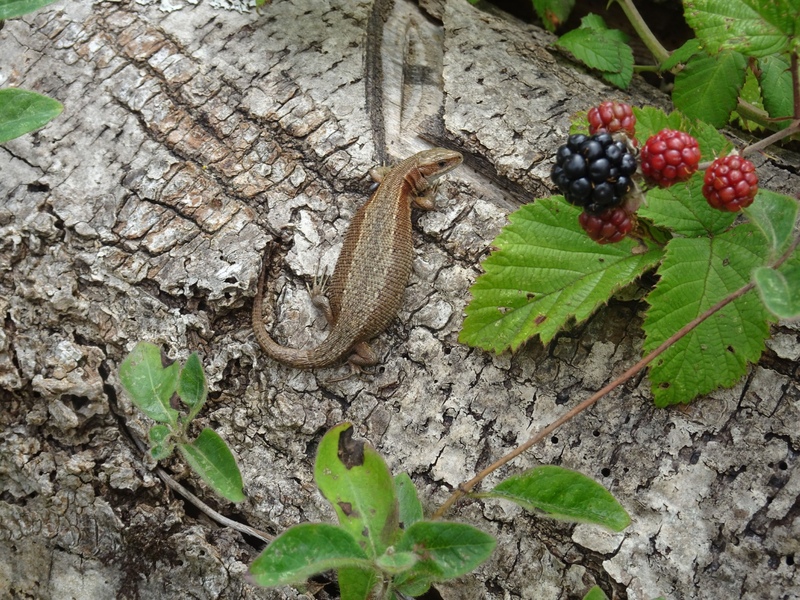
There is some semi-open deciduous woodland at the top of Levin hill containing much dead wood habitat. Here Common Lizards and Adders can be found basking, as well as a few striking beetle species, including the splendid Golden-haired Longhorn beetle. In the dappled shade of the mature beech trees can be found Sanicle, an attractive umbellifer that is declining nationally.
Breeding birds at Levin include Yellow-hammer, Bullfinch, Common and Lesser Whitethroat, Chiffchaff and Garden Warbler. On autumn passage, Wheatear, Spotted Flycatcher and Redstart are frequent. In winter the scrubby hedgerows are alive with thrushes including Redwing, Fieldfare, Mistle and Song Thrush. Hawfinch are regularly seen, often perched atop the higher branches of Ash and Hazel.
More about Levin HERE