
On the reserves - what's special about Ditchling Beacon
Steve Tillman
Steve's current role in the Trust is Land Advisor for the Wilder Horsham District project. Previously, he was Reserves Manager with responsibilities including Ditchling Beacon
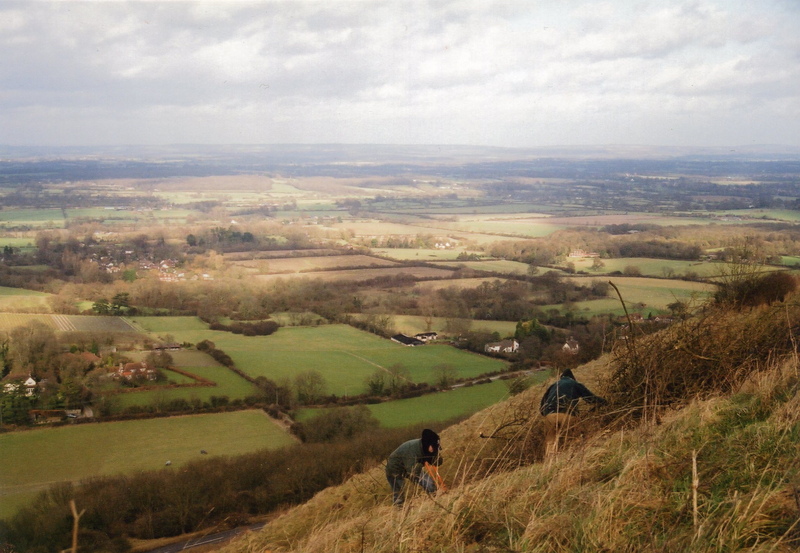
Ditchling Beacon is one of the highest points on the South Downs, with commanding views of the Ashdown Forest and over as far as the North Downs. It's provided me with some of the biggest joys and the biggest challenges of the many sites I looked after in my 27 years of working at Sussex Wildlife Trust.
This registered Common site is owned by a local community group, Ditchling Common and Tenantry Down Limited (who own all the Commons in the Parish), and has been leased to Sussex Wildlife Trust for nearly forty years. The association has always been a really helpful group, whose members have known the site over generations. We appreciate how much they have supported our management decisions over the years.
Two of many highlights were finding the elusive Musk Orchid, two inches tall and a key species for the site, and seeing the return of the Silver-spotted Skipper butterfly.
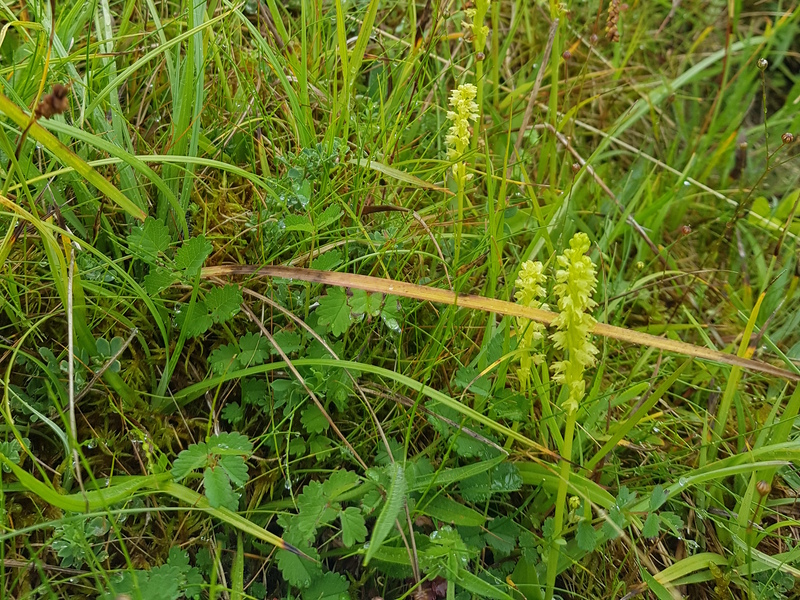
Many volunteer tasks have been undertaken, maintaining the critically important rare chalk grassland. From May to August, this rich habitat provided me with a spectacle of specialist species. These include Round-headed Rampion, Horseshoe Vetch and Common Rock Rose, as well as many types of orchid, such as the Common Spotted and Bee Orchid.
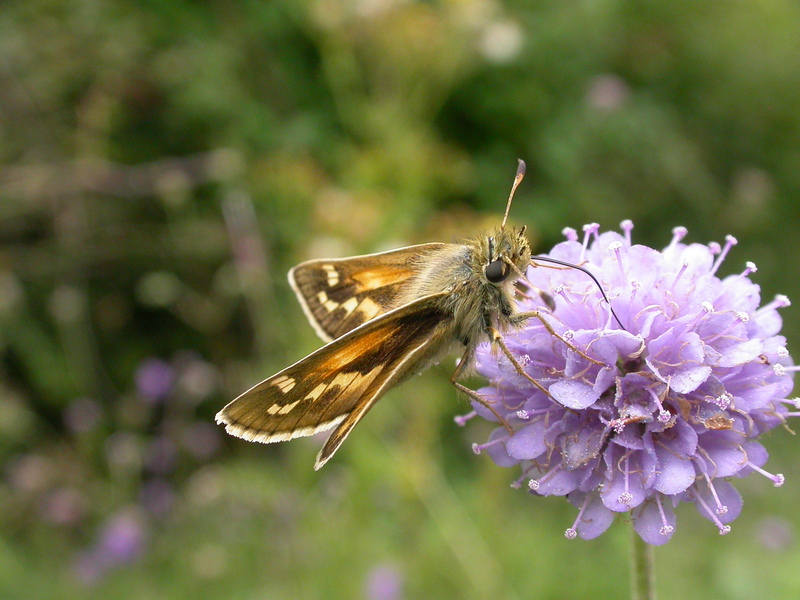
Butterflies, such as the Chalk Hill Blue, fly in late summer in sheltered corners of the reserve, often inaccessible to many. However, scrub and woodland was always a challenge, and without our volunteers, this habitat would have been lost a long time ago. But, goodness, it is a steep site to work on! It often involved a long walk down a hill to the work site, and, of course, a long, tiring walk back to the truck at the end of the day, laden with tools.
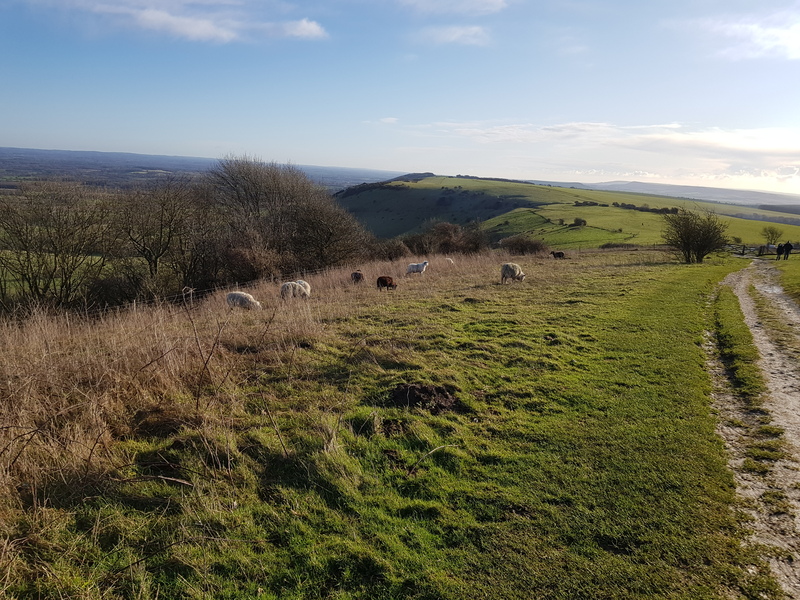
It was a challenging site at times over the years, introducing grazing back onto the nature reserve and the ongoing struggle to control scrub. In recent years, Ash Dieback came to dominate my time. We had to undertake safety works to manage the removal of dead and dying Ash trees overhanging the Bostal Road running through the middle of the site. The road connects the village of Ditchling to the bright lights of Brighton.
The closing of the road, which doesn't happen often, provided me with a unique opportunity to stroll up and down this site without fear of being run over, whilst big forestry machines made the roadside safe. That is a memory that will stick with me for some time. It was sad to remove so many trees, but I enjoyed the opportunity to access so many normally inaccessible corners of the site from the road.