
New Arrivals
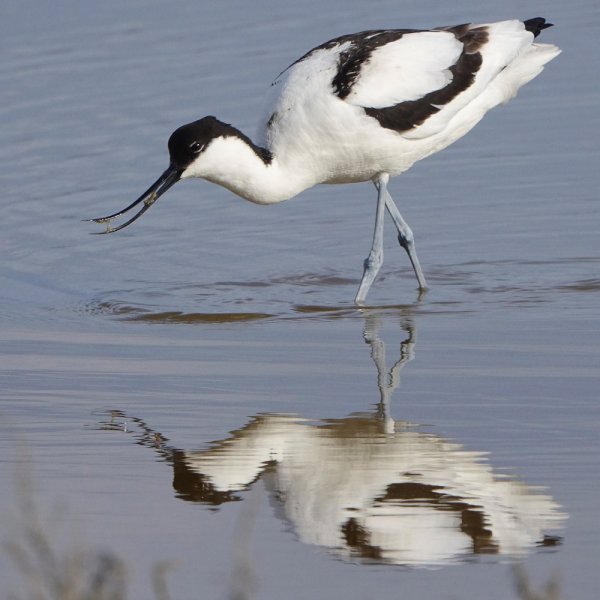
Since 1970 when Rye Harbour Nature Local Nature Reserve was first declared by the County Council there have been many changes in the breeding bird fauna of the reserve. The list below gives some of the most notable additions since 1970 along with dates of first breeding in Sussex as a whole and at Rye Harbour Nature Reserve.
SPECIES SUSSEX RYE HARBOUR NR
Little egret 2001 2019
Marsh Harrier 2004 2008
Avocet 1979 1994
Little Ringed Plover 1948 1998
Common Gull 1932 2006
Mediterranean Gull 1989 1994
Great Black-backed Gull 2000 2011
Sandwich Tern 1975 1984
Cetti’s Warbler 1975 2003

Changing climate has undoubtedly played a part in the northward expansion of species such as Little Egret, Mediterranean Gull and Cetti’s Warbler (above) in recent years (though interestingly Little Egret was a UK resident until about 500 years ago before persecution and possibly climate change resulted in its extinction). However, successful breeding of many of these species would probably not have occurred without the sympathetic management of shingle and wetland Habitats at Rye Harbour. At Castle Water for instance, extensive reedbed creation was undertaken in 2003 as part of the EU LIFE – Nature project ‘reedbeds for Bitterns’ and this was followed in 2006 by work funded by the governments ‘Aggregates Levy Sustainability Fund’. These projects created 130+ islands, extensive areas shallow water and freshwater ditches and increased wetland area by 15 ha. Since then regular management has been carried out to maintain the reedbeds, mainly through removal of encroaching willow. This has been of great benefit to species such as Marsh Harrier, Cetti’s Warbler and Little Egret through the provision of extensive areas of suitable breeding and/or feeding habitat.

The three species of gull on the list and Sandwich Tern (above) have principally benefitted from the creation and maintenance of over 20 islands on Ternery Pool (though Great Black-backed Gull (below) first nested locally on the roofs of Rye Wharf and often nests successfully on the Martello Tower in the village), while both Avocet and Little Ringed Plover have profited from similar projects on Harbour Farm which have created around 25 islands since the building of the secondary sea-defence in 2006. Also of great benefit to many of the species on the Reserve was the recreation of around 20ha of new saltmarsh on former arable land on Harbour Farm in 2011. Avocet in particular love to feed on invertebrates in the shallow water here and they also occasionally nest on some of the open areas created during the project. In addition, many of these species will undoubtedly have benefitted from the provision of predator fencing around the major areas of shingle and some of the more vulnerable islands to exclude species such as Fox and Badger, as well as control of pest species such as American Mink (to protect our populations of Water Vole and nesting wetland birds). I wonder which new species will be breeding here in another 50 years time!

Comments
Interesting stuff, Chris. My guess for the next ‘new’ bird to nest at RHNR is a tern species – but perhaps that’s wishful thinking?!
26 Oct 2020 13:18:00