
Nature Recovery proposals based on weakened protections
By Tor Lawrence
Chief Executive
Following the Environment Act we are now seeing documentation published which starts to reveal the detail of how this legislation will deliver for nature. Last week the Government published a major document on national nature protections. Sussex Wildlife Trust believes this will fail to stop nature’s decline, let alone enable it to recover.
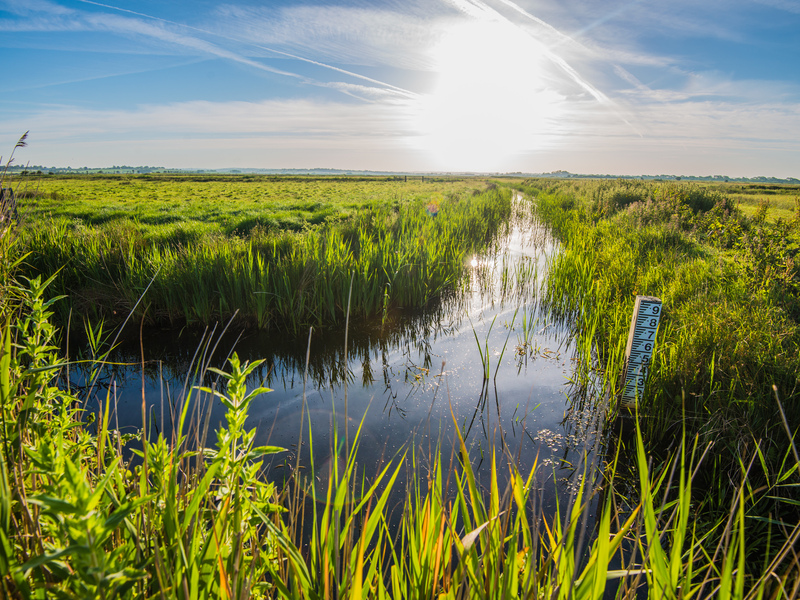
One of the new publications is the Nature Recovery Green Paper. This is a consultation outlining changes to protections for sites and species, and details on the Government’s proposed plans for delivering 30% protection of land and seas in England by 2030. Thankfully we have colleagues at our National Wildlife Trust Office who are digging into the detail on behalf of all of the Wildlife Trust movement. This Green Paper consults on proposed changes to protected sites for nature, including those protected through the Habitats Regulations. The protected site network helps to ensure many of England’s most important sites for nature have long-term protection and good management. In Sussex this includes iconic sites like the Arun Valley, Pevensey Levels and Ashdown Forest.
Strengthening protections for our most valuable sites is crucial if the Government wants to meet its legally binding target to halt the decline in nature. Here in Sussex we’re seeing protected sites failing due to the huge pressures they are under from excessive nutrients in the freshwater systems, over abstraction of water leading to dried out wetland habitat, recreational pressure impacting key species and disregard through development.
Stripping back the protection for these sites lays bare the Government’s level of commitment to the environment. We need this Government to meet its commitments on nature’s recovery
The Green Paper also proposes giving the Secretary of State sole power over which sites should be designated for nature. Giving Ministers the power to designate sites should sit alongside experts such as Natural England to continue their role in doing so – speeding up the protection of more sites.
We welcome the proposal for a new Nature Recovery designation in the Green Paper. To ensure this helps contribute to the Government’s mission to protect 30% of land and sea by 2030 this designation must deliver robust protections to create more space for nature.
On the Nature Recovery Green Paper, Joan Edwards, our National Director of Policy and Public Affairs for The Wildlife Trusts said:
“…Currently, nationally important protected sites for nature are still threatened with inappropriate developments which increase flood risk, put wildlife at risk and set us back in the fight against climate change. The Nature Green Paper must ensure these special places have stronger protections and that decisions to designate them are led by the science. Sites of Special Scientific Interest should not become Sites of Political Convenience"
Comments
Disappointing conclusion from this consultation document.
Does the fact that external development / use is impacting on the quality of our protected sites need some proposal as to what needs to happen?
25 Mar 2022 13:07:00
We keep trying to remind our MP Sally-Ann Hart that looking after the environment is essential but we’re always told the government has it all under control which is certainly not the case with Southern Water for example polluting our waterways. Even ESCC seems on a mission to destroy as much wildlife as possible through the indiscriminate use of weed killer.
25 Mar 2022 19:41:00