
Natural Simulcra art project at Rye Harbour
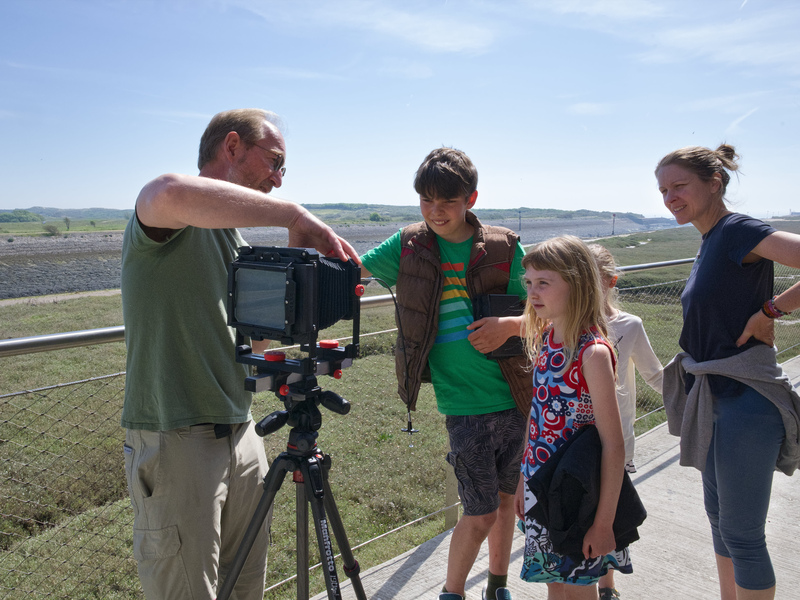
Jonathan Lamb is a final year photography degree student who uses 3D scanning and printing to examine how landscape is constructed. As part of his research at Rye Harbour Nature Reserve, he has contributed to several Wilder Learning Workshops for young people at the Discovery Centre. We asked him more about it.
Tell us a bit about yourself and your project
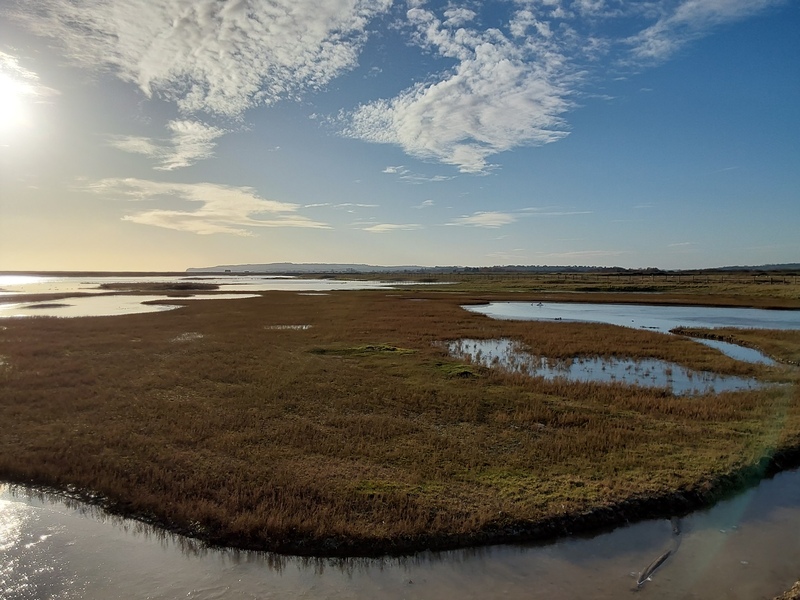
I have been researching Rye Harbour for a while. I’m interested in how our natural places are constructed. The nature reserve at Rye Harbour is largely made by humans, and maintained by the hard work of the staff and volunteers. Yet we define natural as “existing or derived from nature; not made or caused by mankind”. So in a way the place is a simulacrum - "something that replaces reality with its representation”. This became the topic of my dissertation.
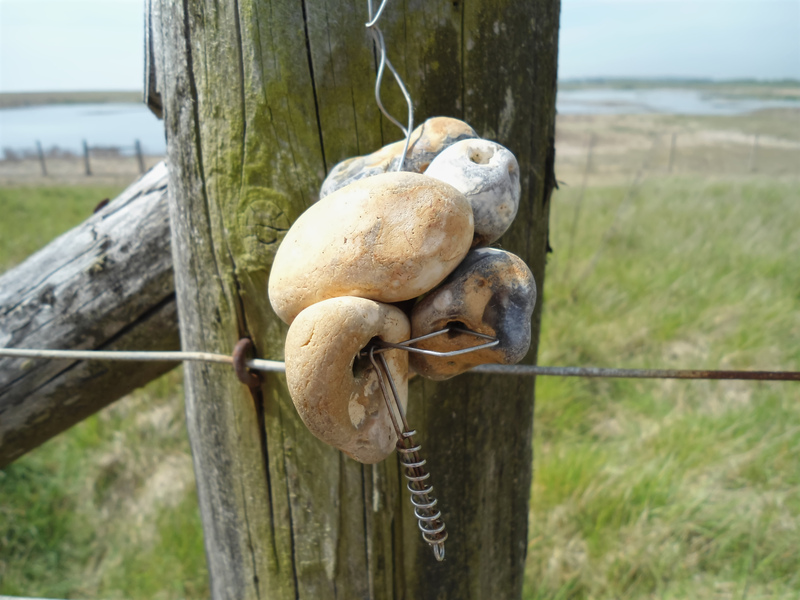
Why is this important? Because our attitude to nature is influenced by how we regard it. If we see ourselves of part of nature, perhaps that changes the importance we assign to its management? I’ve tried to do something unusual to catch people’s eye and encourage them to think about landscape in a different way. My panoramic photograph, very typical of the beach at Rye Harbour, is itself digitally constructed from a number of images. The final picture is really high quality which means it can be printed very large, making the foreground objects the same size as they are on the beach.. The simulacra stuck to it are 3D printed models of beach objects recorded using photogrammetry - over a hundred pictures of each item are used to build an exact copy.
I started volunteering last year at the Discovery Centre and was very lucky to find an excellent collaborator in the new Wilder Learning Officer Aimi Rifat. Together we have put on a number of workshops for young people using photography and 3D printing to look at the natural - for example we have turned the meeting room into a camera obscura, taken polaroid pictures with a 3D printed camera, looked at 3D printed and felt models of phytoplankton to learn about blue carbon, and made cyanotypes and mono prints using objects found on the Nature Reserve. It’s been very rewarding for me and I believe the children have enjoyed it as well.
Find out more about Jonathan's project