
My favourite reserve - Woods Mill, by Sean Stones
We asked Woods Mill regular, and great wildlife photographer, Sean Stones why he loves Woods Mill Nature Reserve so much.
"There are different things to love at Woods Mill at different times of year. There are so many seasonal highlights.
Early springtime starts with the Frogs, Toads and newts in abundance, along with the increased bird activities, and activity of the Water Shrews feasting on spawn, Tawny Owls calling, and the enchanting song of the Nightingales bringing joy as they hail the start of the summer. Then you've got the raspy call of the Whitethroats, the summer song of the warblers, and almost murderous calls of the Water Rails.
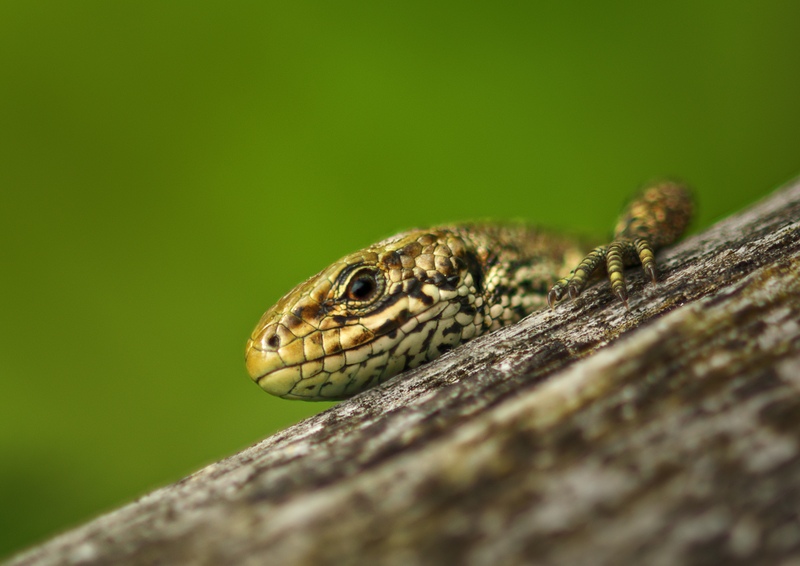
I love the emergence of the Grass Snakes in the reedbeds and those first sightings of the Common Lizards basking in sunshine. As the days lengthen, the insect activity builds, the meadow grass grows so quickly you can almost hear it, butterflies emerge and dance on the breeze, Roe Deer return to the meadows and reveal themselves at dusk.
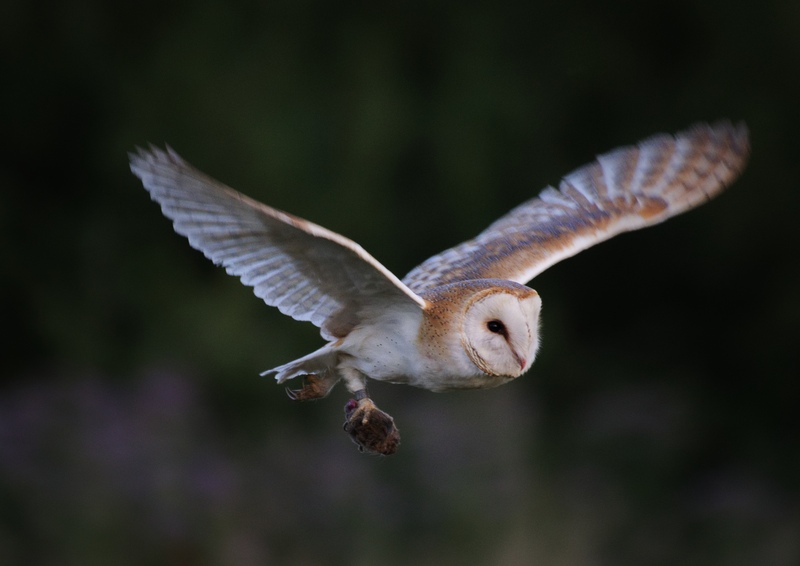
The magic of seeing a Barn Owl silently glide across the reserve, the unmistakable purring of Turtle Doves in the summer, the steady tap-tap-tapping of the Greater Spotted Woodpecker and the mocking yaffle of the Green Woodpeckers that spot you before you make them out in the grass. Trusting bunnies that let you approach before jumping and skipping into the Blackthorn, summer flowers on Brambles, that entice woodland butterflies from the trees, the Hoverflies that mimic wasps and bees whilst enticingly hanging in the air - until you raise the camera.
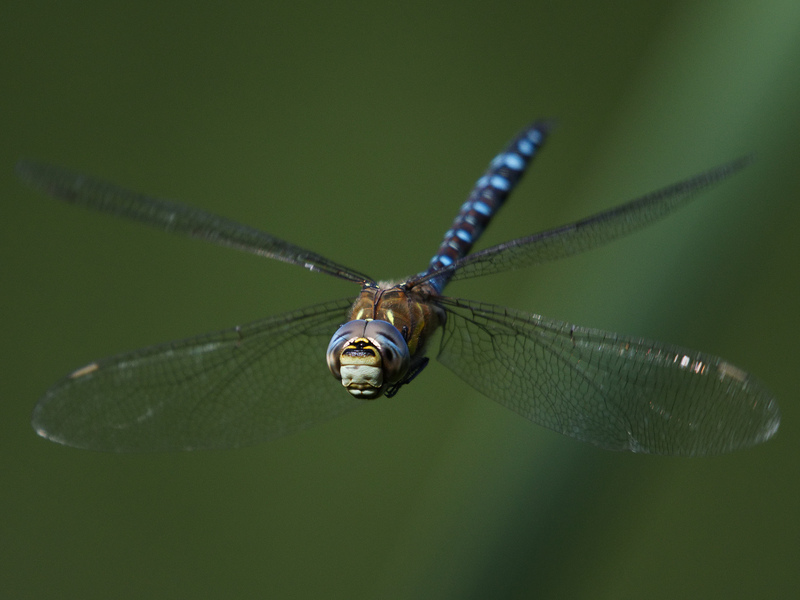
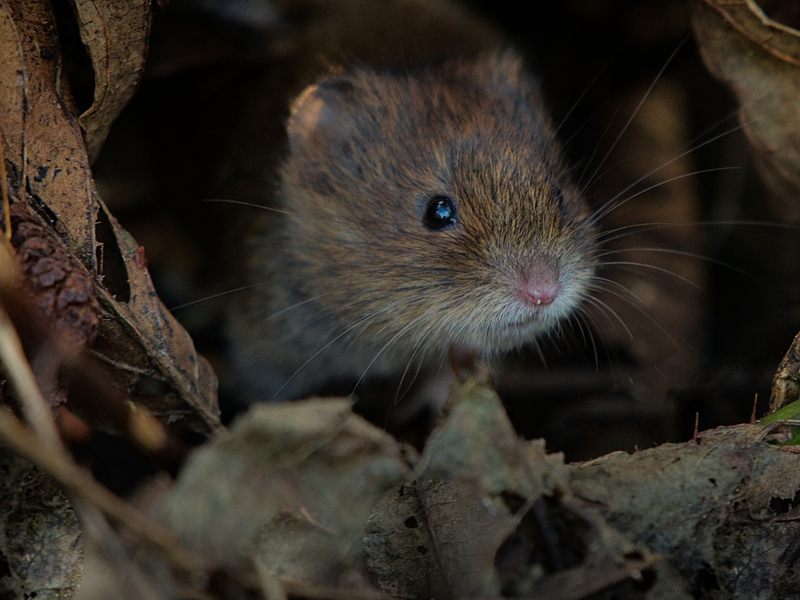
Glow Worms lighting the path side grasses as you head back to the car. Dragons and damsels bejewelled by the early morning dew... the Kestrels, the Buzzards that fledge towards summers end, the Bank Voles stripping seed heads and scurrying through leaf litter, Hazel nuts forming, autumn colours and fungi.
The list is almost endless. And I haven't even mention the Swans, the Kingfisher visits, Tawny Owl fledglings high in the oaks, the screeching of Jays, the songs of the Wrens, the Robins that come to your hand, the Yellow-necked Mice in the woods, and that one special occasion when I saw a Long-eared Owl."
Comments
It all sounds lovely. What time to arrive for the nightingales?
20 Mar 2026 10:05:00
Sussex Wildlife Trust:
Nightingales should be singing again from mid-April to late May, and they sing in daylight too, through much of the day - try early in the morning (before 9am), or at dusk.