
Meet zombie fungi

Vedika Patel
Youth Ranger
The Deneway Nature Reserve is alive with fungi this autumn. I found a rare fungus during my first Youth Rangers session last week, the Cordyceps fungus. Cordyceps fungus, also known as the ‘zombie fungi,’ has a unique lifestyle. It typically grows on the larvae of insects through fungal spores, which infect the insect host, taking over its body and seemingly its mind. Through a combination of chemical and physiological warfare inflicted by the fungus, the infected host feels compelled to climb up a plant, bite onto a leaf and await death. Whilst the host is embarking on its final march, the fungus releases toxins which devours the hosts insides.
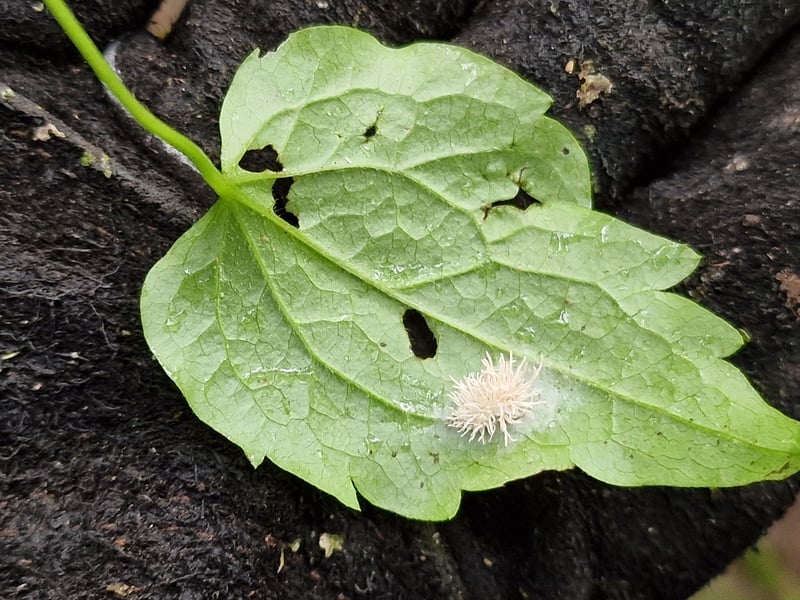
Unfortunately, after death, the host continues to be terrorized by the cordyceps. Once all the host’s nutrients have been metabolized, the fungus will sprout a mushroom-like structure from its corpse. These protrusions (stroma) contain sacs called asci- which contain the reproductive spores. Now high up on a leaf, the cordyceps will have the perfect point of attack: it can spread its spores and infect other insects’ nervous systems.
Surprisingly, the macabre Cordyceps has gained recognition as a health supplement. Ancient practitioners considered the fungus a powerful adaptogen and it is still used in traditional medicine for its anti-inflammatory properties. Emerging research is investigating whether cordyceps could help inhibit the growth of cancer cells, so it may even be used as a potential treatment for cancer.
Comments
I found this article so very interesting and really wanted to know more but it is finding the time.
31 Oct 2024 14:37:00
Fascinating read. Interesting to hear it helps inflammation and might help fight cancer.
31 Oct 2024 18:04:00
Is it safe to ingest it if one finds it? I have arthritis and anything anti-inflammatory is very welcome!
02 Nov 2024 23:33:00
Sussex Wildlife Trust:
We would never recommend ingesting fungi, for any reason. It's far too easy to misidentify them.