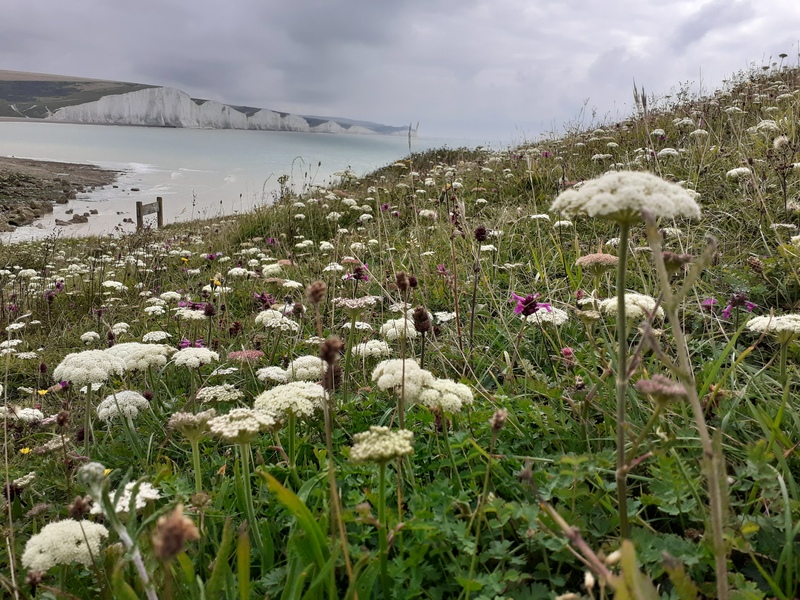
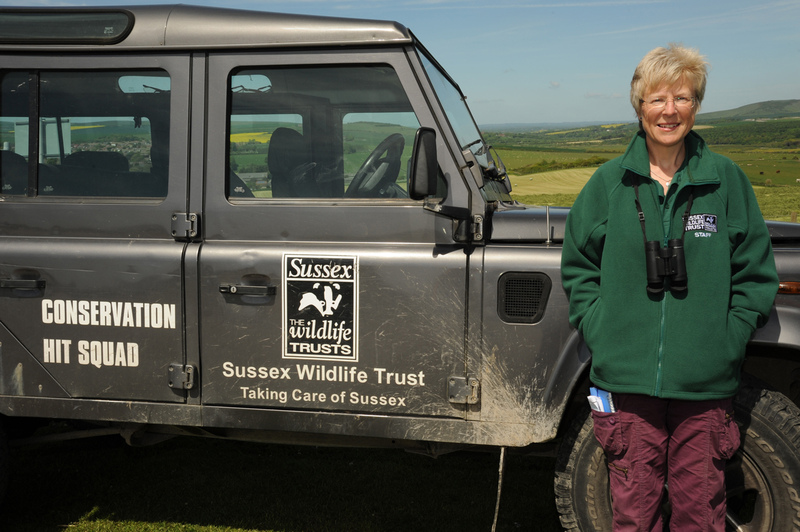
Meet the staff: Sarah Quantrill
Emma Chaplin
Communications Officer (she/her)
After an amazing thirteen years, Sarah Quantrill will be leaving Sussex Wildlife Trust. We caught up with her to find out a bit more about a career that has featured some fascinating twists and turns.
How long have you been with the Trust?
It will be 13 years in April.
Tell us a bit about yourself
I live with my partner, Sue, in Worthing and I’ve lived in Sussex since 1995.
What was your route into conservation, and your working life, in a nutshell?
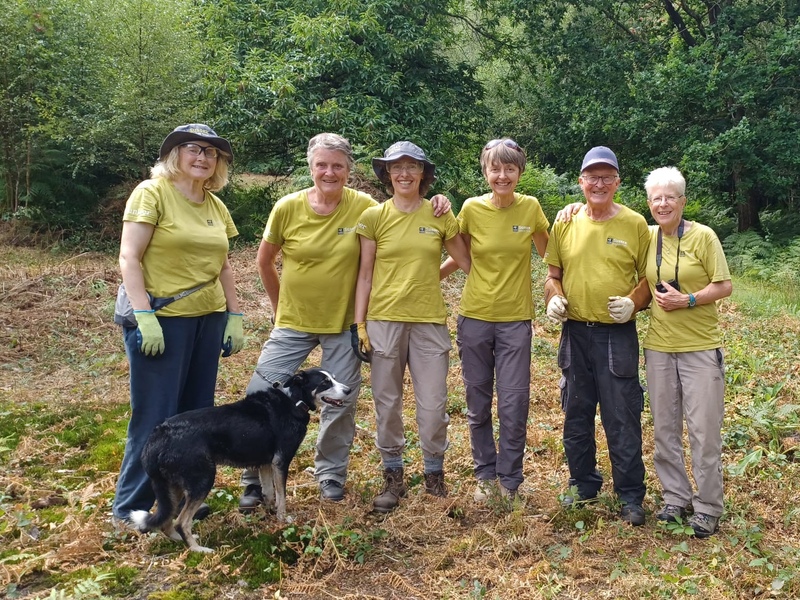
I've done all sorts of things! I have a degree in Geology, worked as a painter and decorator, then as housing manager for Homeless Action , a feminist housing collective in London working with single homeless women. I absolutely love windsurfing and worked as an instructor in many outdoor activities in the UK and abroad. In fact I met Sue at Beaulieu Outdoor Centre where we facilitated team development course and also ran a course called Women in the Woods to encourage women back into the outdoors . I returned to social housing working on varied projects and qualified as a Coach Mentor. I took redundancy and in 2010 started volunteering with Sussex Countryside Rangers. I really enjoyed it and was inspired to try and make it a career. I attended Brinsbury college getting an NVQ in Environmental Conservation and then became a trainee for East Sussex County Council, and finally got my dream job with Sussex Wildlife Trust. I'd drive past Woods Mill and say to Sue. "That's where I want to work". I started with the Saturday Hit Squad and then managed Seaford Head Nature Reserve – I felt like the cat who’d got the cream! During my time I’ve been lucky enough to work on all our Nature Reserves. In recent years, I've been a Ranger.
Do you think things have changed for women in conservation over that time?
There are definitely more women doing practical, land management roles these days and young women are coming into it as a career. It's a pleasure to work with (fellow Ranger) Rosie Hutchings.
What skills do you need to do your work?
Practical habitat management skills, problem solving, working as part of a team. You need to be committed to it, because it's not well paid, and to the ideals of the organisation.
What have you most enjoyed and what are you most proud of?
I've worked with so many wonderful volunteers and colleagues over the years to maintain and improve our Nature Reserves. I'm particularly proud of what we have achieved at Seaford Head. We wouldn’t have done it all without the volunteers.
What part of your work is most challenging?
It’s hard physical work. But I love that. You need to be patient (and it’s not my strength) as the improvements we want to make to the habitats don’t happen overnight.
Irresponsible dog owners can be a challenge as can the impact of people who don’t respect the countryside. Lack of funds to do all the work we would like to on our reserves has been frustrating, so a new injection of money will really make a positive difference.
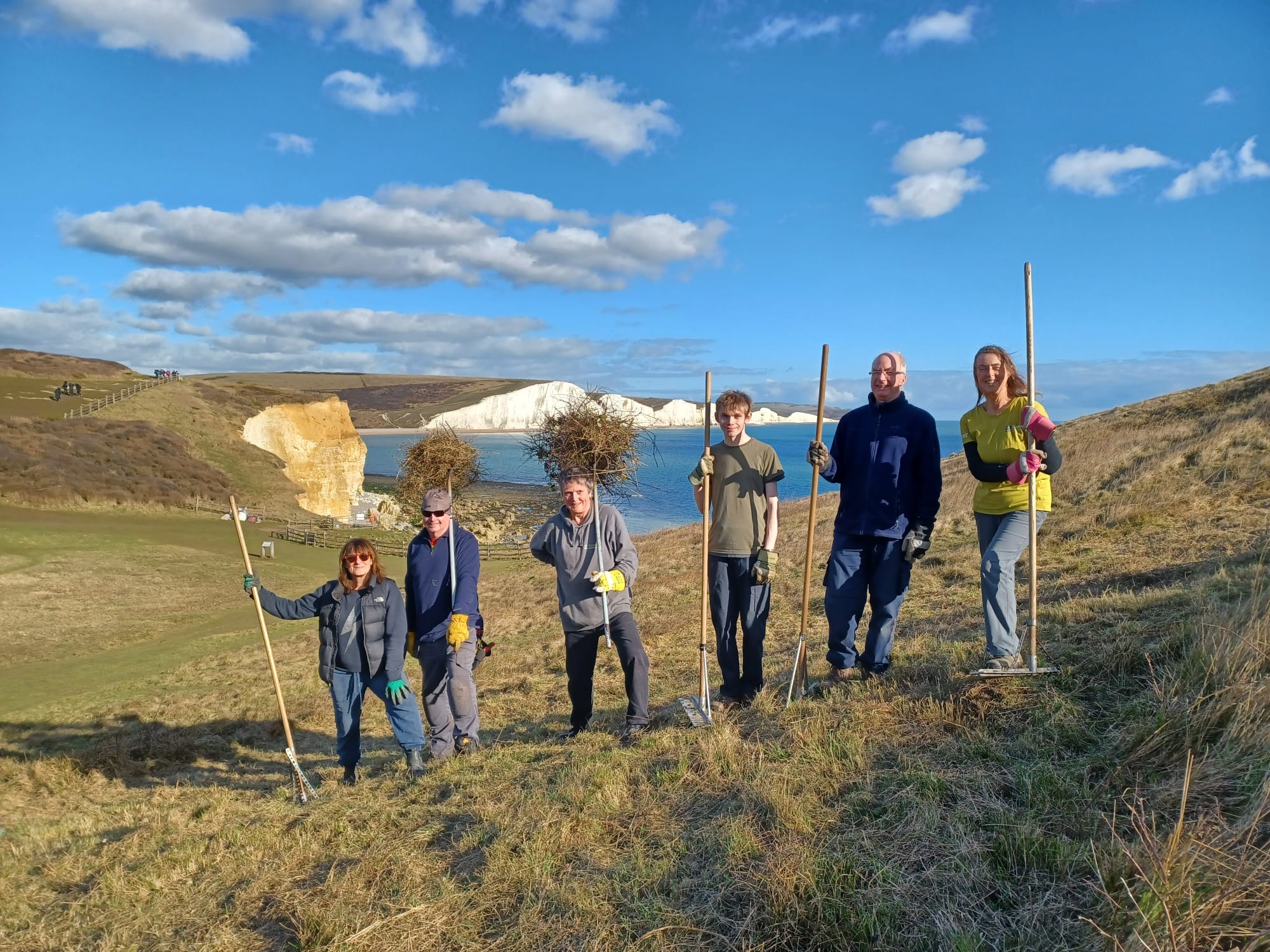
Where’s your favourite place on any of our reserves?
Hope Gap at Seaford Head on a quiet day. I love seeing the changing view in different weather conditions, especially when I’m the only one there.
What are you looking forward to most after you stop work?
More time to play! Hopefully get back to windsurfing and mountain biking as well some travel at home and abroad. I expect I’ll still volunteer – I can’t imagine I won’t go to Seaford Head again! And I’ll continue to be involved with the Steyning Downland Scheme.