
Meet the staff - Jamie Parsons
Tell us a bit about yourself
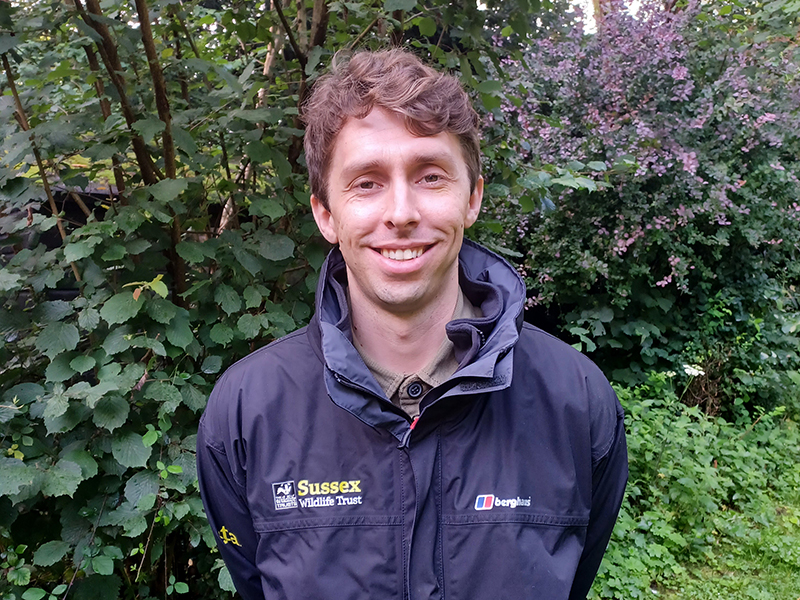
I was born in Haywards Heath. I now live with my wife Vicki and two year old daughter Emilia in the Ashdown Forest, in a village near where we both grew up. I've been working for Sussex Wildlife Trust since 2020. I joined as Reserve Manager - East and now I'm Head of Nature Reserves. I'd always loved nature but had never considered a career in it. I was thinking about being an architect or getting into arts and design. But then I went on a safari trip to South Africa with my parents and it changed everything. Speaking to the Rangers and Guides there, being so immersed in nature. I know this was what I wanted to do, and was lucky enough to have total support from my parents for changing tack to do biology A level. Then I did a foundation degree in Zoological Conservation in Newquay. It was really varied and allowed me to get a feel for conservation - at this point I was still thinking about going back to Africa. But as I learnt more about conservation in the UK and nature disappearing, I became more interested in finding work here. I ended up with a full degree after going to Plymouth to do Animal Conservation Science.
What I should have done during my studies was more volunteering to get practical experience - because I realised the problem with trying to get work is that you need that. I became a full time volunteer Assistant Ranger for the National Trust and had an amazing year, learning so much, managing heathland in the Surrey Hills, working with volunteers, using a chainsaw and brush cutter, driving 4x4 vehicles. Then I got a job as an Area Ranger with the National Trust on the 1400-acre Polesden Lacey estate managing the countryside team. It was a big step. I introduced a new estate management plan and a chalk grassland restoration project. Five years later, I got a secondment to the National Trust Consultancy Team for London and the South-east as an Assistant Wildlife Adviser which was all about problem solving and helping ranger teams achieve their nature recovery projects. Then lock down happened, I saw the role at the Trust and applied for it because I'd always wanted to work in my home county of Sussex.
Tell us about your role as Head of Nature Reserves
I'm excited about what the role can do. In conservation we don't talk to each other enough. Few have an overarching view, so this is an ideal role for me to bring projects and teams together. It pains me the way nature is being destroyed in Britain, but I know we can turn it around. I believe in a landscape scale, coordinated approach. It's not just about creating high quality core areas of habitat. You need to join habitats up. This is where this role comes in, we need nature reserves in great condition alongside a connected landscape. I like finding solutions for nature recovery on our reserves as well as engaging with other organisations and partners.
What are the biggest challenges?
There's a lot that needs unpicking. We need to make sure our policies and work practices enable us to make our reserves bigger and better, create more reserves and join them all up in a world that is rapidly changing around us. Focussing on key geographical areas, thinking about volunteers, contractors etc. It's long term thinking - 60-100 years ahead.
What are your favourite Trust reserves to visit, when, and why?
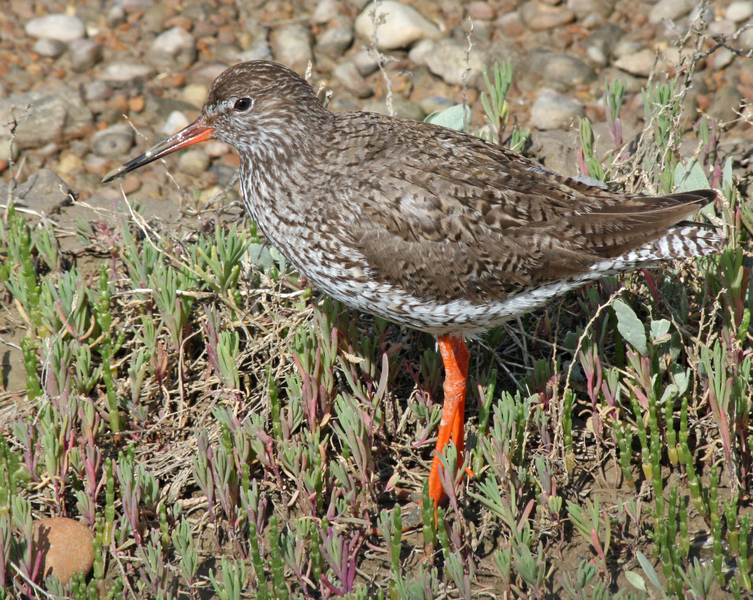
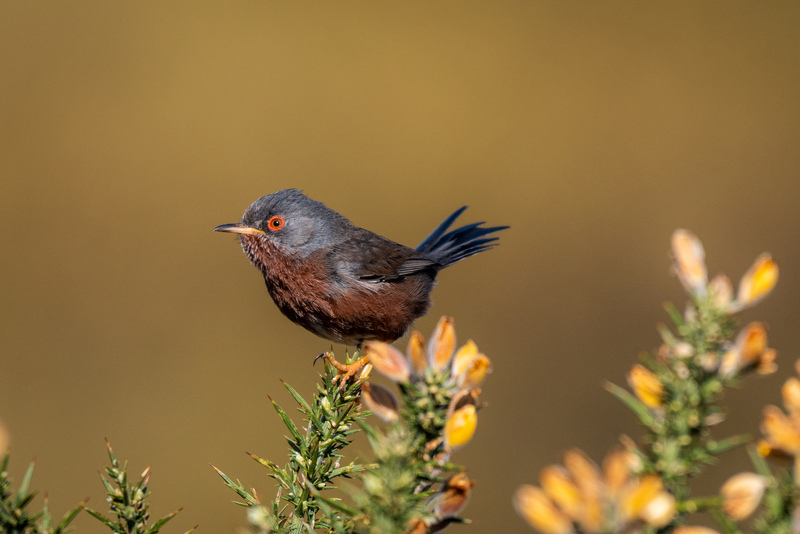
My favourite type of habitat is not a mainstream one, it is ‘edge’. These are areas often between habitats where there is fluctuation of conditions, creating dynamic and diverse habitats. Areas like between the high and low tide lines on the salt marsh at Rye Harbour Nature Reserve where you can spot waders like Redshank or Ringed Plover feeding on the invertebrate rich mud, racing to cram in as much food as they can before the tide pushes them off. Migration season of spring or autumn is great a time to visit salt marsh as you never know what will show up. My favourite habitat though is wood pasture (the wilder cousin of woodland), so Ebernoe Common has to be at the top of my list. Particularly the area on Butcherlands where we are regenerating wood pasture creating amazing areas of scrub habitat in between grassland and woodland. This edge is packed full of birds (my favourite species group) like Garden Warbler, Nightingale and even the very rare Dartford Warbler creating a cacophony of song in the spring.
How do you relax?
Being at home with my wife and daughter! We're lucky enough to have lots of outdoor space.