
Meet the staff - Alex Worsley
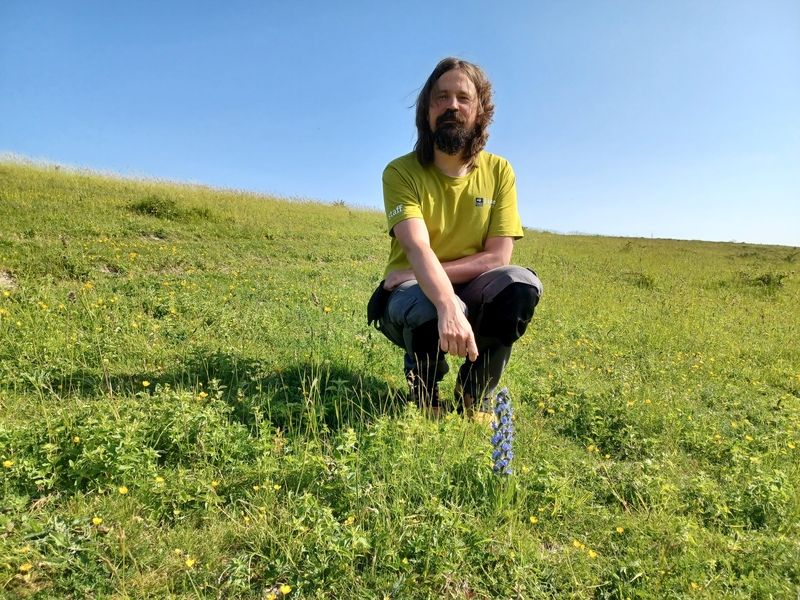
We catch up with Alex Worsley, Senior Ecologist
Tell us a bit about yourself
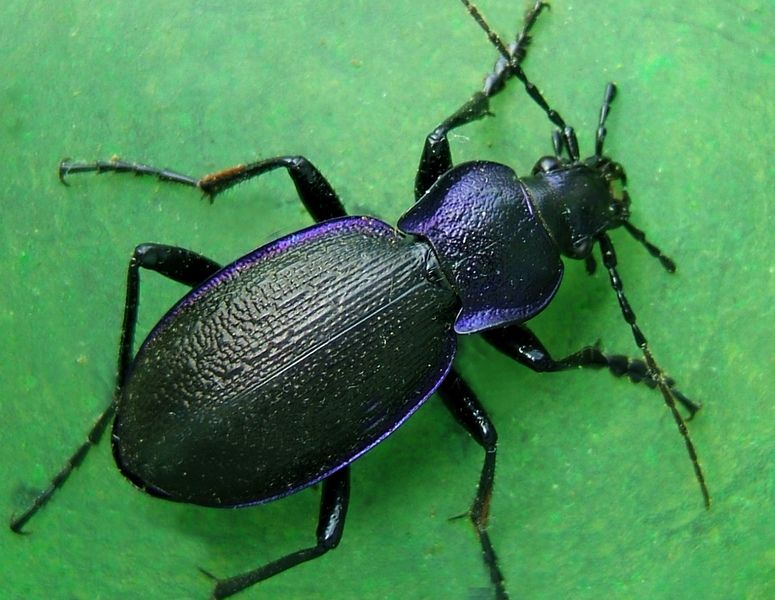
From a young age I was fascinated by insects and an early memory is finding Violet Ground Beetle Carabus violaceus and Stag Beetle Lucanus cervus near to my childhood home in Devon. Age 10 I got my first guitar and nature took a back seat. In my late twenties I started volunteering with a local conservation group in Brighton. I moved to the South West to retrain, volunteering first with the National Trust, then Devon Biodiversity Records Centre (DBRC). In 2018 I enrolled on the MSc course Biological Recording and Ecological Monitoring then spent a year working for the Bumblebee Conservation Trust. I then worked as Farm Advisory Officer, with a focus on water quality and habitat restoration. But my real interest is in Ecology, so when I saw this role advertised it sounded like a dream job and I am thrilled to be doing it.
How are you finding your role here so far?
The staff across the trust have been enormously welcoming and helpful. I have a lot of reserves to get to know and as I started at the end of May it was straight in at peak survey season. I have had a lot of help from ecologist Jon Curson and the Land Management Team, especially Mark Monk-Terry. Jon has a vast knowledge of Sussex wildlife and he has been showing me some key species and management issues. I’ve been out on invertebrate surveys with (former Senior Ecologist) Graeme Lyon, which has been invaluable.
Are there any species you have a particular interest in?
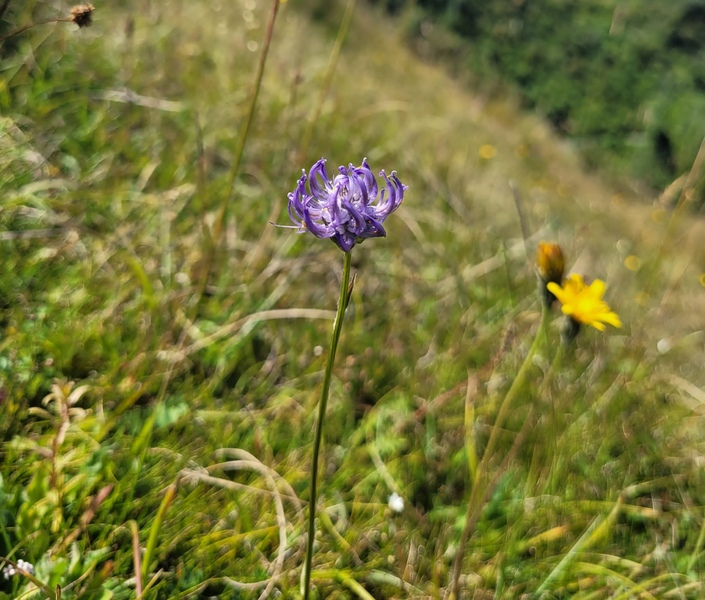
I suppose my ‘specialism’ would be vascular plants. When I had my camper van (before parenthood!), I would regularly shoot off to botanical hotspots to go plant hunting. The allure of calcareous habitats has always been strong, so it’s exciting to be working across the Sussex Wildlife Trusts chalk grasslands. More recently I have become very interested in invertebrates and Sussex has such a wealth of habitats to see new and exciting species. Even within my first month I have seen a huge number of lifers.
What is your favourite time of day to be in nature and why?
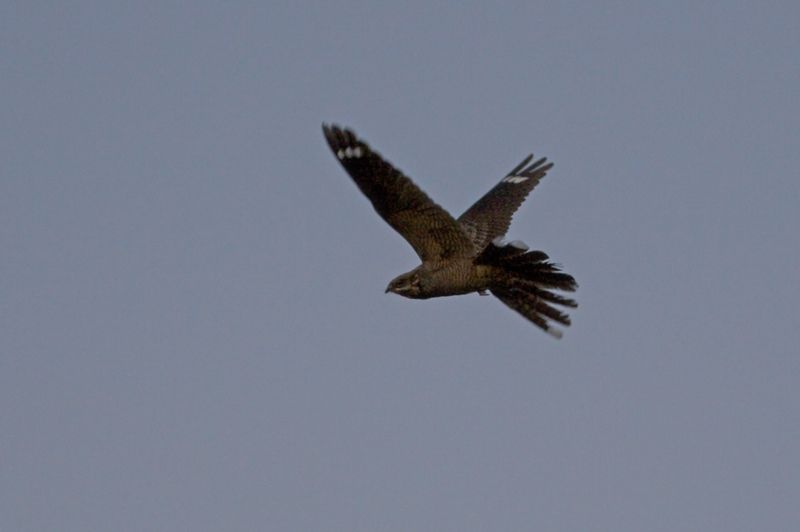
I am naturally a night owl, but being out first thing in the morning is one of favourite things, hearing the birds sing and seeing the sunrise. I just find it hard getting out of bed. That said, much of the invertebrate activity doesn’t really get going until later in the morning when things start warming up. Being out at night in nature is also pretty magical, especially on sites where you might have Nightjar churring and bats and moths flying – so any time is a good time. Over winter I like looking for bryophytes.
What qualities do you need to do it?
Patience, focus, curiosity and drive. Also, a slightly obsessive personality and attention to detail. It takes a lot of time to learn identification skills. This is especially true at first, as a lot of the terminology used in plant and invertebrate ID can take a bit of time to absorb and digest. Getting to know your fieldcraft is also important, keeping an eye out for the micro-habitats that some of the really specialist species need.
What’s your favourite view or place in Sussex?
I still have so many places to explore. Ask me in a year's time…
Comments
Thanks for this, always interesting and informing to hear about people’s career trajectory. Particularly how their character type channels their career path. Great photos too!
18 Jul 2023 10:27:00