
Meet the people behind the bio-bead clean up
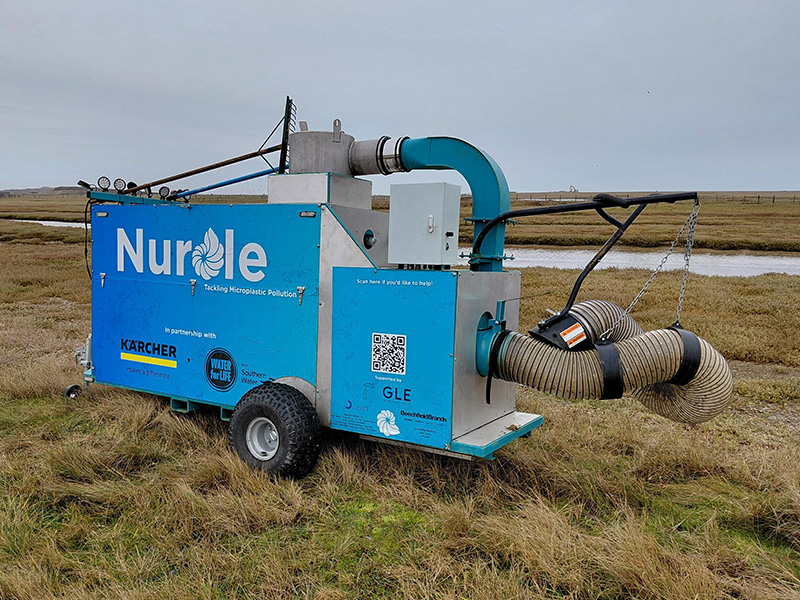
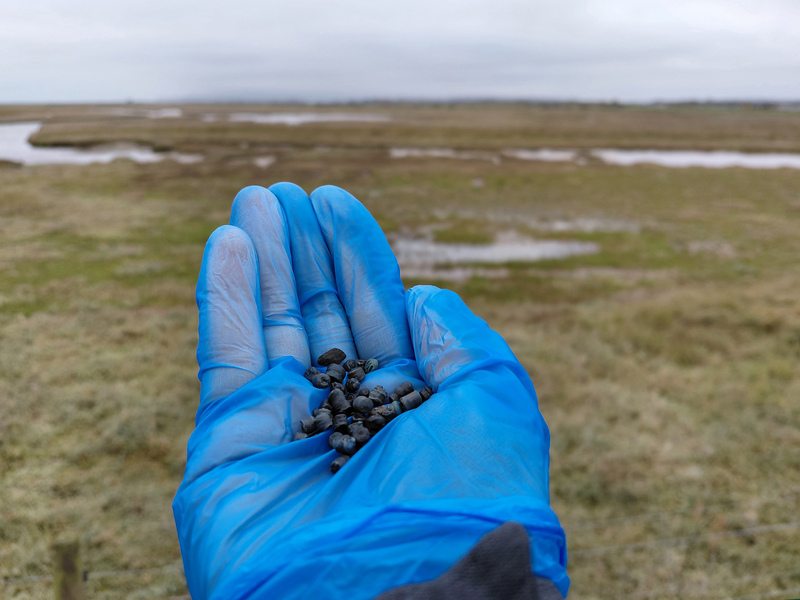
In November 2025, millions of small plastic pellets known as bio-beads were released into the sea after a technical failure at Southern Water's Eastbourne wastewater treatment plant. Despite our best efforts to prevent it, these managed to make their way onto Rye Harbour Nature Reserve.
Due to the delicate nature of the habitats on the reserve, we consulted with many experts to create a plan that would keep damage to an absolute minimum. The team at Nurdle were commissioned to lead the clean-up. We spoke to their founder Joshua Beech, who took his frustration at plastic pollution and turned it into a revolutionary enterprise.
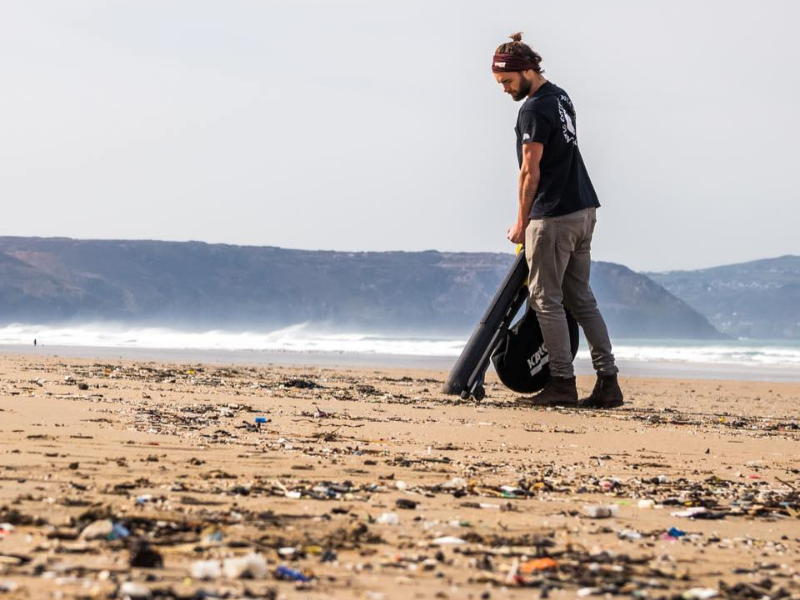
What do you do at Nurdle and how did you get involved in helping to remove the bio-beads at Rye Harbour Nature Reserve?
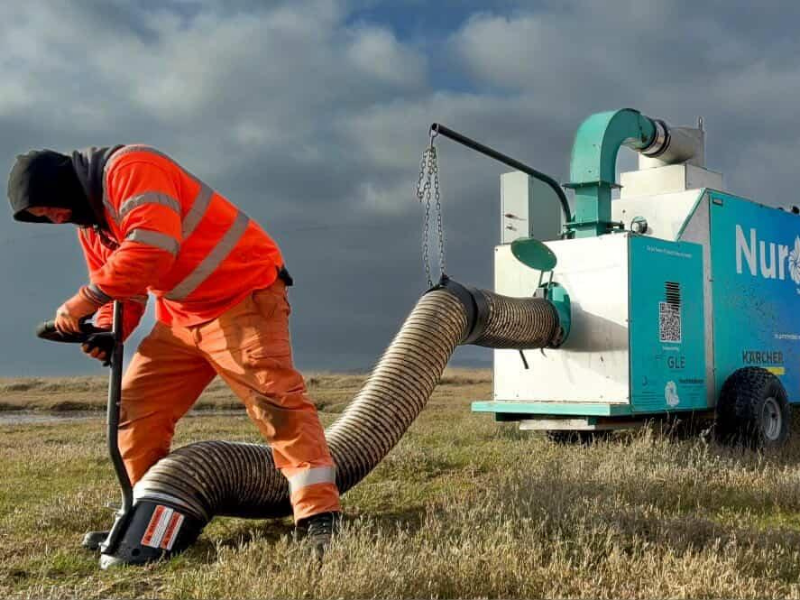
Nurdle is my non-profit venture, we travel around the UK removing microplastics from the environment. We got involved in helping remove the bio-beads at the reserve mostly through our past work. We have cleared SSSI and Ramsar sites for plastic pellet pollution before, so once we were permitted to trial, we always knew it would work. We have a study showing a 91% reduction in all plastic pieces in a salt marsh through our methods after only one complete pass of the reserve we cleaned.
Why did it take a while before you started clearing the beads on the reserve?
There were quite a number of hoops to jump through to prove we would have no negative impact on the reserve. Once we could showcase that the site's delicate habitat wouldn’t be affected by removing the plastic, we were given the green light to crack on with the clean-up.
Have you found many bio-beads on the reserve?
The volume of bio-beads in the reserve is incredibly low compared to Camber Sands. With the predominant wind direction south westerly and only one way in and out it’s not surprising they all mostly landed on Camber. It ranges from finding one bio-bead per 500g of sample, up to 39 bio-beads.
However, it's not necessarily about how much is there or how the bio-beads impact the bird populations in the immediate future - the most important thing is habitat conservation of the site, so that birds can live and feed here for hundreds of years to come. Whilst we are removing the bio-beads, we are also collecting plastics that have migrated into the reserve. Things like fishing ropes, bottle caps, and wrappers are the most common! These items will break up into micro and nano plastics in the reserve (plastic never breaks down) - so we’re getting everything!
Where did you find the most bio-beads?
It’s hard to say and the variance is quite high. Near the inlet sluice we have the highest numbers but it’s drastically different across the reserve so the confidence in our data isn’t great. We're working through the data currently and we've got some more work to do so we'll be able to provide you with some confident figures by your next newsletter.
How are Southern Water making sure this doesn’t happen again?
Southern Water are working tirelessly at Eastbourne water treatment works to install stronger and more resilient containment measures for the bio-beads. This includes engineered mechanical improvements to containment screens, intensive care site operating plans and the use of cameras with AI capability to provide early warning of any unusual movement of bio-beads within the process. In the case of any future mechanical failure these improvements will enable proactive intervention, including rapid shutdown of process units, to prevent this happening again.
At some point in time a shipping container will lose one or more containers in the English Channel containing pellets, just like an oil spill there will be a procedure to make sure this wonderful nature reserve is protected as soon as the alarm is hit about pellets again. Our plastic production is increasing exponentially so it is almost guaranteed to happen. This year alone we have seen huge pellet spills in Norfolk, India and Portugal with the biggest ever spill nearly 1,400 tonnes in Sri Lanka a few years ago. Southern Waters bio-bead spill was 4.5tonnes! Microplastics and pellet spills are only just getting media coverage, but we’ve been cleaning this stuff up for years, so know first hand the huge impact it can have on the environment.
A huge thanks to Josh and the team at Nurdle for working tirelessly to remove as many bio-beads as possible from the reserve.
Sussex Wildlife Trust joined local MP Helena Dollimore in campaigning to ban the use of bio-beads in water treatment works, starting a petition which we’re proud to say has gained over 10,000 signatures.
Comments
Well done Josh and team!
04 May 2026 06:27:00