
Meet the farmers: Martin Hole

Martin and Gundrada Hole run Montague Farm, a fascinating collection of 18th century barns and courtyards, situated on the western edge of the Pevensey Levels, with astonishing views beyond the farm to the sea. I went along to meet Martin, who was the first chair of the Pevensey Farm Cluster, before David Harding (of Court Lodge Organics) took over the lead role.
Tell me about yourself
I'm from a Sussex farming family, as is my wife Gundrada. We married in 1992 and this has been her family's farm since 1942. Montague Farm has always been a family affair, and we are delighted that our youngest daughter Romney has joined the team.
We have 350 organic, grass-fed Romney Marsh ewes and 50 Sussex cows, who graze with their progeny on the Pevensey Levels. The meat is sold into local butchers.
Tell me about the Pevensey Farm Cluster
It was set up seven years ago, and comprises 50 or 60 farmers with land on Pevensey Marsh. The cluster doesn’t impose a vision on others, instead it creates an opportunity for learning and economy, to rebuild a landscape. It's about collusion rather than just reserve enhancement. We aim to encourage better nature conservation and help farmers find a nature-friendly farming direction moving forward. We have a pan-Sussex vision, viewing ourselves as punching up the landscape on a wide scale.
The wetlands of East Sussex have been traditionally neglected, but none of what we do works without connectivity of water and marshlands.
Birds high enough to see it can now spot the archipelago of sites, areas of water and restored wetlands across Sussex, from the Sussex Wildlife Trust Pevensey Wetland Restoration Project over the Cuckmere to the Ouse Cockshut Wetlands Restoration in Lewes, with the RSPB land next to it, Lewes Brooks and Iford Hill SSSI - you have an arc of wetland all the way through.
What are your greatest challenges as a small food producer?
Livestock is a risky business and farming is a high risk occupation. We face issues with the local food infrastructure, rising costs, and the long term viability of our local abattoir. You have the challenges of the weather, risk of disease and price fluctuations. We don't always agree with Government policy, but their encouraging the availability of Countryside Stewardship money has been very helpful to nature-friendly farmers.
What do you love about your work?
The place where we work is amazing, full of all sorts of life, a galaxy of flowers and plants as well as bird life that comes and goes. From nesting birds in spring to flocks in winter. Then there's the fascination of water among the backdrop of daily life. We are both from families of stock people. It's hard work but also a great pleasure looking after livestock (when it goes well!).
What is your favourite wildlife locally?
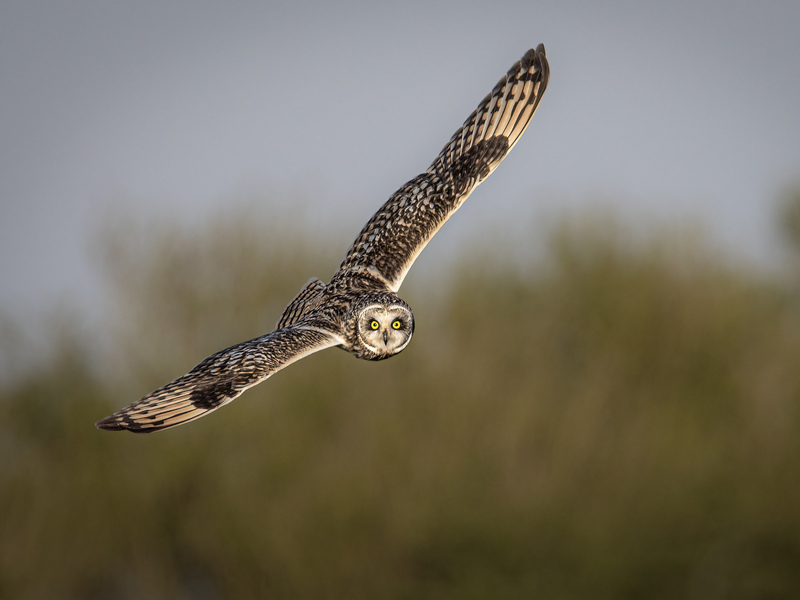
This is good owl country, which speaks of a good Vole population. We see Barn and Tawny owls, Long-eared, Short-eared in winter, who come from the mountains and marshlands of Scandinavia and Russia. They are the most marvellous characters.
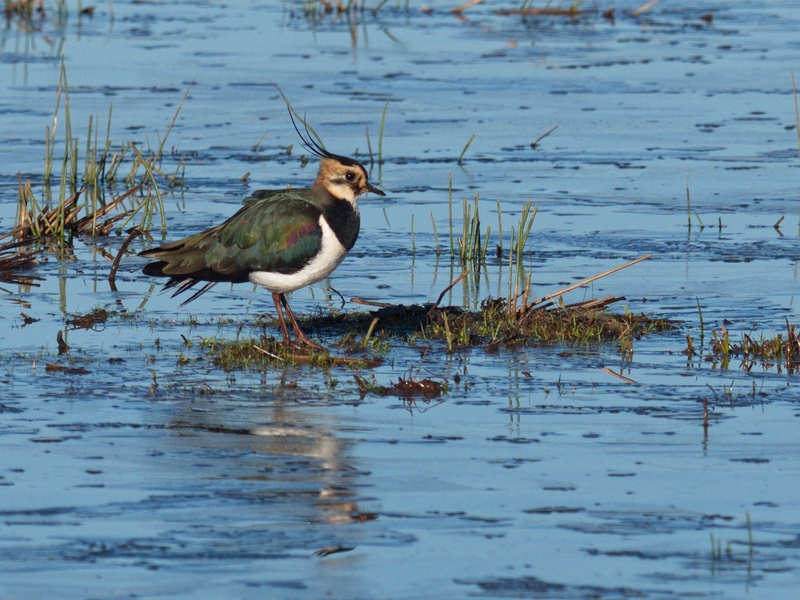
In winter, ponds erupt with flight of Teal, especially when a Peregrine is hunting them. But Lapwing is the bird most associated with our enterprise here. Small winter flocks have been a nesting success, and this is a big part of what we are trying to achieve as a cluster.
Of what are you most proud?
Succeeding as a family in holding the business together. The fact that we manage our land for nature conservation by working in partnership with others, including Defra and Natural England.
Is there something about you that people might not know?
I have a passion for water, rivers and wetlands and love canoeing, travelling regularly to bag another run....
Find out more about the farm
Comments
Great to read of farmers such as Martin making a real positive impact on wildlife, beside their core farming work.
Carried out pony grazing for his father and Countryside stewardship surveying of his farms – a wonderful gentleman!
10 Dec 2025 21:36:00
This approach is a tremendous example of how to produce good quality healthy food and care for the landscape flora and fauna. It would ensure that we pass our land onto sustainably with functioning ecosystems. Working in clusters as Martin does with other farmers is a key. This is the approach I was driving for too much of my work as Environment minister in the last government.
14 Dec 2025 08:50:00