
Meet the cast of the Wind in the Willows...
By Charlotte Owen, WildCall Officer
Meet the real-life residents of the riverbank and beyond that inspired Kenneth Grahame’s much-loved characters.
Mole (Talpa europaea)
“The Mole had been working very hard all the morning, spring-cleaning his little home.”
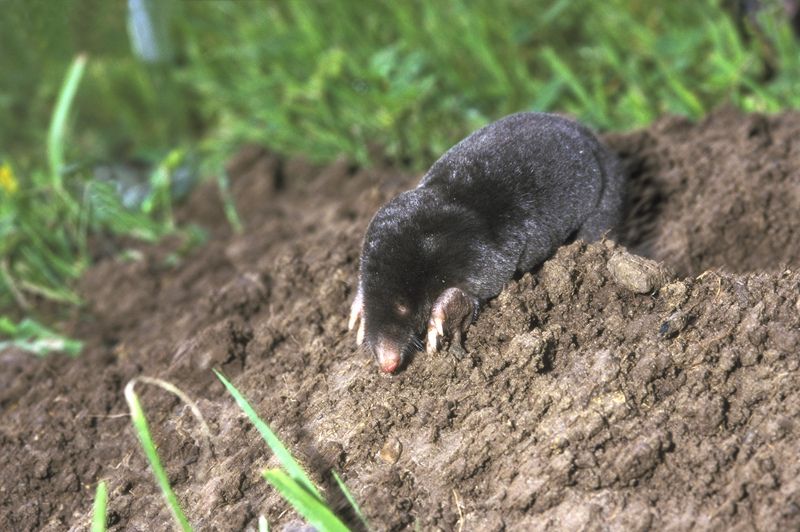
Moles spend almost their entire lives underground in a network of permanent tunnels. They are usually solitary and highly territorial. Moles are expert excavators, using their spade-like paws to dig a series of passageways and chambers. This tunnelling activity leaves a tell-tale trail of spoil heaps at the surface, known as mole hills. A Mole’s burrow is more than just a place to live; it acts as a giant pitfall trap for unsuspecting earthworms, which are quickly detected and eaten by the resident mole thanks to its super-sensitive whiskers.
Size: 11-16 cm (about the length of a short ruler)
Weight: 70-130g (a small apple)
Habitat: Meadows, farmland, woodland, gardens – almost anywhere with soil that can be dug
Lifespan: 3 years
Did you know? A Mole can dig 20 metres of tunnels in a single day.
Water Vole (Arvicola amphibious)
“Supposing we drop down the river together, and have a long day of it?”
Ratty is in fact a Water Vole, a common sight back in 1908 when the book was first published but now a riverside rarity. Numbers in Sussex are critically low but there are still two main strongholds: one on the Chichester Coastal Plain, and one on the Pett and Rye Levels. True to character, Water Voles love messing about on rivers as long as they have earthy banks to burrow into and plenty of lush bankside vegetation for food and shelter. Listen out for the distinctive ‘plop’ of a Water Vole diving in for a swim.
Size: 14-22 cm long, plus tail (could sit on an A5 piece of paper)
Weight: 150-300g (1-2 packets of biscuits)
Habitat: Rivers and wetlands with slow-flowing water
Lifespan: Often less than a year
Did you know? 227 different plant species have been identified in the Water Vole’s diet
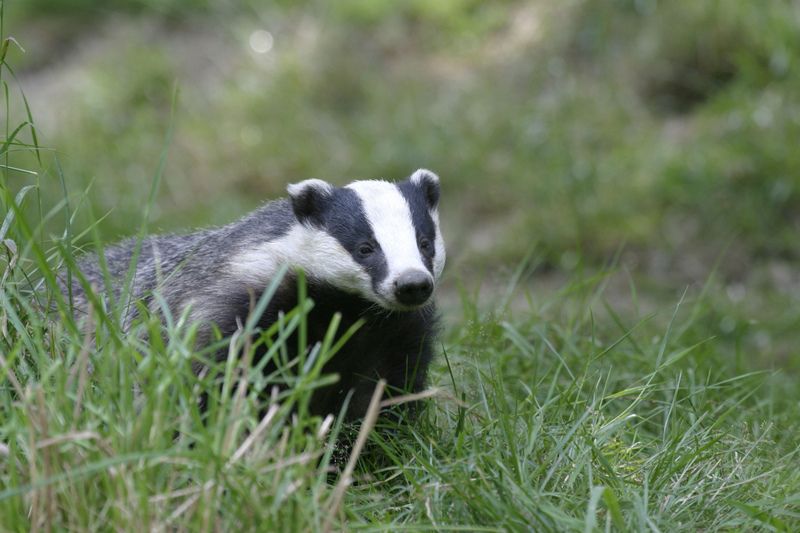
Badger (Meles meles)
“Badger…lived his own life by himself, in his hole in the middle of the Wild Wood.”
The nocturnal Badger is our biggest land predator and a relative of the Stoat, Weasel and Otter. Most Badgers are very social creatures, living underground in family groups known as clans. Their home is an elaborate system of tunnels and chambers called a sett, which may be centuries old, and Badgers are very particular about keeping their home clean. Each clan defends their own territory, marking the boundaries with a series of latrines (shallow toilet pits) to warn off intruders.
Size: 75-100 cm long (about the width of a doorway)
Weight: 7-13 kg in spring; 15-17kg in autumn, ready to hibernate (similar to a Cocker Spaniel)
Habitat: Woodland, gardens and urban greenspaces
Lifespan: Up to 14 years
Did you know? Badgers have inspired more British place names than any other animal.
Toad (Bufo bufo)
“I'm such a clever Toad.”
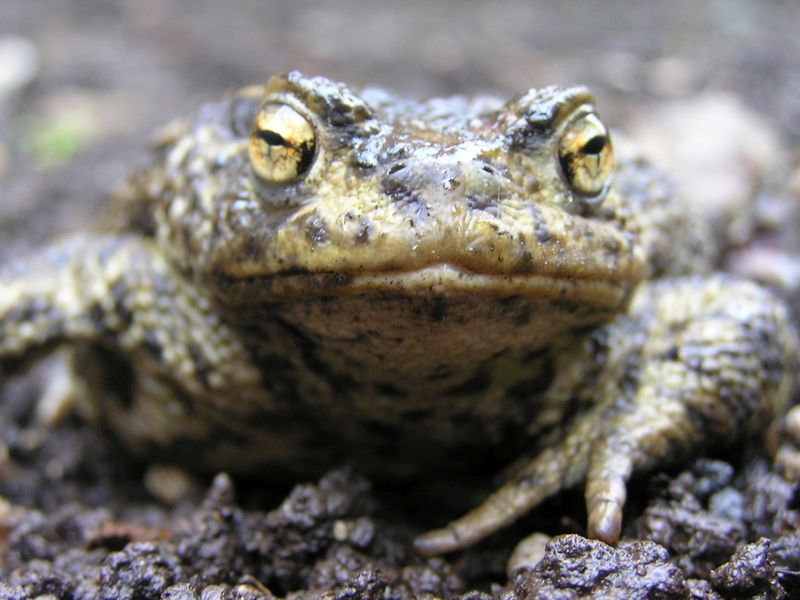
Cars and Toads really don’t mix. Traffic poses the biggest threat to migrating Toads as they return to their ancestral breeding ponds each spring, faithfully following the same routes every year. Some may only need to walk a few metres but others will embark on a long-distance hike of several kilometres – only to find their route is now criss-crossed by dangerous roads. Volunteer Toad Patrols gather at migration hotspots to help Toads get across safely and reach their destination. Toads favour deep ponds and lay their spawn in a long thread, like a string of pearls wrapped around underwater plants.
Size: Males up to 8 cm long; females up to 10 cm (would fit in the palm of an adult hand)
Weight: Up to 80g (3 AA batteries)
Habitat: Woodland, hedgerows, grassland, gardens and ponds
Lifespan: Up to 12 years
Did you know? In spring, volunteer toad patrols gather at migration hotspots to help Toads cross the road safely.
Otter (Lutra lutra)
“A broad, glistening muzzle showed itself above the edge of the bank, and the Otter hauled himself out and shook the water from his coat.”
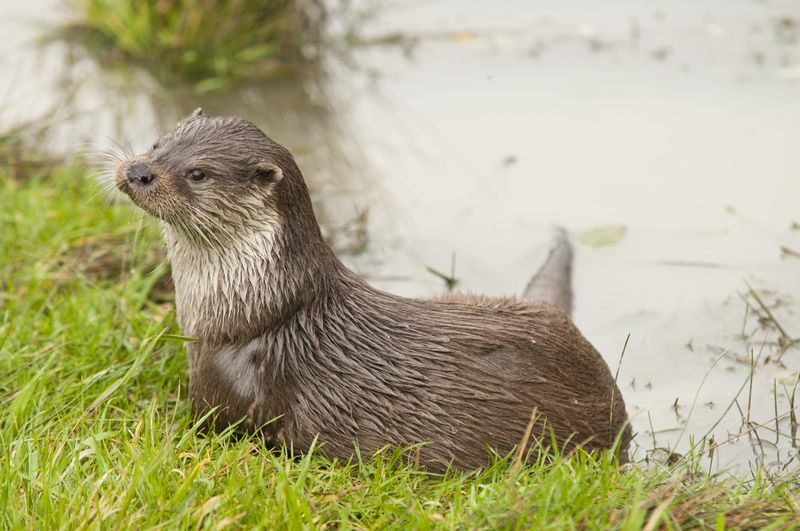
The rare and elusive Otter is making a welcome return to Sussex after an absence of nearly 50 years, reflecting a big improvement in the state of our rivers and wetlands after long-term conservation efforts. Another top predator, the Otter specialises in catching fish and is an excellent swimmer, perfectly adapted for a life in the water. They have webbed feet and can close their ears and nostrils when they dive, while their dense fur is so waterproof that their skin never actually gets wet.
Size: 60-80 cm long, plus tail (1-2 bed pillows)
Weight: 6-8 kg (2 pet cats)
Habitat: Rivers and wetlands
Lifespan: Up to 17 years
Did you know? An Otter can hold its breath for about 30 seconds when swimming underwater.
Weasel (Mustela nivalis)
“You can’t really trust them, and that’s the fact.”
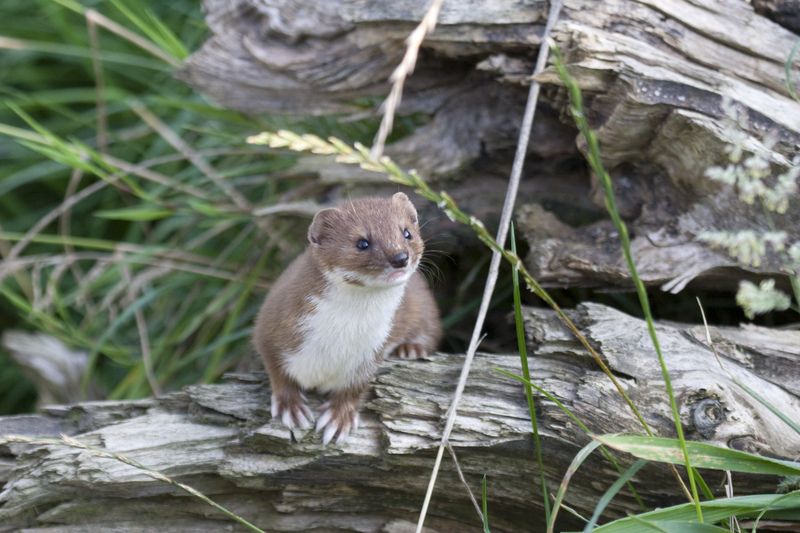
The feisty Weasel is our smallest carnivore – so small that it can supposedly slip its head through a wedding ring. Its long, slinky body is well-adapted to winding through the twists and turns of the tiniest tunnels in search of rodent prey, so there’s nowhere to hide. Running isn’t much use either; Weasels are quick and agile above or below ground, and will even tackle an animal several times their own size. They’re often seen as vicious and greedy but their high metabolism demands they eat a third of their own body weight daily.
Size: 17-21cm (the length of a dinner fork)
Weight: 60-120g (1-2 tennis balls)
Habitat: Woodland and long grass along hedgerows, rivers and ditches
Lifespan: 1-2 years
Did you know? Not long ago, a Weasel famously took flight on the back of a Green Woodpecker when its ambitious attack didn’t go quite as planned.
Hedgehog (Erinaceus europaeus)
“The sight of these greedy young hedgehogs stuffing themselves with fried ham makes me feel positively famished.”
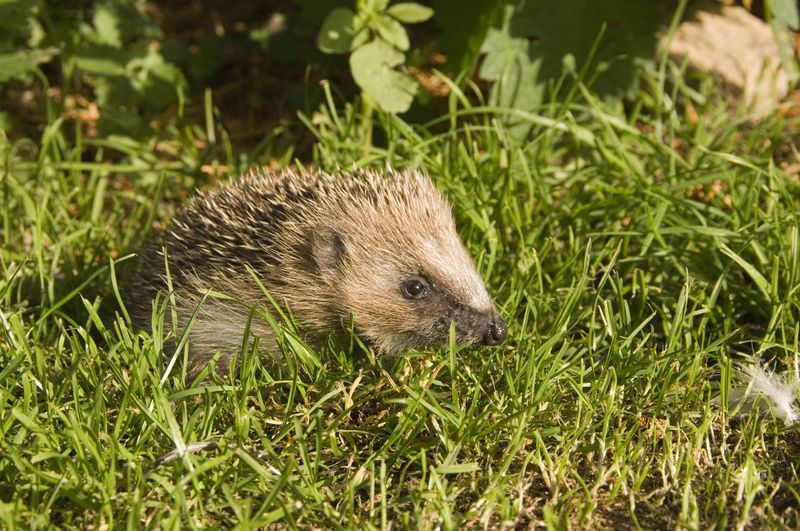
Small, round and covered in spines, the unmistakeable Hedgehog is one of our most familiar wild mammals. Once a common sight, Hedgehogs have declined drastically as changes to both urban and rural landscapes have made life much tougher for them – but wildlife-friendly gardens can be a real haven. Hedgehogs eat all kinds of creepy crawlies from earthworms to crunchy beetles, and will also hoover up fallen fruit, berries and birds’ eggs. They need to fatten up in autumn to prepare for their winter hibernation, which may last several months.
Size: 15-30cm (0.5 – 1 long ruler)
Weight: up to 2kg (up to 7 baking potatoes)
Habitat: Woodland edges, hedgerows, pastures, parks and gardens
Lifespan: 2-3 years but sometimes up to 10
Did you know? Their spines are modified hairs, and the average Hedgehog has about 7,000 of them.
Save Our Wetlands
80% of Sussex wetland habitats have been destroyed. Help us raise £50,000 to restore the homes of iconic species like Otters and Beavers.
Listen to the wind in the willows (Grey Willow or Sallow)