
Meet our staff - Head of Wilder Communities Anna Odedun
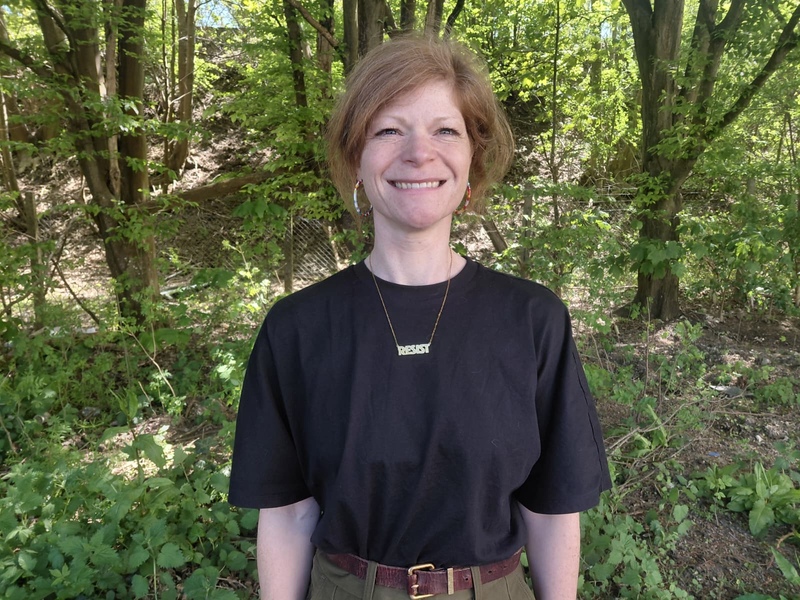
Meet Anna Odedun, Head of Wilder Communities (maternity cover)
Tell us a bit about yourself
I have long believed that healthy ecosystems and thriving communities are inseparable. My work has always been shaped by a commitment to collaborative ways of working. I’ve joined Sussex Wildlife Trust from Future of London, a not‑for‑profit organisation tackling urban challenges and helping make cities more sustainable and equitable. Alongside this, I serve as Trustee for Strategy at Flourish Mentors, a Sussex‑based charity supporting young women aged 16–25, a role that keeps me firmly connected to my local community here in Sussex.
And your role at Sussex Wildlife Trust
I’m joining a team with long‑standing community relationships, and projects that are already creating real change for wildlife and people across Sussex. Over the coming year, my role will be to support and champion the team as they continue to deliver Sussex Wildlife Trust’s vision of a Sussex rich in wildlife, valued and protected by everyone.
The word ‘everyone’ in this vision is critically important to me – because my research with Dr Bridget Snaith (Weeds, Wildflowers and White Privilege) has shown that too many people don’t feel like wild spaces are for them.
Priorities and key issues
Inclusion isn’t an add‑on - it is the work. My research and practice have shown me that access to nature is not equally distributed. Structural barriers, whether economic, cultural, geographic or social, mean that the communities who could benefit most from connecting with wildlife are often the least able to do so. Building truly inclusive programmes means understanding those barriers honestly, and designing around them rather than despite them.
Community engagement must be done with people, not to them. Meaningful engagement means working alongside communities, not acting on their behalf. Lasting change happens when people feel that nature is theirs to stand up for, not something designed elsewhere and handed down. I’m also very conscious that the kind of systemic change nature recovery requires can’t happen in isolation. It depends on collaboration across sectors - with local authorities, private sector partners, academic institutions and community organisations. I’m keen to work with all these as equal partners in the shared ambition for a Wilder Sussex.
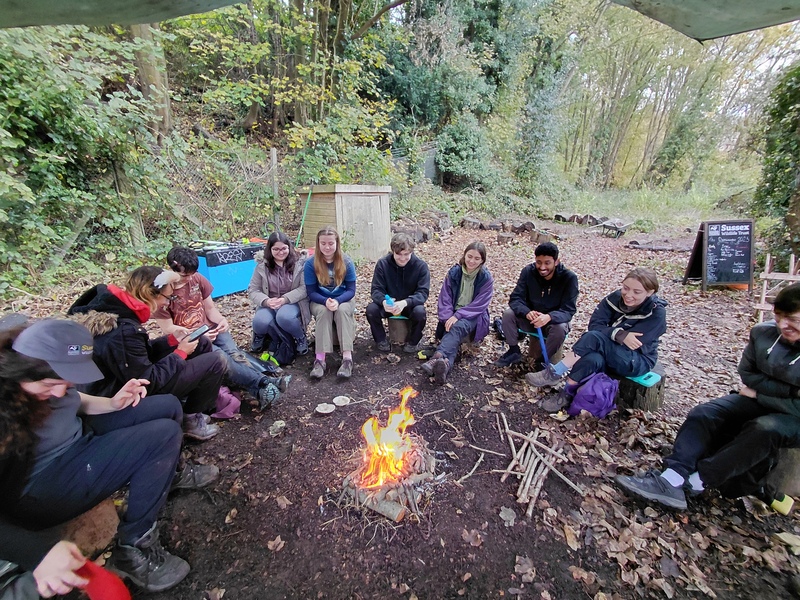
Young people must be central rather than peripheral. Across my career, I’ve seen the transformative power of giving young people meaningful roles in shaping their environments. Sussex Wildlife Trust’s youth action work is something to be proud of, and I’m delighted to be working within an organisation that shares my belief in young people.
Something most people don’t know about me
I used to keep rats. They are highly intelligent, social animals, and ones I’d recommend. Following a rather more successful breeding season than anticipated, I once found myself responsible for 26 of them. From my first impressions, the Wilder Communities team are just as intelligent and sociable as the baby rats, though thankfully far easier to manage.