
Meet Charles Ashe - Volunteer Reserve Manager
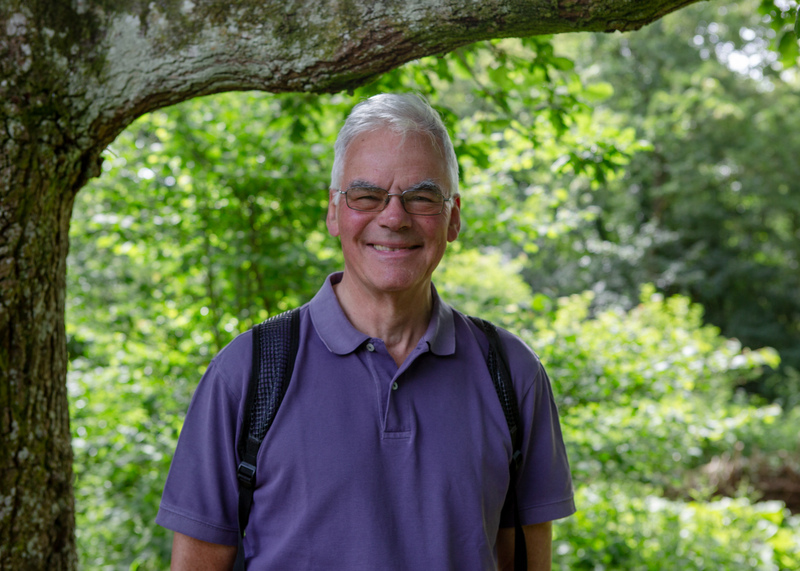
Charles Ashe has been volunteering for Sussex Wildlife Trust since 2015 and Volunteer Reserve Manager for West Dean Woods nature reserve since 2022. We caught up with him to find out a bit more about him, the reserve and the role.
Tell us a bit about West Dean Woods
West Dean Woods is a remnant of the woodland that once covered areas of the South Downs. As a working wood it is important in maintaining traditional coppice skills and markets, and is a practical example of what can be achieved in a once neglected coppice site.
Sussex Wildlife Trust got involved in the site in 1975; at that time the coppice had not been cut for about 40 years.
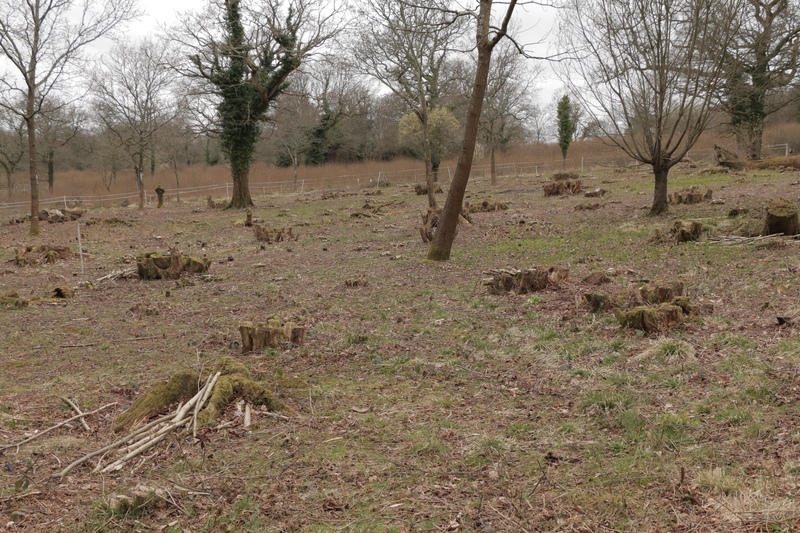
West Dean reserve can roughly be divided in two - to the north is mature woodland which is not worked. To the south is the actively coppiced area of about 20 acres, roughly divided into areas (cants, or coups) of about an acre each.
The reserve at West Dean Woods is a great example of how woodlands were managed in the past. The Hazel, sitting amongst the Oak standards, has been coppiced here for hundreds of years and is referred to as coppice or copse in 17th century maps. Coppicing means that small areas of the Hazel are cut to the ground and allowed to re-grow; here we coppice Hazel on a seven year cycle to ensure the perfect size for us to cut and use for fencing products.
Tell us a bit about yourself
I have lived in Emsworth for over 30 years, and retired in 2012. Since then, I first got involved in coppicing Sweet Chestnut locally for a few years.
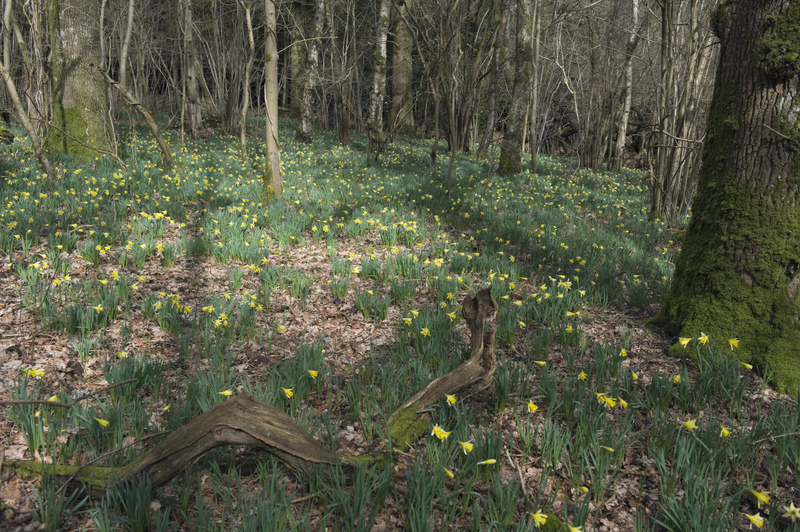
Then, I became aware of West Dean Woods when coming to see the native Wild Daffodils, and read about the coppicing work there on an Sussex Wildlife Trust notice.
What do you enjoy about it?
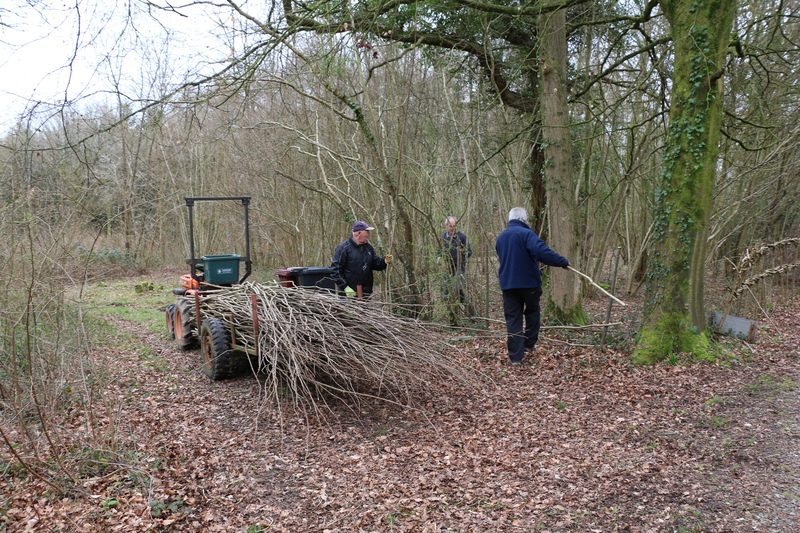
What appeals to me is working with similar-minded volunteers, towards the same goal of working that particular part of the coppice, producing Hazel products that are used in traditional ways and crafts.
The support of Sussex Wildlife Trust and the West Dean Estate in this is invaluable.
How does the coppicing work?
The coppice is worked on a seven to eight year cycle, with two cants cut each year. The cants are worked in rotation to ensure there is product each year. Every year the volunteers work two cants in the autumn and winter (October to end of February), to minimise disturbance to wildlife.
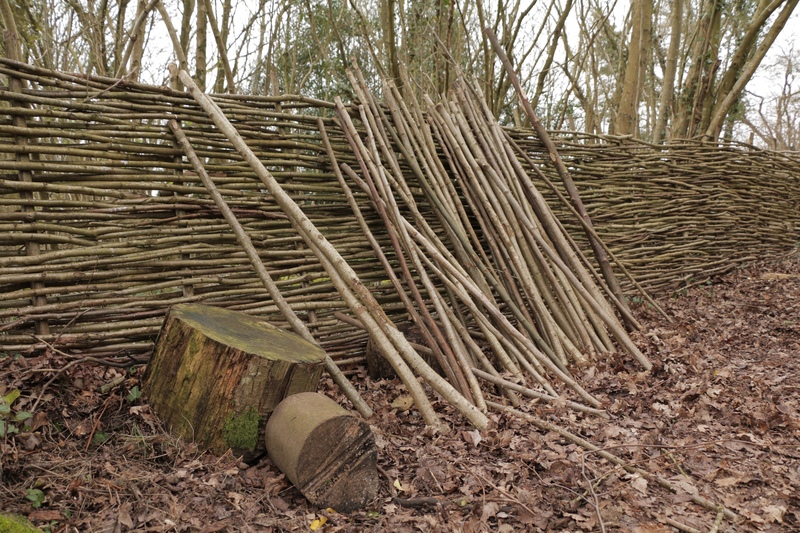
The actual cutting is done by chainsaw, and the suitable product trimmed by billhook. The product is sorted into categories : binders (for hedge binding), 'heavies' (thicker than binders, suitable for fence weaving), 'lights' (thinner binders), stakes and revetments.
Who do you work with?
We work alongside other volunteers who concentrate on particular parts of wildlife: Dormouse surveys, who we see frequently; botanists, who start their surveys when we have finished working an area (cant, or coup); bird surveys, who do their work when we are not there (but we see their reports); and a butterfly surveyor - who again we rarely see.
Amongst the volunteers are those who keep their eyes open for orchids, adders tongue, butterflies and birds.
When working a cant, if we find a Badger set, we will determine (often with help from Sussex Wildlife Trust) if it is active or not. If it is we leave a five metre free zone around it.
A continual presence - and nuisance - are deer, which will eat young shoots of Hazel, and strip the bark of growing Hazel, which can kill a young tree.
West Dean Woods a working woodland on a private estate, and access is restricted to those working the coppice or carrying out scientific research.