
Meet champion of the South Downs, Phil Belden
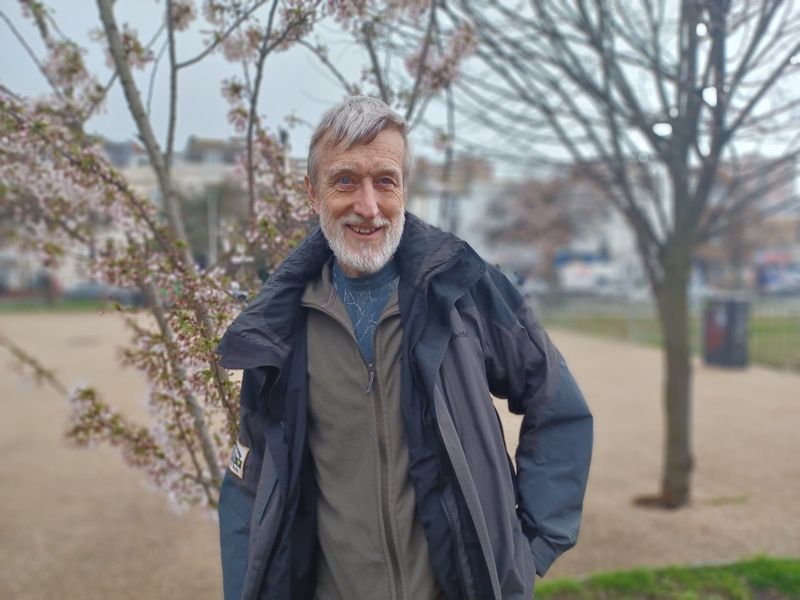
Phil Belden has been a champion of the South Downs for most of his life and it is something he is still fighting for. The South Downs achieving National Park status would never have happened were it not for the years of hard work and dedication by both Phil and Paul Millmore. Sadly, Paul died in 2012, three years after the South Downs National Park came into being, but Phil (a Trustee of Sussex Wildlife Trust for a remarkable 27 years) is still campaigning to protect both the South Downs as well as the coast of Sussex.
We caught up with him in his home town of Brighton to find out a bit more about him.
Give us a potted history of your life to date.
I grew up in Dorset, just outside Weymouth. Then London for my degree and a City job, but quickly saw the light. In actual fact, it was walking past a pub and seeing an old friend that led me to a wholly different career path. There were hardly any jobs in conservation back then and such a vocation had never occurred to me. This, despite the massive profound awakening in my early teens, the Torrey Canyon oil spill in 1967 off the south-west coast of England, and the utter destruction that resulted. It made me acutely aware of the conflict between commercial drive and environmental protection.
In the pub that fateful night, I was introduced to a guy who worked on the Dorset Heritage Coast job creation scheme. Through that connection, I was offered a job, met a great mentor on the team, and never looked back. I enrolled on many evening classes - biology, ecology etc - cramming as much knowledge as I could and soon became team leader.
I went on to be a Ranger on the coastal Sandlings of Suffolk, which brought out my talent for enthusing volunteers and engaging schools in the environment. From there to East Sussex and the South Downs Conservation Project with Paul Millmore. Paul was a tenacious and ambitious doer. We often worked 60-hour weeks, countryside management workaholics! We extended our Heritage Coast work westwards to the Brighton Downs. Then I moved to West Sussex, to cover the rest of the Sussex Downs Area of Outstanding Natural Beauty (AONB). Paul’s and my hidden agenda, to get the whole of the South Downs protected, began subtly, by developing the South Downs Volunteer Ranger Service, spreading east to west.
The idea of the South Downs National Park originated in the 1920s, when public concern was mounting about the threats to the environment particularly by development (eg the creation of Peacehaven).
Back in the 1980s, Paul and I were on a mission, although we weren't being listened to, despite the evidence, it felt we were banging our heads against a brick wall, but the increasing awareness of downland issues ignited people passion and others, slowly, started to take notice.
We wanted permanence and a stronger level of clout - and a funding mechanism, which National Parks have; there is no legal basis for funding AONBs.
Finally, in1990, we managed to get an embryonic South Downs Campaign group going, press-ganging Robin Crane to chair, with a few key influential bodies, such as the Sussex Wildlife Trust and the Ramblers Association. This slowly grew, and we succeeded with lots of press interest, but some councils strongly resisted. They were difficult early years, gathering evidence and campaigning. The group gradually grew into an influential body.
The turning point was probably 1997, just before the general election, when a farmer ploughed up a supposed protected chalk grassland site and a massive campaign ensued, by activists from Lewes and regionally. The incoming Labour government made the promise, though it took a decade, in 2009 the South Downs was finally confirmed a National Park. It was the last of the twelve recommended landscapes to receive this status (from the 1949 National Parks Act). The SDNPA has the powers, permanence and long-term funding to tackle the key issues of agriculture, development and recreation. It's not perfect, but it's so much better than it was.
Why are the Downs so important?
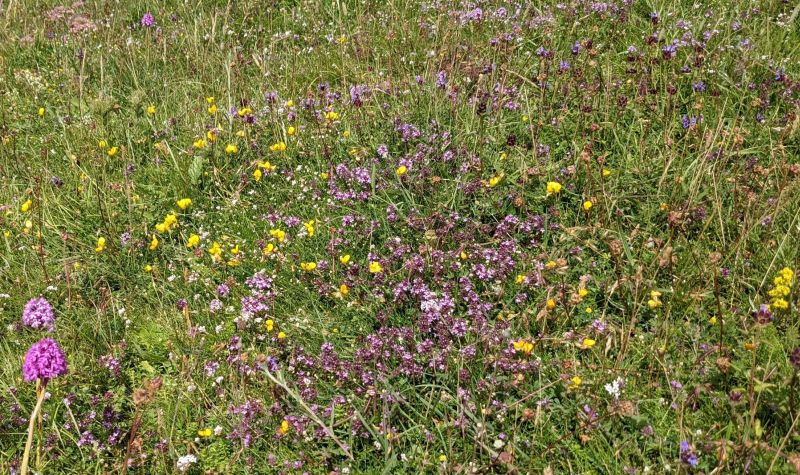
Chalk grassland is probably the most internationally diverse habitat in North West Europe. You can find up to 50 species in a quality patch of old downland.
Why does public ownership matter?
It's democratic and more accountable. It gives the public the opportunity to influence positive change. Local authority elections are in May, so we're going to write to every candidate and ask for their pledge for our public Downs. The downside of public ownership is that it's subject to the vagaries of the politics of the time, so use your vote.
What's your connection to Sussex Wildlife Trust?
I’ve been a volunteer, I was a trustee from 1988 to 2015. I then went to help with some policy, land management and campaign advice with the Conservation Team.
Where do you get your energy from?
I'm a natural enthusiast and am motivated by others with a can-do attitude. I want to empower people. I never trust it when things are going well because we can all get complacent.
What's your favourite spot in Sussex?
The seascape of our natural coastline. It's so rare here. In the South West, nearly 50% is defined undeveloped Heritage Coast; in the overheated South East, it’s 7%!
What are you currently working on?
The Brighton Downs Alliance – over 30 organisations committed to protecting the Brighton Downs. Activists in the area are so brilliant and we've done our best to fight off attempts to sell-off downland, from Worthing to Eastbourne.