
Local site shortlisted as proposed Highly Protected Marine Area
Sussex Wildlife Trust is delighted to hear suggested sites are progressing to the next stage of the HPMA designation process
The first step has been taken towards the designation of England’s first Highly Protected Marine Areas (HPMAs) – as Defra announces a consultation on five proposed HPMAs, one of which is situated offshore from Sussex. These will be the strongest ever protection measures for our seas.
The Wildlife Trusts have been calling for HPMAs for three years with the support of over 10,000 people who have called for greater protection of marine life. This new designation will ban all damaging activities within their boundaries. By safeguarding all wildlife and habitats, HPMAs will give nature the best chance to recover, benefitting not only each place but large parts of the sea around them.
Along with Wildlife Trusts from around England, Sussex Wildlife Trust submitted recommended sites to Defra which we believe have the most to gain from HPMA designation and will act as star examples of the benefits HPMA designation can bring. We’re delighted to hear that Dolphin Head, which overlaps with the Offshore Brighton Marine Conservation Zone, has been chosen to progress to the next stage of the process, going forward for public consultation as part of five sites shortlisted from around England.
Sussex Wildlife Trusts’ Living Seas Officer, Sarah Ward says:
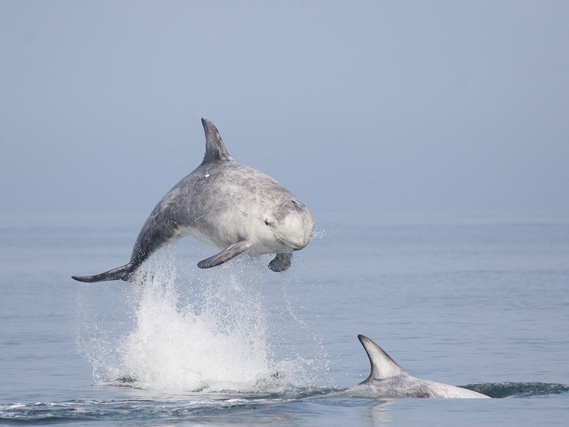
“We are delighted that Dolphin Head has been selected to be part of the HPMA consultation. This site is a known area of biodiversity within the English Channel owing to the variety of habitat found there. These include rocky reef, areas of mixed sediments, and Ross Worm reefs, which create complex habitat on which many other species make a home. The area is used by numerous seabirds and marine mammals, including Risso’s Dolphins and Harbour Porpoises.
“Dolphin Head is currently in a degraded state due to impacts of human activity, notably bottom-towed fishing gears; being designated as a pilot HPMA would allow the vital habitats and associated species to recover. We hope that Dolphin Head and the other four sites put forward for this consultation will be the first of many HPMAs in English waters.”
Dr Lissa Batey, Head of Marine Conservation at The Wildlife Trusts, says:
“The Wildlife Trusts put forward a list of special places at sea that we believe have the most to gain from becoming HPMAs – we want these to act as star examples of the benefits that banning damaging activities can bring. We’re thrilled that places like Allonby Bay and Inner Silver Pit have been selected for socio-economic review, as part of five shortlisted sites.
“It’s vital that large ocean wildlife hotspots should have a chance to thrive once more. The knock-on benefits for reviving the surrounding seabed and the species that depend on it are immense. These areas will offer a lifeline to fish, seabirds, dolphins and sharks – the future health of our seas will come to depend on these amazing places.”
Following the announcement, there will be a 12 week consultation on the proposed locations, here.
The designation of HPMAs will act as a mechanism for marine recovery and should contribute to the Government’s commitment to protect 30% of our seas by 2030. HPMAs will also act as a natural solution to help store carbon and tackle climate change, as well as generating benefits through tourism, recreation and marine education.
Comments
Sussex Underwater have had divers in the water nearly every day filming the recovery of the Sussex Bay following the inshore trawler ban. What we are seeing is quite remarkable. Huge mussel beds are now binding the bottom back together these are feeding large plaice and other fish. Also the Black bream beds can be found all over the area and these in turn are feeding the Dolphins that have returned to the Sussex waters in numbers not seen for years. So only good can come from banning these damaging fishing practices.
14 Jul 2022 13:48:00
Sussex Underwater have had divers in the water nearly every day filming the recovery of the Sussex Bay following the inshore trawler ban. What we are seeing is quite remarkable. Huge mussel beds are now binding the bottom back together these are feeding large plaice and other fish. Also the Black bream beds can be found all over the area and these in turn are feeding the Dolphins that have returned to the Sussex waters in numbers not seen for years. So only good can come from banning these damaging fishing practices.
16 Jul 2022 10:31:00
Sussex Wildlife Trust:
This is brilliant news, thank you for all your hard work sharing what is happening under the sea
Delighted to hear this news. Onward and upward!
22 Jul 2022 14:03:00
As a x local trawler skipper of 20+ Years I am sure areas of lost kelp and marine life are more down to inshore water pollution. I have seen a massive change in the low tide areas over the years with a big increase of muddy sediment and areas that used to be covered with kelp between Saltdean and the Marina are no longer there. This inshore ground never been trawled. Why did southern water put the outfall pipe (at huge cost)from the treatment works in peacehaven so far out to sea if the discharge was so non polluting I wonder how often water quality is tested near the outfall’s and if it’s done by Independant inspectors.
Is the Beecham outfall in Lancing and Shoreham long sewage outfall ever checked for environmentally damaging discharge ?? These two
outfall pipes discharge into areas that used to be the thickest kelp beds locally.
25 Sep 2022 21:54:00