
Kingston Hill Fields
Alex Worsley
Senior Ecologist
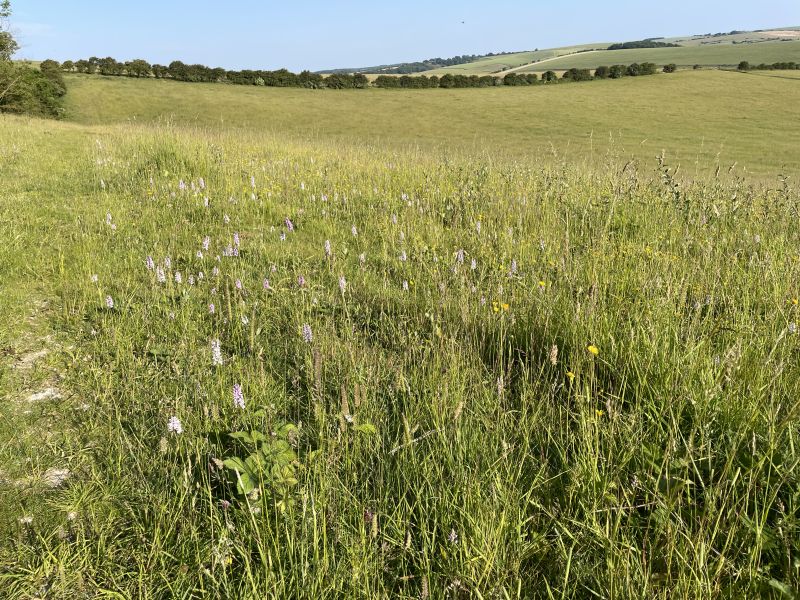
In 2005 Kingston Hill Fields, a 20-hectare arable field bordering the Kingston Escarpment SSSI, was put up for sale. A group of residents within the village of Kingston near Lewes raised money to purchase the land for the benefit of the community. Ideas such as the creation of a fishing lake and vineyard were floated, but due to the location conservation became the obvious choice. After some consideration, it was decided the former arable land might be reverted back to species-rich grassland to help continue the ecological value and continuity from the Kingston Escarpment.
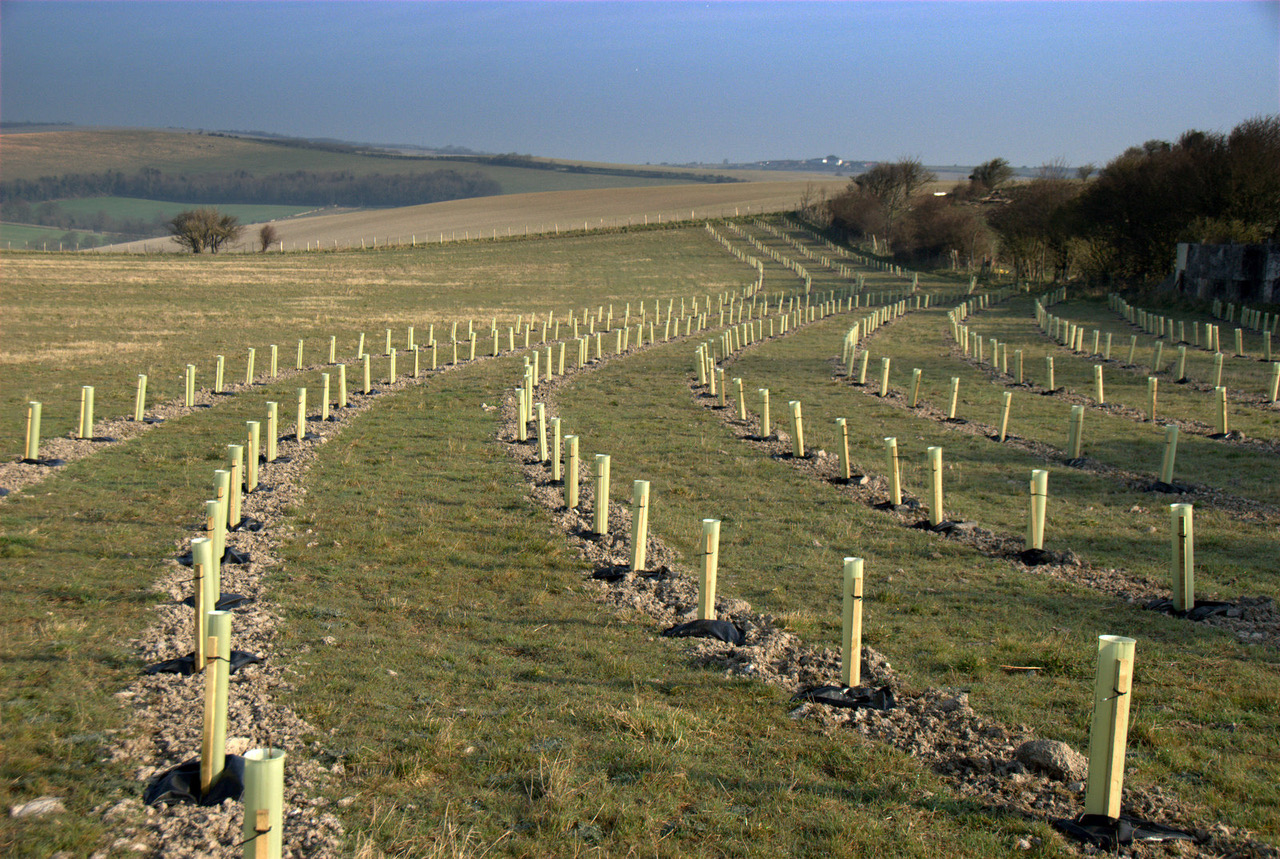
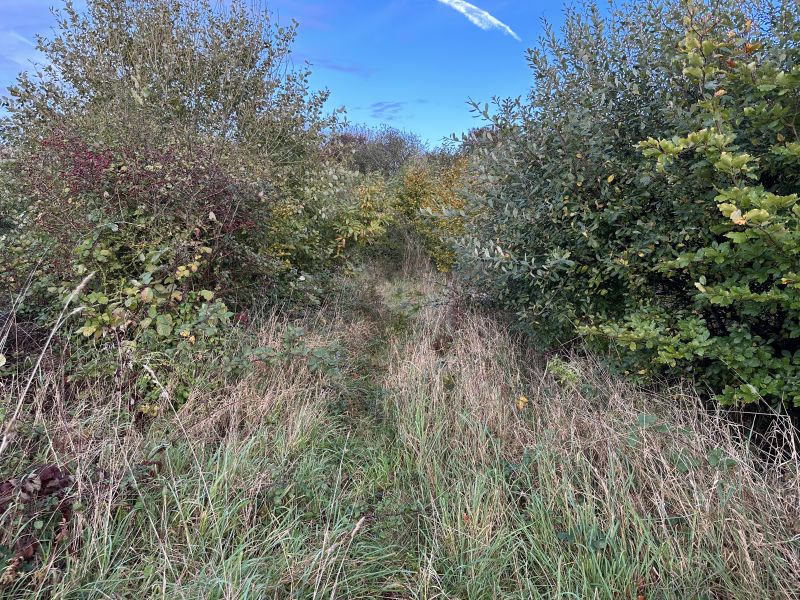
Initial soil testing revealed that nitrate and phosphate levels in the field were very high, to be expected from productive agricultural land but not ideal for restoration purposes as semi-natural grassland species prefer a lower level of soil fertility. Also, due to a long history of crop harvesting, it was unlikely that much in the way of semi-natural grassland species would be present in the remnant seedbank. As such the first few years after taking on the field required great belief from the new land managers, as to the eyes of many it would have looked a bit of a wasteland and no doubt drew some critical comments. The soil had been severely depleted of organic matter so during the first summer the site looked very bare and, as plants on site developed, nutrient loving species such as docks and thistles proliferated. These species were especially troublesome as herbicides were no longer being used and there was, initially, very little established sward to help suppress such highly competitive species. Eventually though, the persistence paid off and grasses and wildflowers more redolent of neutral and calcareous grassland habitats began to emerge as nutrients leached from the soil, or were taken off with the vegetation removed by annual hay cuts.
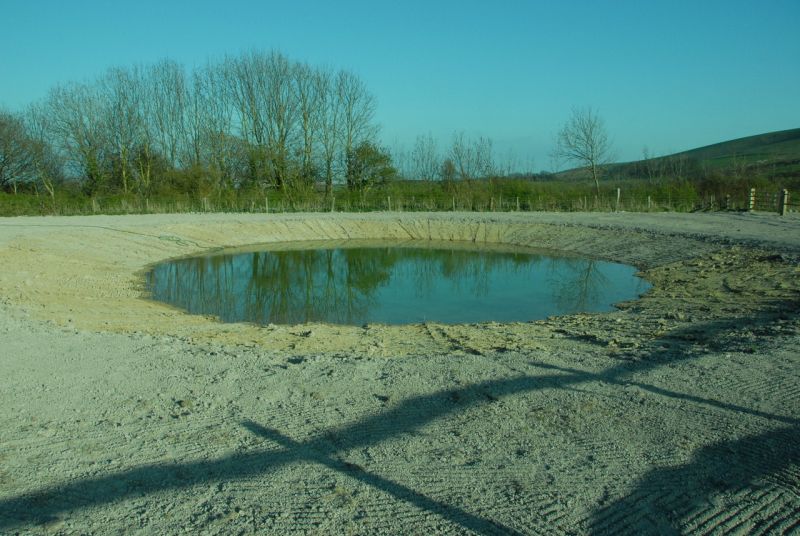
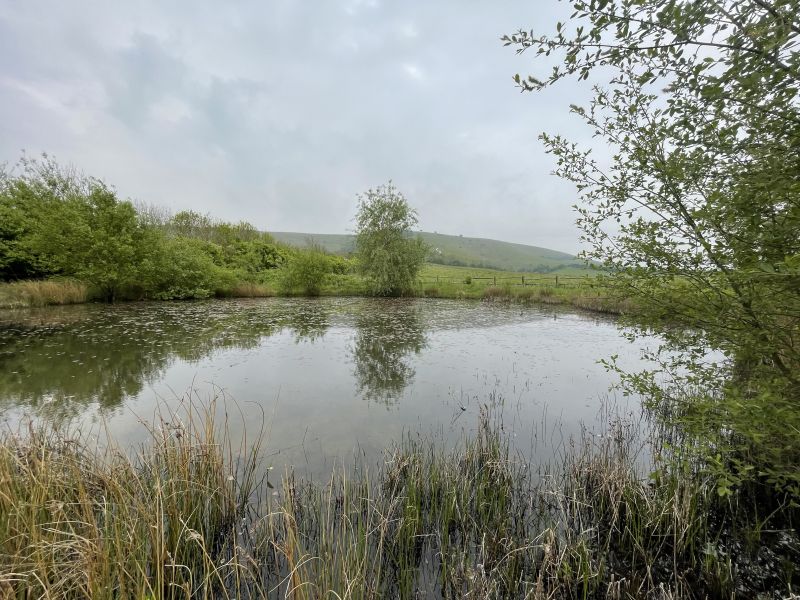
Now the nutrient levels have been lowered, the site is now managed primarily through grazing with Sussex cattle coming on in late summer followed up by winter grazing with sheep. A dew pond was dug in 2010, supported by the SDNPA, and this has already established well with marginal flora and aquatic invertebrates. In the summer of 2023 a local botanist recorded 134 species of vascular plants on site. Skylark and Corn Bunting are also known to frequent the field.
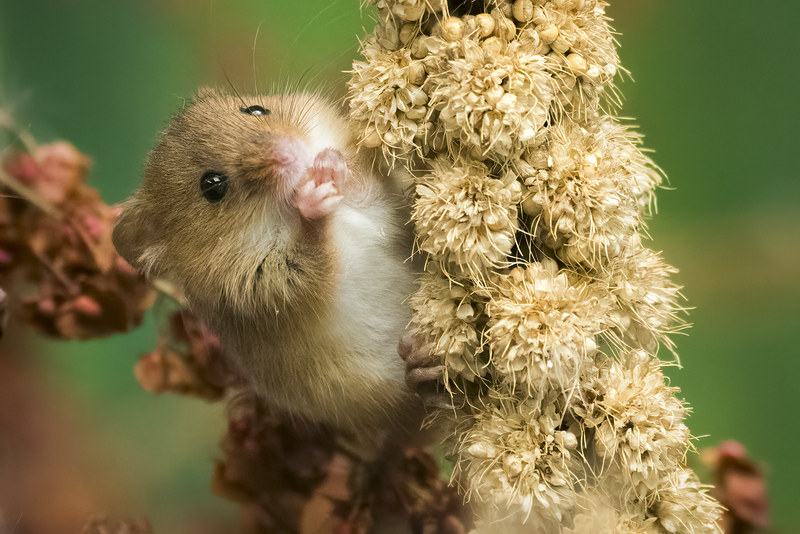
Today, Kingston Hill Fields is a vibrant and nature rich site with a profusion of grassland plants and a rich invertebrate life, including good populations of species such as Harvest Mice and the Hornet Robberfly, (arguably) Britain’s largest fly with a dramatic appearance. It also stands as an amazing testament to community action for wildlife and how this can help restore nature on a local scale. The site has now been recognised as meeting the criteria for the Priority Habitat ‘lowland calcareous grassland’ and is in the process of being put into a Countryside Stewardship agreement to help manage it for this important grassland habitat going into the future.
Find out more about the project here