
June 2020 - Rye Harbour Wildlife
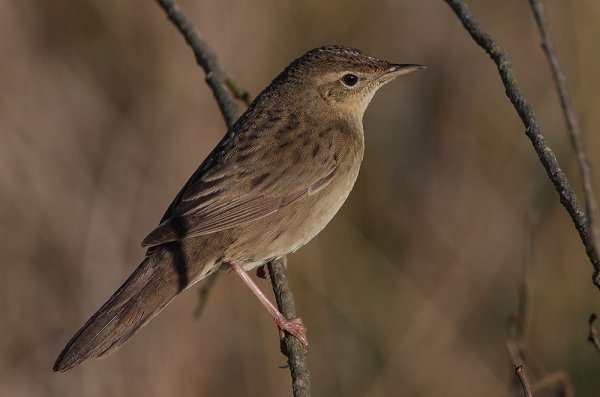
Bird highlight during June was probably a Grasshopper Warbler which was present on Harbour Farm towards the end of the month. This species is so named due to its unusual song which sounds like the churring of a grasshopper (or alternatively a free-wheeling bicycle or fishing reel – an alternative English name for this species is ‘reeler’). Grasshopper Warbler is a summer visitor to our shores, spending the winter in Africa. At Rye Harbour it occurs sporadically, usually just single birds, though very occasionally with two during the summer months. This species has declined significantly in the UK in the last 25 years, probably due to loss of suitable breeding habitat, and is now on the Red List of birds of Conservation Concern.

Things were quiet on the migrant wader front this month, though small numbers of Dunlin and particularly Green Sandpiper and Common Sandpiper probably represented returning breeders from the north, while a Whimbrel was present on Harbour Farm on the 11th. Wader highlight during June was a Black-winged Stilt which was present at Castle Water to the 11th. This month saw the first records of Avocet chick for the year, with several broods present on Harbour Farm on the 14th, though in line with the generally poor breeding success for many species this year none of them appeared to survive long. We did have a report however of an almost fledged Ringed Plover chick early in the month, one of only two records of young of this species this year. Let’s hope this one survived to fledging! Also this month, we had our first records of fledged Black-headed Gull, but very few. While for most seabirds the season is effectively finished, our Common Tern are still battling on, though much depleted, with perhaps 20 or so nests remaining on Ternery Pool. Waterfowl highlights were Garganey at Castle Water on the 6th and several sightings of Great White Egret here, with two on the 14th. Raptors included regular Marsh Harrier and Buzzard (the latter attempting breeding at Castle Water – our 100th breeding species!), Peregrine and occasional Hobby, while a Barn Owl was regular at Castle Water. Passerines during June included two Spotted Flycatcher at Castle Water on the 20th, good numbers of Swift (above), particularly early in the month and a Jay from the Viewpoint on 7th. In addition, further fledged Wheatear were discovered on Harbour Farm, making at least four pairs successfully fledging young this year, while calling Bearded Tit were present on at least four sites at Castle Water.

Highlight in the moth trap this month were several Sussex Emerald, with three on the 25th, while other notables included Five-spotted Ermel, Starry Pearl, Rosy-streaked Knothorn and Oblique-striped. Butterflies continued to be few and far between during June, despite the generally favourable weather, though we did have our first Marbled White at Castle Water from 17th and a Comma on the Beach Reserve on the 28th. This month saw the addition of yet another rare bee to the reserve list with the discovery of Spotted Dark Bee at Castle Water on the 2nd, while we also had the first records for the uncommon Black-headed Mason Wasp, the caterpillars of the Dingy Flat-body moth (above) and the Fan-bearing Wood-borer Beetle! Other rare invertebrates found during June included the spiders Pellenes tripunctatus, Phlegra fasciata and Lathys stigmatisata on the Beach Reserve on the 28th, while at least five Bee-wolf were present at Castle Water on the 21st. Plants in flower during June included Sea Heath, Sea Barley (below), Perforate St John’s Wort, White Horehound, Grass Vetchling, Viper’s Bugloss, and Bee Orchid.
