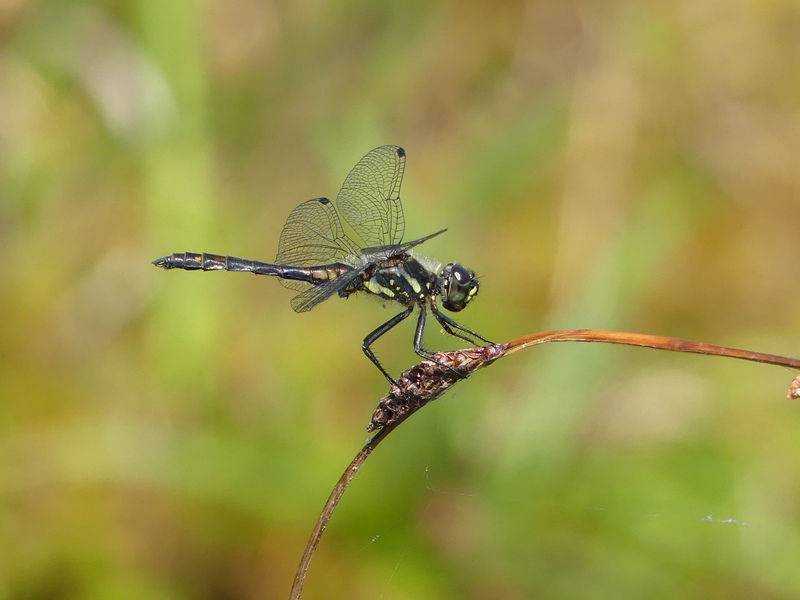
Is climate change impacting the dragonflies and damselflies of Sussex?

Simon Linington, Trustee and County Dragonfly Recorder
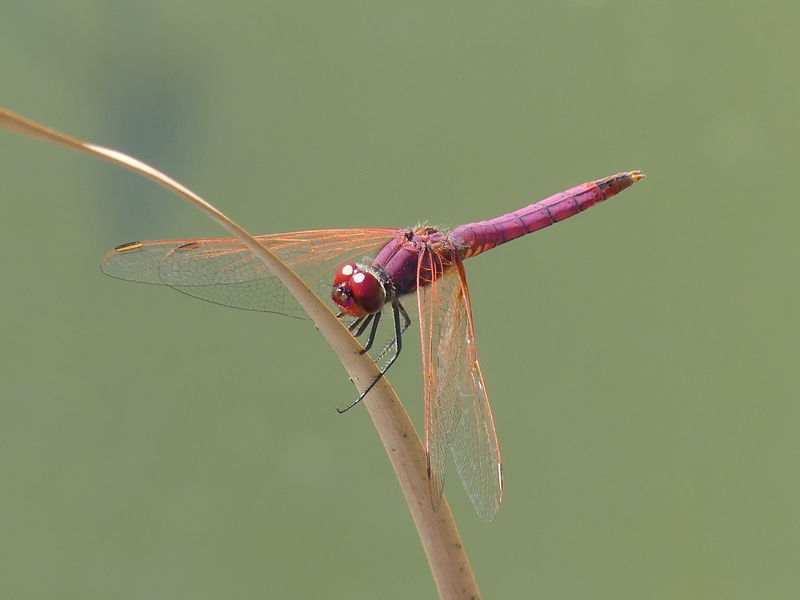
Coming to a pond near you in the next decade? The male Violet Dropwing is a truly spectacular dragonfly though I guess that some might consider it a bit garish. Currently making its way northwards from Africa, over the past few decades, it has established itself across much of southern Europe and is now tipped to be one of the dragonfly species most likely to arrive on these shores with Sussex well placed for its first landfall in Britain. Climate change may well be the driver behind the range expansion of this and a number of other species.
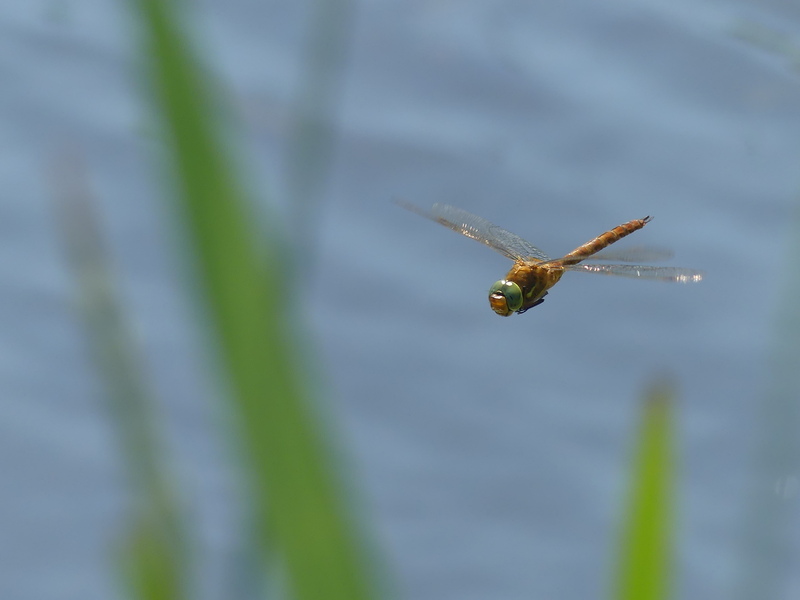
Only a few years back, the thought of Norfolk Hawker in Sussex would have seemed remarkable but this year, as Dragonfly Recorder for the county, I’ve received widespread reports of this species.
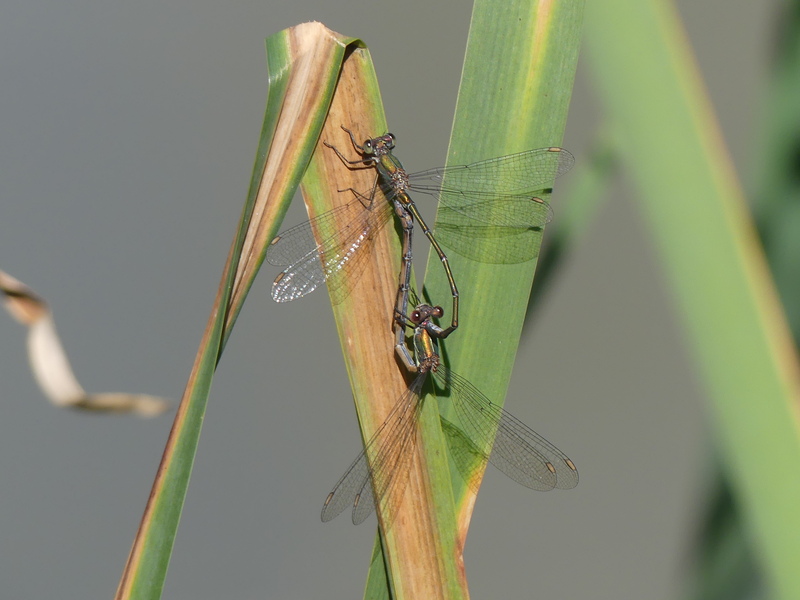
Perhaps even more surprising has been the spread of Willow Emerald Damselfly. In 2016, it was known from just one Ordnance Survey 1-km square in Sussex (at Woods Mill no less). Since then there has been a meteoric rise in range with 2022 seeing them in 132 such squares and there has been yet further expansion this year. Most damselfly and dragonfly species are either holding their own or showing improvements in status which is one glimmer of good news set against the problems created by climate change.
However, two species are causing concern within Sussex. The Emerald Damselfly seems to be suffering a range contraction for unknown reasons and the Black Darter risks becoming extinct in the county. The latter is a heathland species and it is possible that very hot, dry summers causing pools to dry out such as at Old Lodge, where it used to be seen regularly, is to blame.