
Interview with Nick Sturt, Chair of the Sussex Botanical Recording Society
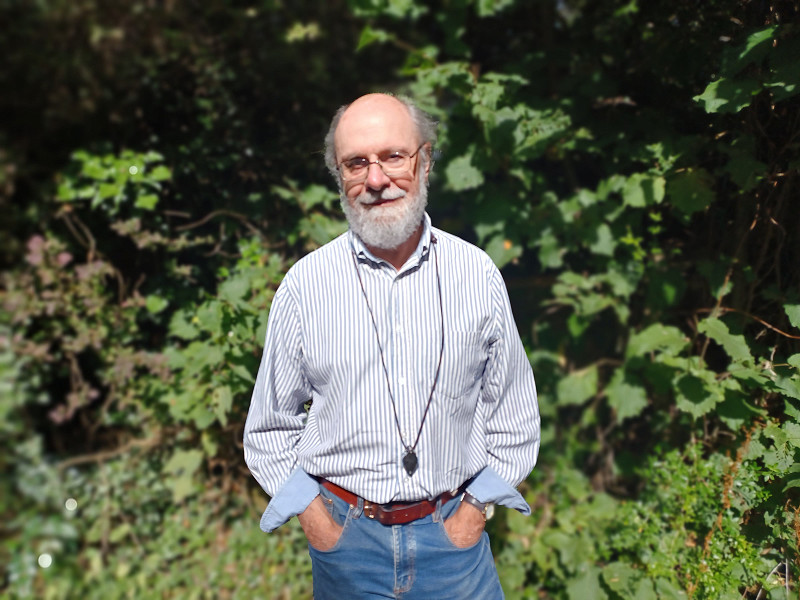
Tell us a bit about yourself
I've spent most of life in Sussex. I grew up in Burgess Hill. I had a love of the natural world instilled in me by my mother, especially plants and birds, and this never left me. It increased at university where I'd go out with the Botany Department. I met my wife Elisabeth in 1980 in the staff room at my first teaching job. She shares my love of plants and runs the West Dean Woods Botany Group, which monitors vegetation cycles on the coppice plots of this Sussex Wildlife Trust reserve.
Tell us about the Sussex Botanical Recording Society
It formed in the 1970s to create the 1980 Sussex Plant Atlas. I joined about then when I moved to back to Sussex after university. The SBRS was run by Mary Briggs and Rod Stern who mobilised the membership to collect data about plants across the county.
In 2000 we felt it was time to create an up-to-date account of the county’s flora – the last had been published in 1937. So a working party co-ordinated the production of a new Flora of Sussex launched at Adastra 2018. We were helped hugely with this project by the team at the Sussex Biodiversity Record Centre.
We sadly lost Mary in 2012, but approached David Streeter to take over as President. He is much more than a figurehead - a pleasure to work with and keen to nurture new generations of field botanists. [Find out about the David Streeter Award here].
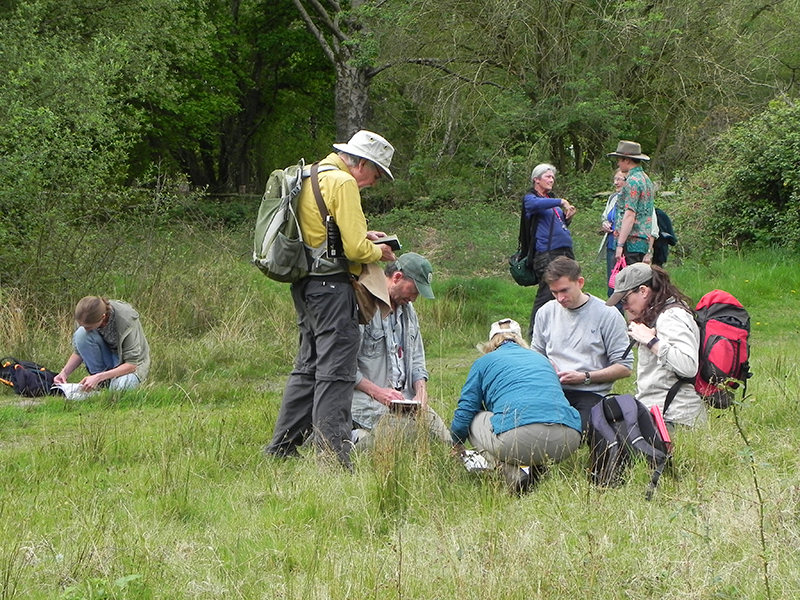
We're always interested in gaining new members. We've been enjoying a crop of young professional ecologists who want to brush up on their knowledge of plants. They come to our field meetings and learn from us, and they also share their specialist knowledge.
How long have you been a member of Sussex Wildlife Trust?
My mother suggested I join when it started in the 1960s. The Trust is doing a really good job of raising the profile of the importance of the natural world in Sussex during difficult times as well as managing its many reserves. I must mention Stedham Common which the SBRS visited recently and was clearly being looked after excellently.
What makes Sussex special?
There are a great variety of special habitats within a relatively small space. Coastal habitats, downs, heaths, rivers, wetlands, plenty of woodland…
What changes have you observed?
When you've been living in an area for a long time you see change. Climate change is driving some of this – we are seeing plant species becoming established which used not occur because they could not survive our winters, such as Early Meadow Grass. But there is also habitat loss: an awful lot of meadows have been lost through "improvement", lack of appropriate management and development. It is difficult to maintain good chalk grassland and other habitats due to a variety of causes, most of them connected with humans. But it is not all doom and gloom. There are some wonderful initiatives taking place as well, for example the linking up of the West Sussex Greensand heaths. We have got to have hope!
What might people not know about the flora of Sussex?
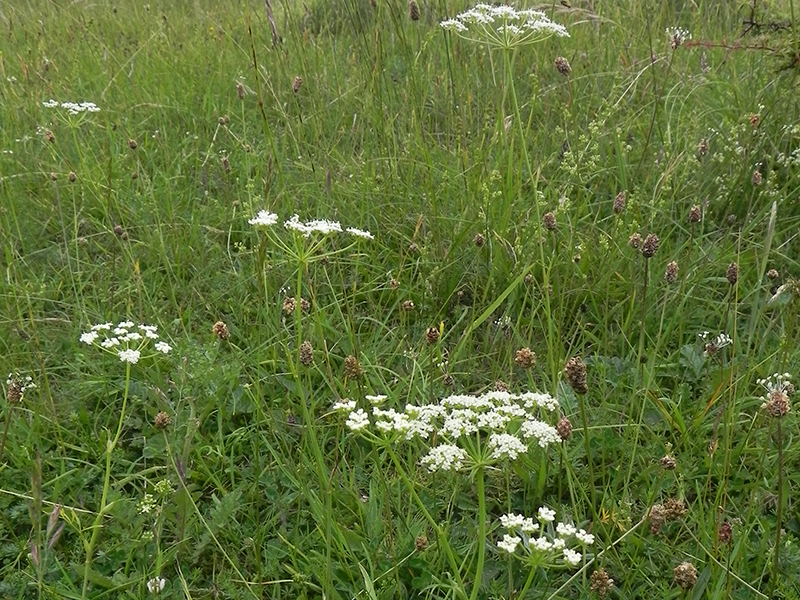
Over 2500 different species of higher plants (ie not mosses) have been noted since records began with the herbalists in the 16th century. They are all documented in the Flora of Sussex. Yet surprises still show up such as the Great Pignut, found recently near Edburton - a small umbellifer similar to Burnet Saxifrage and previously only known in the British Isles from a few sites in the Chilterns.
What would you like to see for the future of Sussex wildlife?
Preserving our natural environment and its biodiversity should be at the top of the political agenda. The study of our native flora and fauna dropped off the school curriculum years ago and so there is a general lack of knowledge and understanding of nature. Programmes such as Springwatch advance the cause but they can only do so much. Still too many people complain about ‘untidiness’ when verges are left unmown for a while, and there is too much ‘amenity grassland’ that could be managed better for biodiversity. Saving our environment is not just about planting trees.
Click here to find out more about the Sussex Botanical Recording Society
Comments
I am particularly interested in the coastal environment but in any natural place too. I worked in Horticulture for most of my life and have the Advanced RHS certificate. I now live in Worthing and would like to keep up my plant/species knowledge and do something useful and interesting.
29 Jul 2022 08:52:00
Hi
There are two big conifers (or cedar/pine trees) overhanging my back garden. I have been trying to find out if they are dangerous for my little dog but, sadly, I do not have enough knowledge to ascertain this. I am worried because a lot of small branches and needles fall into my garden and my previous dog died at a very young age due to kidney and liver issues, possibly caused by poisoning from something unknown.
Would it be possible for you to recommend where I could go for further guidance on what type of trees are those I have mentioned as I have some doubts as to the knowledge of local tree surgeons as compared with botanists.
Thank you for your time in reading this email. I do hope you can be of some help.
I live in Worthing and also can be contacted by mobile ‘phone (07970 273513) as well as email.
Kind regards
Patrick
06 Mar 2024 15:27:00