
How do feathers grow?

By Charlotte Owen
WildCall Officer
Feathers are made in feather follicles, just as hairs are made in hair follicles. Both feathers and hair are dead structures, so they cannot repair themselves and must be shed and replaced when damaged or worn out. This process is known as moult.
New feathers look quite different when they first start growing, emerging from the skin as spiny structures called pin feathers. Each new feather is enclosed in a shiny protective sheath, so it retains this spiny structure as it grows longer and the new feather barbs develop within it. Eventually the new feather unfurls, starting from the tip and gradually progressing down towards the base.
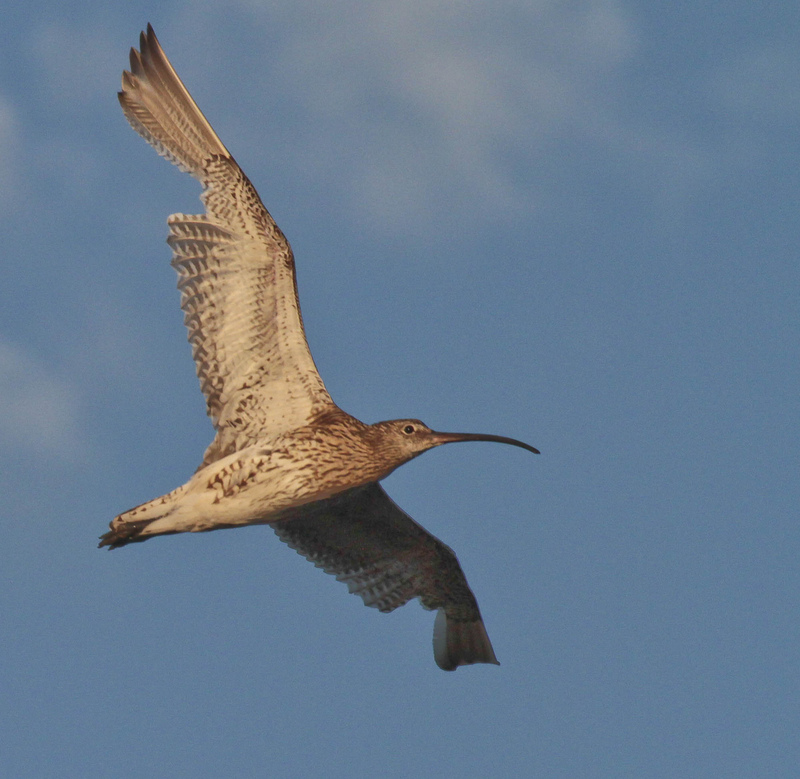
Most birds undergo a complete moult once a year. It’s often a gradual process, starting at a focus point on the wings or tail and progressing out from there in an orderly fashion. The two feathers closest to the starting point are the first to fall out, and when their replacements are roughly half-grown, the next feathers in line are shed, and this continues until moult reaches the end of the wing or tail. Robins, Blue Tits, Blackbirds and other garden birds undergo a late-summer moult, after the busy breeding season, and it takes about five weeks to complete. This means they can still fly during moult, though they might not be quite as swift as usual. Some species opt for a faster moult, especially migratory birds in a hurry to grow in their new plumage before an imminent departure date, and they may become briefly flightless as a result.
Ducks, geese and swans opt to lose all of their flight feathers at once. Being heavier birds with relatively short wings, they would be significantly impaired by the loss of one or two flight feathers, so it makes sense for them to shed them all in one go. This makes them very vulnerable but for a much shorter period.
What about baby birds?
Juveniles have to grow all their feathers at once, which is a much more intensive process than a gradual moult. It takes a huge amount of energy and this is one reason why they are always demanding so much food. Their feathers will grow faster if they’ve had more to eat and the variable growth rate results in alternating bands of dark and light on the finished feather, known as growth bars. Each pair of light and dark bands corresponds to a 24 hour period, and measuring the width of these bands can provide information about the baby bird’s daily nutritional intake – with better-fed birds having wider growth bars.
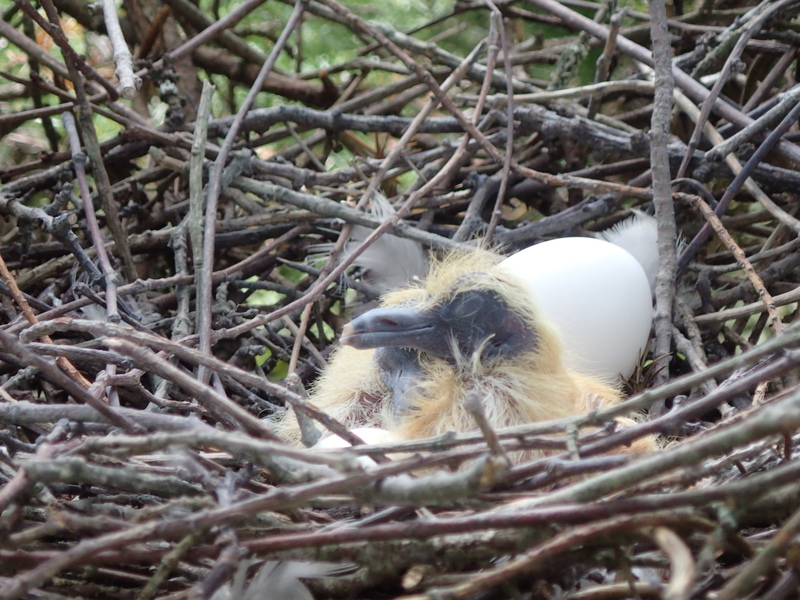
Juvenile feathers are softer and weaker than adult feathers, as a result of the rapid simultaneous growth, and they wear out more quickly. When juveniles moult into their adult plumage, they can do so gradually and so develop a stronger, sleeker adult plumage.
Most garden birds moult straight into their final adult plumage but others, like gulls, undergo several moults over several years before they attain their full adult plumage. This means it’s possible to age a bird based on its appearance, though it’s not always easy!